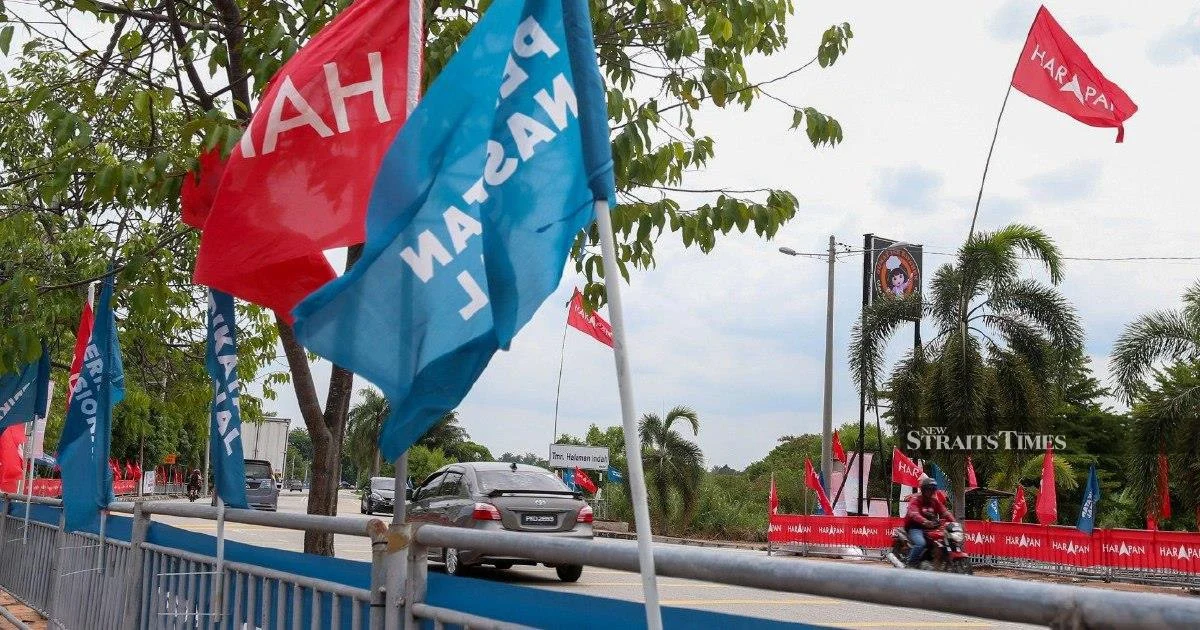
The 16th Johor state election enters its critical opening phase today as nomination day unfolds simultaneously across all 56 state constituencies, marking the formal beginning of what is shaping up to be a tightly contested electoral battle in one of Malaysia's most politically significant states. The day represents a pivotal moment when aspiring representatives must formally register their candidacies, a procedural requirement that transforms political maneuvering and backroom negotiations into official candidacies eligible for the ballot.
Johor has historically served as a bellwether for Malaysian politics, and the current election cycle carries particular weight given the state's economic significance and its role in the broader political landscape of the country. The 56 constituencies encompass a diverse geographical spread, from urban centers in Johor Baru to rural constituencies stretching across the state, each presenting distinct electoral dynamics and voter demographics that parties must carefully navigate. This geographic and demographic complexity means that national political trends often manifest differently across Johor's various constituencies, requiring campaigns to tailor messaging to local concerns rather than relying on uniform messaging.
The nomination process itself, though often overlooked by casual observers, serves as a crucial filtering mechanism within Malaysia's electoral system. Only those candidates whose nominations are accepted by the returning officers become officially eligible to contest, meaning that filing errors, administrative oversights, or incomplete documentation can disqualify would-be contenders before a single vote is cast. This procedural stage has historically witnessed last-minute drama, with candidates withdrawing due to internal party disputes or nomination rejections creating unexpected vacancies that force rapid recalibration of campaign strategies.
Party machines across the political spectrum have spent weeks preparing for this day, with internal party elections and selection processes often proving more contentious than the general election itself. For the ruling coalition and opposition parties alike, the choice of candidates reflects carefully calculated decisions about which constituencies are defensible, which are worth concerted effort to capture, and where resources should be concentrated for maximum electoral impact. In Johor specifically, where the Barisan Nasional has traditionally held significant sway, the competition for candidacies has likely been particularly fierce within party structures.
The implications for Malaysian politics extend beyond Johor's borders. State elections, particularly in economically important states, often serve as testing grounds for new political coalitions, campaign strategies, and messaging approaches that parties subsequently deploy in federal elections. The results and dynamics of this Johor contest will likely influence how both the ruling coalition and opposition parties position themselves ahead of future national electoral contests, making today's nomination day not merely a local administrative event but a moment with potential ramifications for Malaysian politics broadly.
Candidates will face varying paths depending on their party affiliations and electoral prospects. Those in safe seats may face relatively uncontested nomination processes, while candidates in marginal constituencies—those competitive battlegrounds that could swing either direction—will likely encounter more rigorous vetting from party leadership concerned about selecting the strongest possible representatives. This internal calculus often remains invisible to ordinary voters but fundamentally shapes which candidates ultimately appear on ballots and therefore which individuals voters will be able to choose between.
The geographic spread of the 56 constituencies means that election observers will need to track a complex landscape during the campaign period ahead. Urban constituencies in and around Johor Baru may be contested along different lines than rural constituencies, with urban voters potentially prioritizing development and service delivery issues while rural constituencies may focus more heavily on agricultural concerns, connectivity, and resource allocation. This heterogeneity makes aggregate polling difficult and creates multiple overlapping electoral battles within the single state election.
Historically, Johor elections have reflected shifting political coalitions at the national level, though the state has also demonstrated capacity for independent political dynamics. The current nomination day therefore occurs within a specific political moment when Malaysian politics is experiencing realignment and reorganization following recent shifts in national political leadership and coalition formations. These national-level dynamics will inevitably influence how parties campaign and which issues dominate discussion across Johor's constituencies.
For political analysts and observers, the nomination day submissions will provide the first concrete data point for assessing which parties are genuinely competitive in specific constituencies. Analysis of nomination patterns—whether parties have fielded candidates in traditionally hostile constituencies, which young or established figures have received nominations, whether there are signs of internal dissent through candidate selection decisions—will offer insights into strategic thinking and party confidence levels heading into the campaign period.
As candidates file their nominations throughout the day, the practical machinery of an election begins to grind forward. Returning officers across the state will process documentation, verify eligibility, and accept or reject nominations according to electoral law requirements. By day's end, the formal field of contenders will be established, transforming an electoral race that has so far existed largely in speculation, internal party politics, and media commentary into concrete reality with specific named individuals fighting for 56 contested seats.

