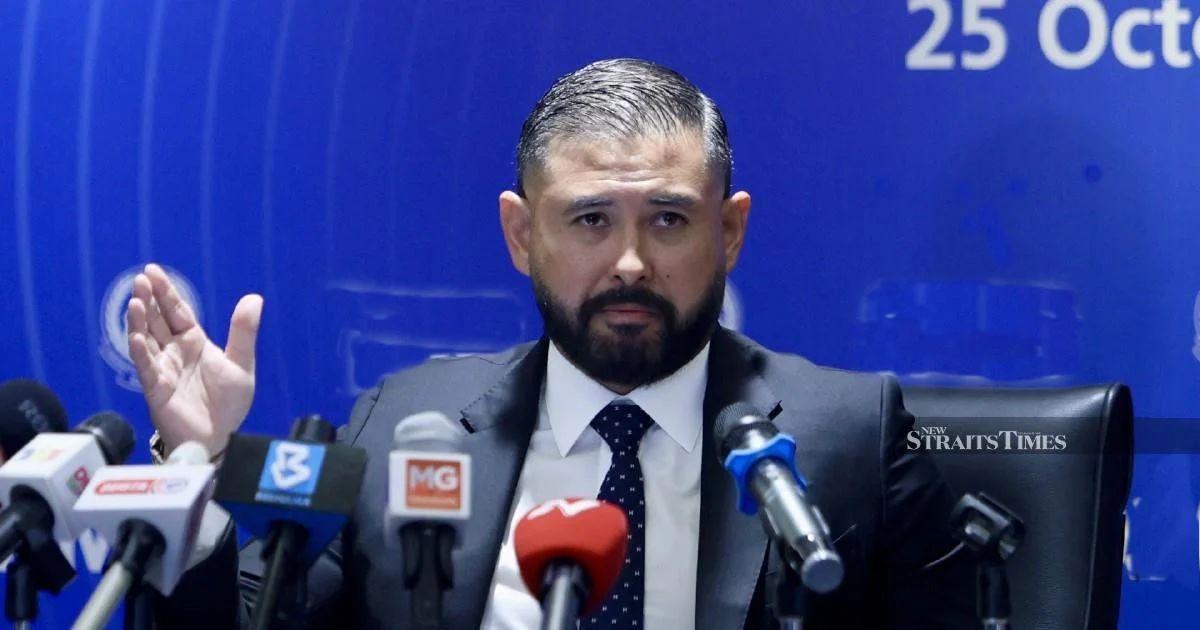
Johor's Regent Tunku Ismail Sultan Ibrahim has mounted a direct challenge to the federal government's narrative surrounding the state's financial health, rejecting characterisations that portray Johor as squandering its considerable wealth through systemic leakages. In remarks delivered in Johor Baru, the Regent reframed the conversation around state finances, contending that the core problem lies not with inefficiency at the state level but with how the federal government structures its revenue-sharing arrangements with the states.
The dispute emerged following recent statements from the Prime Minister describing Johor as a prosperous state hampered by substantial financial leaks. This framing has broader implications for how Malaysian policymakers and the public understand intergovernmental fiscal relations. The Regent's intervention signals that Johor's leadership views the federal characterisation as both factually misleading and politically motivated, seeking to deflect responsibility for addressing regional economic disparities.
Tunku Ismail Sultan Ibrahim's position reflects a longstanding tension between state and federal governments over resource distribution in Malaysia's federal system. Johor, as one of the country's most economically significant states with diversified revenue sources including port operations, manufacturing, and trade, has consistently advocated for greater control over its fiscal resources. The Regent's remarks suggest frustration with a federal framework that, in Johor's view, systematically extracts state revenues without proportionate reinvestment in state development.
The concept of revenue "leakage" in Malaysian governance discourse typically refers to funds that fail to reach their intended public purposes—whether through corruption, inefficiency, or administrative failure. By rejecting this characterisation, the Regent is essentially arguing that Johor's financial challenges stem from structural design rather than operational failure. This distinction matters significantly for policy solutions: identifying a problem as systemic versus localised demands entirely different remedies.
From a Malaysian federalism perspective, this dispute highlights the vulnerability of state governments operating within a system where federal revenue controls are extensive. Unlike in some federal systems where states retain broader taxing powers or receive unconditional grants, Malaysia's states depend heavily on federal allocations and revenue-sharing arrangements negotiated at the national level. Johor's assertiveness in publicly challenging federal narratives reflects its relative economic strength and political confidence, positioning it differently from smaller or less economically developed states that may lack similar leverage.
The timing of this exchange carries political weight. Malaysia's complex political landscape, where state-level governance has increasingly diverged from federal control, means that disputes over fiscal federalism often carry partisan implications. How resources flow between federal and state levels influences the capacity of state governments to deliver services and generate economic growth, directly affecting their political legitimacy and electoral prospects.
For Southeast Asian observers, Malaysia's ongoing federalism debates offer insights into how developing democracies manage tensions between centralised and devolved governance. The Johor case demonstrates that even prosperous, well-managed states may struggle within federal structures that concentrate power and resources at the centre. This dynamic increasingly shapes state politics across Malaysia, influencing investment decisions, infrastructure planning, and inter-regional economic competition.
The Regent's emphasis on the federal role in constraining state finances also reflects broader concerns about national equity. If Johor—one of Malaysia's economic engines—experiences revenue constraints due to federal retention policies, the implications for less developed states are substantial. This intersects with Malaysia's ongoing challenges around regional inequality and uneven development, issues that policymakers across Southeast Asia confront.
The dispute underscores a fundamental question about Malaysia's fiscal federalism: whether the current revenue-sharing model optimally allocates resources to serve national development objectives while respecting state autonomy. The federal government's apparent focus on identifying inefficiencies at the state level, as reflected in the leakage narrative, potentially obscures the institutional architecture that shapes state financial capacity. The Regent's counter-narrative demands consideration of how federal policies themselves might constrain state performance.
Moving forward, this exchange suggests that Malaysia may need to revisit how it conceptualises and measures state financial health. Simply identifying leakages without examining the structural factors limiting state revenue retention risks perpetuating misunderstanding about governance effectiveness at different levels. The Regent's intervention, while pointed in its criticism, invites more sophisticated analysis of Malaysian federalism's capacity to balance central coordination with state-level prosperity.
Johor's assertive stance also reflects confidence in its economic fundamentals and strategic importance, allowing state leaders to engage in public disputes with federal authorities that smaller states might avoid. This power differential itself raises questions about whether Malaysia's federal system adequately addresses the varied capacities and circumstances of different states, an issue increasingly salient across Southeast Asia's democracies as regions demand greater autonomy over development priorities aligned with local conditions.

