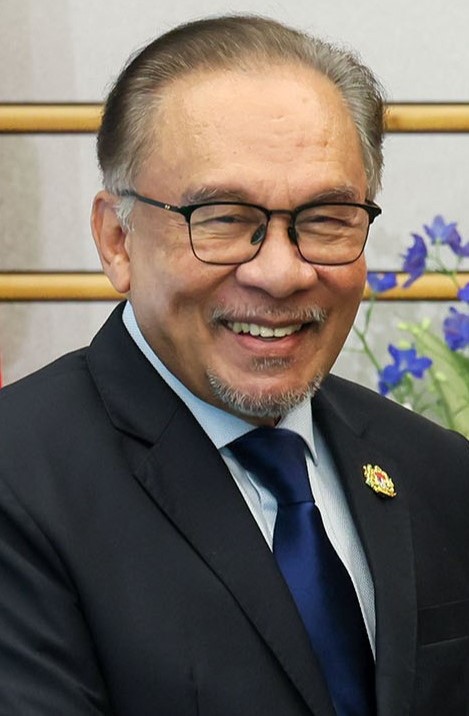
Malaysia's music industry stands at a critical juncture as the Malaysian Artistes' Association (Karyawan) prepares to escalate sector-wide concerns directly to the nation's highest political office. Following a major industry convention scheduled for Sunday, June 21 at Saloma Restaurant in Kuala Lumpur, the organisation will draft comprehensive resolutions for submission to the Prime Minister, signalling growing frustration with unresolved structural problems that have plagued the creative sector for decades.
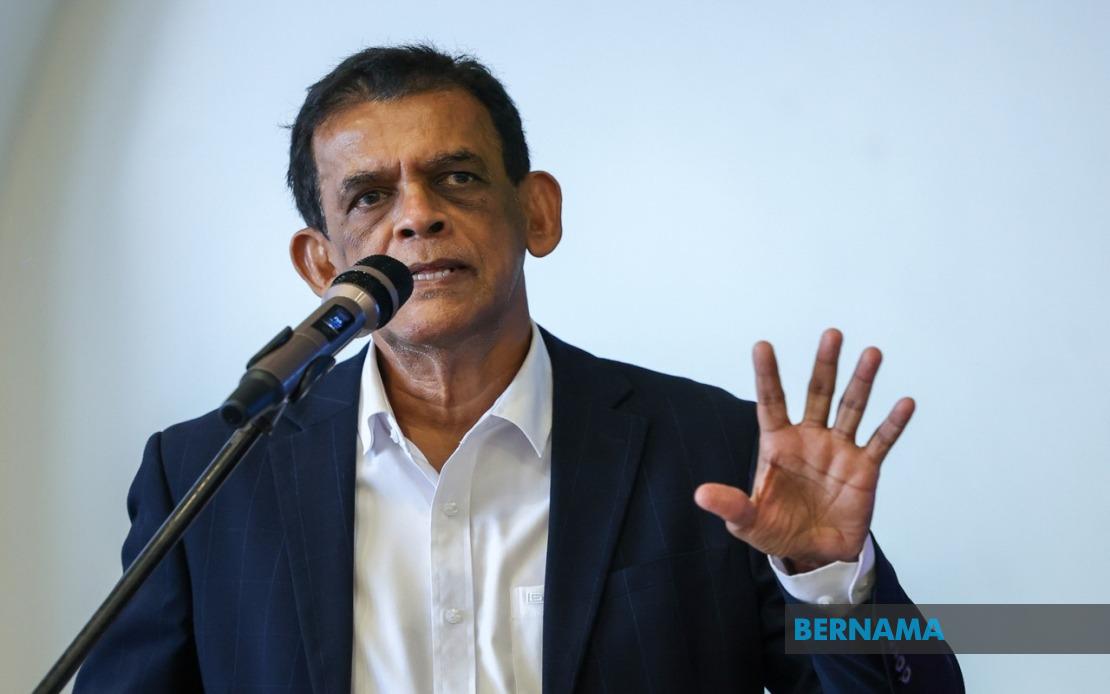
Karyawan president Datuk Freddie Fernandez outlined an ambitious agenda at a press conference, positioning the convention as more than a networking event. The gathering, expected to attract over 200 music professionals ranging from recording artists to session musicians and composers, will serve as a mandate-gathering exercise. Rather than relying on anecdotal evidence or limited consultation, Karyawan is creating space for practitioners across all segments of the industry to voice grievances, propose solutions, and collectively shape policy recommendations. Fernandez emphasised that the resulting memorandum will reflect the genuine concerns of Malaysia's creative workforce, lending substantial political weight to their advocacy.
Among the most pressing issues demanding attention is the controversial royalty distribution system, which has created a chasm between money collected and money disbursed to artists. Fernandez presented stark figures that underscore decades of apparent misalignment: between 2002 and 2017, record companies collected nearly RM700 million in royalties, yet only approximately RM20 million reached artistes' bodies. This dramatic disparity—less than 3 per cent of collections flowing back to creators—represents a systemic failure that has quietly undermined artist incomes and sustainability. The convention will provide an opportunity to scrutinise how these funds move through the collection system, identify where revenue leaks occur, and propose legislative or regulatory reforms to ensure equitable compensation reaches musicians whose work generates these revenues.
The rapid advancement of artificial intelligence technology presents an entirely new challenge requiring urgent policy dialogue. Rather than imposing restrictions reactively, Karyawan recognises that AI development must proceed alongside careful consideration of musicians' rights and livelihoods. The convention will facilitate discussions between technology advocates, legal experts, and creative professionals to establish balanced guidelines protecting artistic interests while allowing innovation. Malaysia cannot afford to be either a laggard resisting necessary technological evolution or a testing ground for unregulated AI applications that displace musicians. The memorandum will likely propose a deliberative framework for AI governance within the music sector.
Career pathway development emerged as another cornerstone issue. Fernandez acknowledged that Malaysia's music education system, while producing talented individuals, often fails to connect training with viable career opportunities. Young musicians completing formal education frequently encounter an unstructured, opaque industry where success depends on personal connections rather than clear progression routes. By formalising education standards, creating mentorship programmes, and establishing transparent entry points into professional roles, the industry could retain domestic talent and prevent brain drain of skilled performers seeking better-organised opportunities abroad. This structural improvement would ultimately strengthen Malaysia's cultural industries globally.
Fernandez reflected candidly on two decades of observation within the music sector, noting patterns of stagnation and concerning developments that demand urgent correction. His willingness to acknowledge these problems publicly signals that industry leaders recognise maintaining the status quo is untenable. Rather than hoping for incremental improvements, Karyawan is pursuing a comprehensive reset of how Malaysia's music sector operates, from funding mechanisms to professional standards to technological adaptation. This forward-looking approach contrasts with defensive posturing, positioning musicians as essential contributors to Malaysia's creative economy rather than relics of an earlier era.
The convention's panel composition reflects this comprehensive approach. Discussions will include music activist Joe Lee, who brings grassroots advocacy experience; Dr Moja Salim, whose academic credentials lend intellectual rigour; and Para Rajagopal, Live Nation's managing director, representing international industry standards and practices. This diversity ensures recommendations emerge from multiple perspectives rather than narrow special interests. International benchmark comparisons may reveal how other countries structure royalty systems, regulate emerging technologies, and develop creative talent—providing evidence-based alternatives to Malaysia's current arrangements.
Timing the convention and subsequent memorandum submission for early July allows the initiative to capitalise on political attention while the industry's concerns remain fresh and prioritised. Karyawan's decision to target the Prime Minister directly, rather than working through ministerial channels, suggests the organisation views these issues as matters requiring executive-level commitment and potential cabinet-level coordination across multiple portfolios including culture, communications, labour, and education.
For Malaysian musicians, this convention represents a rare opportunity for collective voice amplification. Rather than individual artists navigating challenges independently, the sector is consolidating its agenda and presenting unified demands to government. Whether spanning session musicians struggling with irregular income, composers concerned about AI-generated music undercutting their work, or young graduates seeking structured career pathways, the convention creates space to articulate shared interests requiring systemic solutions rather than individual initiative. The memorandum's credibility will depend partly on how authentically it captures grassroots practitioner perspectives rather than leadership preferences.
The broader Malaysian context matters significantly. As Southeast Asia's creative economies compete for regional and global talent, Malaysia risks losing musicians to Singapore's better-funded cultural institutions or Bangkok's more dynamic independent music scenes if the sector remains structurally uncompetitive. Government investment in creative industries increasingly drives regional comparative advantage. By presenting a comprehensive modernisation agenda, Karyawan appeals to policymakers' recognition that supporting music practitioners strengthens national soft power and cultural export potential while creating sustainable livelihoods for creative professionals.