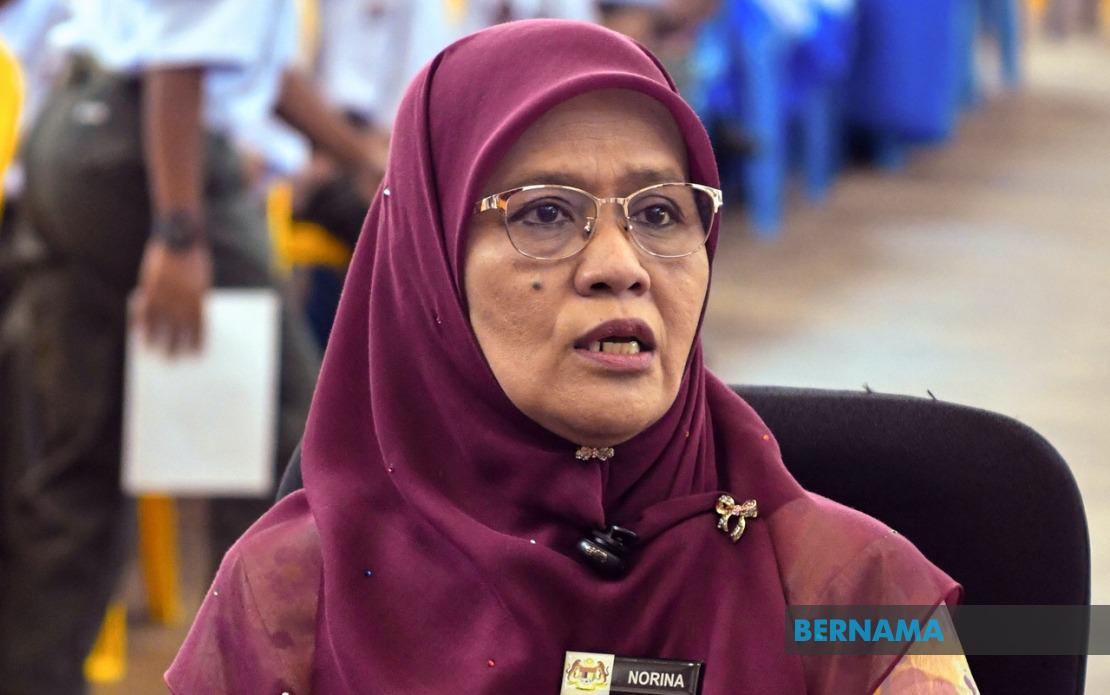
The Kelantan State Education Department has drawn a clear line between harmless humour and harmful behaviour, cautioning school administrators and students that jokes leading to physical injury constitute bullying. Speaking at the closing ceremony of the Hibiscus Student Safety Campaign in Pasir Puteh, Director Siti Norina Muhamad stressed that while joking is common in school environments, the consequences of taking such behaviour too far can be severe and warrant serious intervention.
Siti Norina's intervention reflects growing concern among Malaysian educators about the fine line between typical adolescent horseplay and conduct that causes actual harm. In many school settings, aggressive pranks are often dismissed as youthful mischief rather than recognised as bullying when they result in student injury. By formally categorising such actions as bullying, the Kelantan education authority is attempting to shift institutional and cultural attitudes toward accountability. This distinction matters because it signals to schools, parents, and students themselves that the threshold for intervention should be lowered when physical harm results, regardless of the perpetrator's stated intent.
The campaign, which brought together over 500 students from seven secondary schools across the Pasir Puteh district, underscores the priority that education authorities are placing on comprehensive safety frameworks. Rather than treating safety as a peripheral concern, the Kelantan JPN is positioning it as a core educational responsibility that extends well beyond preventing violence. The involvement of multiple schools in a coordinated campaign suggests recognition that safety challenges are systemic and require collective action rather than isolated school-by-school responses.
Siti Norina expanded the definition of school safety far beyond physical security, identifying emotional, mental, social, and digital well-being as equally critical dimensions. This holistic approach acknowledges the reality that today's students navigate multiple threat vectors simultaneously. Physical injuries sustained through rough play represent only one manifestation of harm; the psychological impact of humiliation, social exclusion, or public ridicule through in-person mockery or online sharing can be equally damaging and longer-lasting.
The education director specifically highlighted the contemporary challenges facing Malaysian students, including cyberbullying, substance abuse, sexual violence, misinformation, and social media misuse. These are not abstract concerns but concrete problems that schools across Malaysia—and indeed the broader Southeast Asian region—encounter regularly. The amplification of bullying through digital platforms means that harmful behaviour no longer remains confined to school grounds or limited to the immediate peer group; a single incident can be recorded, shared, and used to humiliate a student across wide networks. Cyberbullying also creates persistent records that traditional in-person bullying does not, potentially extending the duration and severity of psychological harm.
The emphasis on student safety as a non-negotiable principle represents a departure from older educational philosophies that viewed toughness and resilience through hardship as character-building necessities. Contemporary evidence from Malaysia and internationally demonstrates that unsafe school environments undermine academic performance, mental health, and long-term well-being. When students fear physical or social harm, their capacity to learn, concentrate, and participate in school life diminishes significantly. This creates downstream effects affecting educational outcomes and contributing to dropout rates.
Siti Norina stressed that safety awareness and sound decision-making have become essential competencies that modern students must develop. This framing positions safety not as something schools impose through rules and surveillance, but as a skill set that students actively cultivate. Teaching students to recognise dangerous situations, understand the consequences of their actions, and make choices that protect themselves and others aligns with broader educational goals around critical thinking and responsible citizenship. When safety literacy becomes embedded in the curriculum and school culture, it creates sustainable change rather than relying solely on enforcement.
The Kelantan JPN director emphasised that addressing student safety requires participation from government bodies, private companies, NGOs, and community organisations. This multi-stakeholder approach reflects the understanding that schools alone cannot solve these problems. Effective safety frameworks require coordinated effort across institutions and sectors. Corporations can contribute resources and expertise through corporate social responsibility programmes, NGOs can provide specialist services in areas like trauma counselling or anti-bullying training, and community organisations can mobilise parents and local leaders. Government agencies provide policy direction and regulatory oversight.
HSSE Hibiscus Malaysia's participation through the student safety campaign exemplifies this collaborative model. By positioning safety culture development as a corporate responsibility that begins in schools rather than only in workplaces, the company signals recognition that early intervention is more effective and cost-efficient than attempting to remediate damage in adult workers. This approach also builds brand reputation and goodwill while genuinely contributing to community welfare. The corporate sector's involvement ensures that campaigns receive adequate funding, professional expertise, and sustained commitment beyond what schools could achieve independently.
For Malaysian parents and educators, the Kelantan JPN's statement provides valuable framework for distinguishing between acceptable peer interaction and harmful conduct. It empowers school leaders to take action against pranks that cause injury, even when students claim no malicious intent. It also sends a message to young people that they bear responsibility for the consequences of their actions, not just their intentions. As Malaysia continues developing its education system and refining its approach to student welfare, clarity on these boundaries becomes increasingly important for creating safe, inclusive learning environments.

