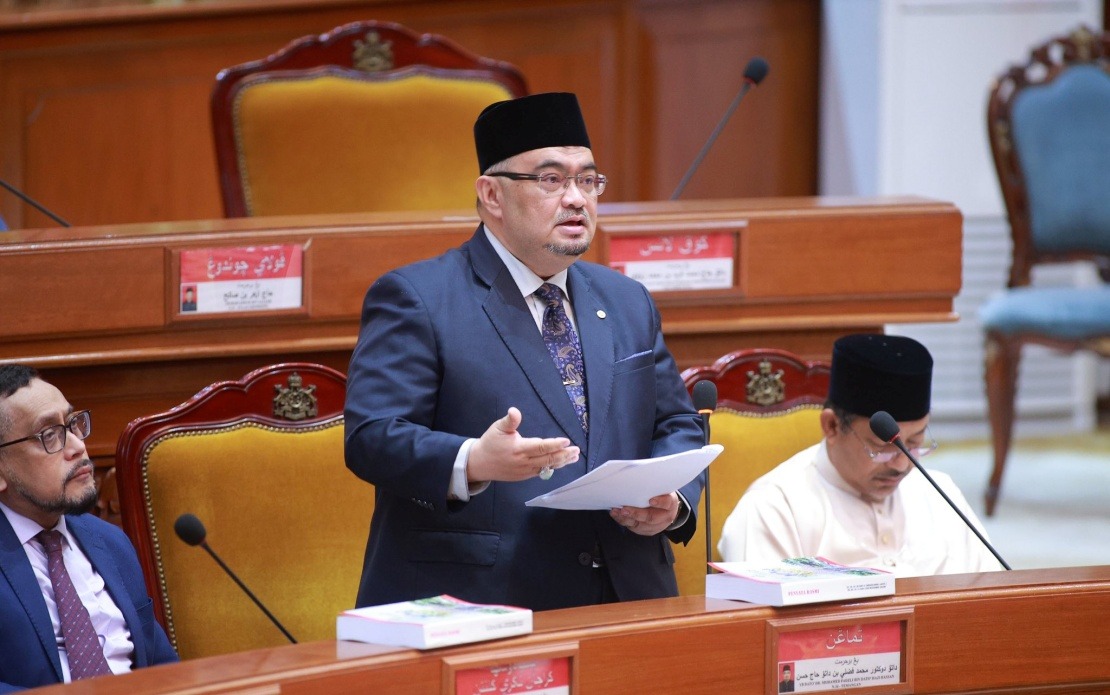
Kelantan's state government has intensified its crackdown on illegal mining and land encroachment, opening 63 investigation papers as part of a broader enforcement campaign across the state. The action represents a significant escalation in efforts to combat these activities, which have long plagued several districts and threatened both environmental integrity and state revenue. Deputy Menteri Besar Datuk Dr Mohamed Fadzli Hassan revealed these figures during a sitting of the Kelantan State Legislative Assembly in Kota Bharu, signalling the state's determination to address what many view as an increasingly organised problem requiring coordinated action at multiple governmental levels.
The investigation papers emerged from 77 separate enforcement operations conducted between 2025 and June of this year, concentrated in four identified hotspots: Gua Musang, Kuala Krai, Jeli, and Tanah Merah districts. These areas have historically been susceptible to illegal mining activities due to their geology and relative remoteness, factors that make them attractive to operators seeking to avoid detection. The concentration of operations in these four districts suggests authorities have mapped out priority zones and are deploying resources strategically rather than conducting scattered patrols. Each investigation paper subsequently forwarded to the Prosecution Unit of the Kelantan Land and Mines Office represents a formal step toward potential prosecution, meaning the enforcement phase has now transitioned to the legal accountability stage.
Beyond opening cases, authorities have made substantial headway in dismantling the operational capacity of illegal mining networks. Enforcement teams seized a total of 65 excavators with an estimated combined value of RM15.8 million—a significant material loss that disrupts the logistics and profitability of illicit extraction operations. Heavy machinery constitutes the backbone of any mining enterprise, legal or otherwise, and removing such equipment imposes genuine constraints on those seeking to resume activities. The seizures underscore that the enforcement response extends beyond paperwork; it involves tangible consequences that affect the viability of illegal operations. This approach targets not merely individual incidents but the economic sustainability of the broader system of encroachment and unauthorised extraction.
When pressed by state assemblyman Datuk Mohd Syahbuddin Hashim on whether investigations would probe the networks behind these operations—including middlemen, masterminds, and those potentially providing protection—Mohamed Fadzli confirmed that authorities would pursue such lines of inquiry. He acknowledged that successful large-scale illegal mining typically requires complicity or negligence from multiple actors across different positions in a supply chain. The deputy menteri besar indicated that once authorities establish the illegality of an operation, they lodge police reports and commence formal investigations. He noted that the state maintains knowledge of land ownership, providing a foundation for identifying who may be benefiting from unauthorised extraction occurring on or through their properties.
The state government has also signalled intent to strengthen the penalty framework, particularly for repeat offences. Mohamed Fadzli stated that discussions are underway between relevant authorities and the Prosecution Unit to review and enhance penalties, aiming to impose stricter consequences on those who persist in illegal mining despite previous enforcement action. This signals recognition that current deterrent mechanisms may be insufficient to prevent recidivism among operators calculating the cost-benefit ratio of continued illegal activity. Stiffer penalties, especially escalating sanctions for repeat violations, could reshape those calculations and make compliance more economically rational than evasion.
The sustained enforcement campaign reflects broader concerns about illegal mining's impact across Malaysia's resource-rich states. Kelantan, with its geology and historically limited mineral regulation capacity, has become a particular focus of such activities. The environmental consequences extend beyond immediate site degradation—illegal extraction disrupts water tables, destroys vegetation, and creates unstable terrain. Communities neighbouring these operations face dust pollution, noise, and contamination risks that remain largely uncompensated. From an economic standpoint, illegal mining represents a loss of tax revenue and royalties that would otherwise fund state development projects and services.
The opening of 63 investigation papers within a six-month window demonstrates that Kelantan's enforcement agencies possess both manpower and technical capacity to detect and respond to violations. The identification of four specific hotspot districts indicates intelligence-led policing rather than reactive responses. This targeted approach is more efficient than generalised patrols and suggests coordination between the Land and Mines Office, enforcement agencies, and potentially other bodies holding relevant information. However, the scale of the problem—with 77 operations yielding 63 papers—suggests considerable ongoing activity escaping detection or intervention.
For Malaysian states grappling with similar challenges, Kelantan's enforcement strategy offers both a model and a cautionary tale. The model demonstrates that coordinated operations, equipment seizures, and prosecution referrals can achieve measurable results. The cautionary element lies in recognising that even intensive campaigns leave substantial illegal mining continuing, suggesting the problem's structural dimensions—including corruption, inadequate penalties, and strong economic incentives—require more comprehensive solutions than enforcement alone. Regional collaboration among Peninsular states facing similar pressures could strengthen information-sharing and coordinated operations spanning jurisdictional boundaries that individual illegal operators might otherwise exploit.
The involvement of cross-district operations indicates that some illegal mining networks span multiple local areas, potentially coordinating extraction activity across broader regions. This organisational sophistication complicates enforcement and suggests that dismantling such operations requires sustained investigation rather than one-off raids. The investigation papers now in prosecution hands will test the state's ability to build cases that withstand legal scrutiny and secure convictions, a process that often requires substantial evidentiary work and court time. Success in prosecution will depend not only on initial field enforcement but on how thoroughly investigators have documented evidence, chain of custody, and technical proof of illegal activity.
Moving forward, Kelantan faces the challenge of converting enforcement activity into genuine deterrence and sustained compliance. This requires not only apprehending operators but building public understanding that illegal mining carries genuine risk, whether through criminal conviction, asset seizure, or environmental restoration liability. It also demands that legitimate mining operators maintain confidence that enforcement is impartial and that competitors are held to the same standards, preventing a competitive disadvantage for those operating legally. The state's stated commitment to reviewing penalties suggests awareness that the current framework may inadequately account for the profits available from illegal operations, a gap that bolder enforcement must help close.

