%22%2F%3E%3C%2Fpattern%3E%3C%2Fdefs%3E%3Crect%20width%3D%22100%25%22%20height%3D%22100%25%22%20fill%3D%22url(%23ph5ujheg)%22%2F%3E%3Crect%20width%3D%22100%25%22%20height%3D%22100%25%22%20fill%3D%22url(%23ph5ujhep)%22%2F%3E%3Ctext%20x%3D%2250%25%22%20y%3D%2250%25%22%20text-anchor%3D%22middle%22%20dominant-baseline%3D%22central%22%20fill%3D%22rgba(255%2C255%2C255%2C0.95)%22%20font-family%3D%22Georgia%2C%20'Times%20New%20Roman'%2C%20serif%22%20font-weight%3D%22700%22%20font-size%3D%22170%22%20letter-spacing%3D%22-0.02em%22%3EKelantan%3C%2Ftext%3E%3C%2Fsvg%3E)
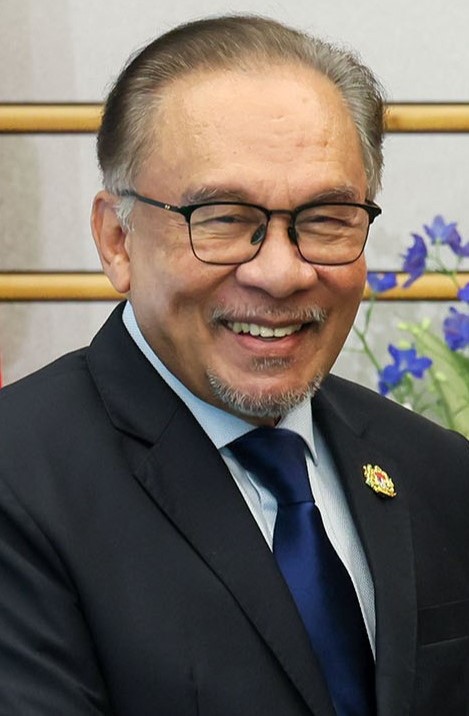
The Regent of Kelantan, Tengku Muhammad Fakhry Petra, granted an official audience to Minister of Communications Datuk Fahmi Fadzil at Kota Lama Palace in Kota Bharu yesterday, marking a significant engagement between the state's leadership and the federal communications portfolio. The formal meeting, which commenced at 5 pm and extended for approximately one hour, represented a structured dialogue aimed at addressing contemporary challenges in Malaysia's digital information ecosystem.
According to a statement issued by the Kelantan Sultan's Media Office, the primary purpose of the audience was to provide the Regent with comprehensive updates regarding the Ministry of Communications' operational scope and recent developments. This briefing format underscores the formal nature of engagement between state rulers and federal ministers on matters of national significance, particularly those affecting Malaysia's digital governance landscape.
The centrepiece of the discussion concerned the escalating problem of fraudulent social media accounts and the dissemination of false information through digital platforms. This issue has become increasingly pressing across Southeast Asia as social media usage continues to expand, with Malaysia experiencing particular challenges regarding the authenticity and reliability of online content. The proliferation of such accounts threatens to undermine public trust in digital communication channels while simultaneously creating vulnerability to coordinated disinformation campaigns.
A particularly sensitive dimension of the discussion involved content targeting Malaysia's Royal Institution. False news and negative material directed at the monarchy has emerged as a concern for authorities seeking to maintain institutional dignity and public respect. The elevation of this topic to the level of a Regent's audience reflects official recognition that such misinformation poses risks beyond mere social friction, touching upon constitutional and ceremonial foundations that Malaysians hold dear.
The strategic timing of this engagement aligns with broader regional and global conversations about digital governance and platform accountability. As Malaysia navigates its position as a digitally advanced Southeast Asian nation, the challenge of balancing open online discourse with protection against coordinated falsehood remains unresolved. The Communications Ministry's direct engagement with Kelantan's leadership suggests an attempt to build consensus among stakeholders regarding appropriate responses to these challenges.
Fahmi's delegation comprised Senior Private Secretary MohamadAsif Afifi Mohd Yusof and Minister's accompanying officer Tuan Ahmad Afifi Hamdan Tuan Aziz, alongside supporting staff from the ministry's office. This composition reflected the formal administrative protocols governing such high-level meetings, with each attendee representing specific functions within the ministerial apparatus.
The Kelantan Sultan's Office sent senior representatives to participate in the proceedings, indicating institutional importance attributed to the engagement on the state level. Such attendance patterns reveal how issues of national digital policy increasingly intersect with state-level governance concerns, particularly where matters affect traditional institutions and public perception of authority structures.
As a gesture of respect and goodwill, Fahmi presented a memento to the Regent, a customary practice in Malaysian diplomatic protocol that acknowledges the significance of the meeting while reinforcing the positive relationship between federal and state leadership. These symbolic gestures, though seemingly ceremonial, carry weight in Malaysian political culture where proper respect to constitutional monarchies remains integral to governance legitimacy.
The proceedings concluded with informal elements that allowed for personal connection beyond the structured briefing format. A friendly meet-and-greet session and group photography provided opportunities for more relaxed interaction between ministerial staff and palace officials, humanising relationships that exist primarily within formal administrative frameworks. These moments often prove valuable for building understanding and rapport that facilitates future collaboration on policy implementation.
For Malaysia's broader digital governance agenda, this audience carries implications beyond Kelantan's borders. State rulers exercise considerable cultural and moral influence across their respective populations, and their engagement with federal communications policy signals institutional recognition of digital challenges affecting all Malaysians. The Regent's willingness to convene and engage substantively on these matters suggests receptiveness to coordinated action against misinformation at the highest levels of state administration.
The focus on fake accounts reflects growing sophistication in how Malaysian authorities conceptualise digital threats. Rather than viewing misinformation as merely content-based concerns, the emphasis on fraudulent accounts acknowledges that systematic falsehood frequently relies on coordinated networks of inauthentic profiles. Addressing this phenomenon requires technical capabilities, legislative frameworks, and institutional cooperation that extend beyond any single ministry's purview.
The prominence given to content targeting the Royal Institution during discussions with a state Regent underscores how digital misinformation intersects with Malaysia's constitutional settlement. Protecting institutional reputation through addressing false online content sits at the intersection of free expression values and national stability concerns, making such discussions inherently sensitive and requiring high-level political engagement.
Moving forward, this engagement may presage more coordinated federal-state approaches to digital governance challenges. As Kelantan and other states grapple with misinformation affecting their populations, structured dialogue with the Communications Ministry offers opportunities for sharing best practices, coordinating enforcement of relevant regulations, and mobilising community education initiatives. The audience thus represents not merely a single meeting but potentially a catalyst for broader institutional responses to Malaysia's evolving digital challenges.