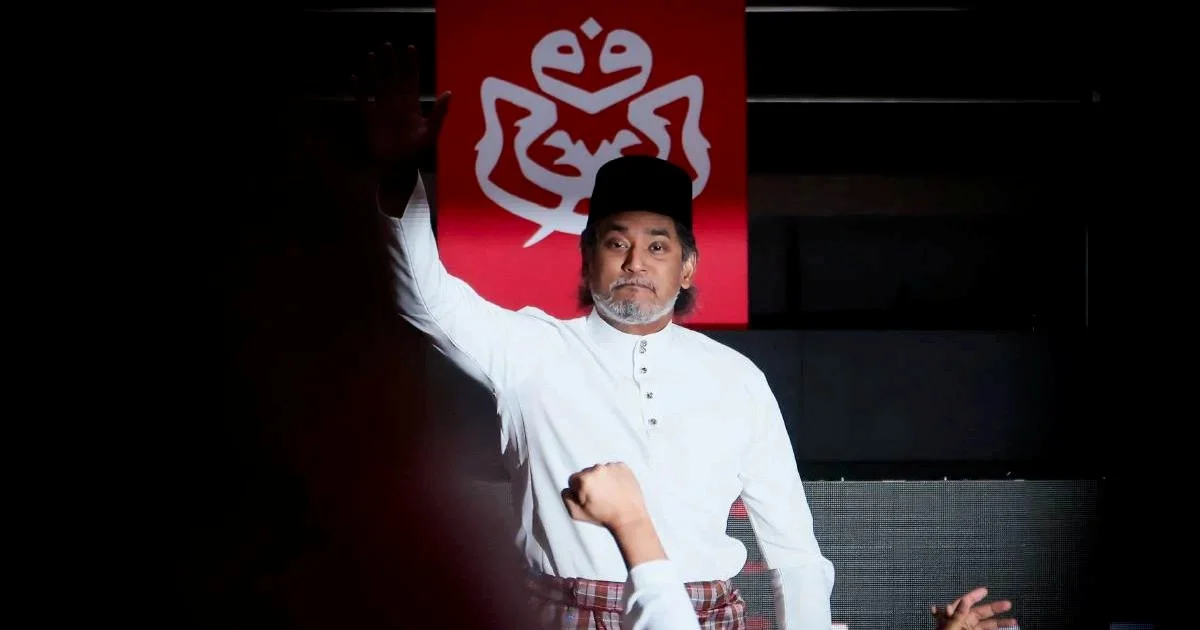
Khairy Jamaluddin, who previously represented Rembau in parliament, has elected not to independently decide whether he will contest in the upcoming Negri Sembilan state election on August 1, instead entrusting the party hierarchy with the final determination. The move reflects a deliberate step back from the kind of unilateral candidate announcements that have occasionally created friction within Umno's ranks during previous electoral cycles.
This decision represents a departure from the more proactive stances sometimes adopted by senior party figures in the lead-up to elections. By explicitly deferring to the party apparatus, Khairy appears to be signalling his willingness to work within Umno's established decision-making structures rather than positioning himself ahead of formal party deliberations. The approach carries significance for how internal party dynamics may unfold in the coming weeks as Umno calculates its electoral strategy for the Negri Sembilan contest.
The August 1 state election in Negri Sembilan represents a key electoral test for Umno in the state, where the party has historically held considerable influence but has faced competitive pressure in recent years. Any candidacy decisions made by the party leadership will likely factor in not only individual standing but also broader considerations about optimal candidate placement and geographic representation across the state's constituencies.
Khairy's background as Rembau MP gives him established political credentials and a track record of legislative engagement. However, his decision to allow the party to chart his electoral course suggests a preference for operating within collaborative frameworks rather than asserting independent candidacies. This posture may be intended to demonstrate loyalty during a period when Umno seeks to project unity heading into state-level contests.
The timing of this announcement comes as political parties across Malaysia are actively preparing their candidate slates for upcoming elections. For Umno specifically, managing the expectations and positioning of experienced former parliamentarians like Khairy requires careful coordination to ensure party members feel equally valued and that electoral resources are deployed strategically.
Umno's leadership will now weigh multiple factors in considering whether Khairy should contest in Negri Sembilan. These considerations typically include recent polling data, demographic shifts within constituencies, the strength of competing parties in the state, and the broader party strength allocations across Umno's different wings and factional interests. The party's decision-making process in such matters often unfolds through consultations between senior figures rather than through public announcements.
For Malaysian voters watching Umno's preparations, this development underscores how Malaysian political parties continue to manage candidate selection through hierarchical decision-making structures. Unlike systems where candidates emerge through primary elections or open campaigns, Umno's approach centralizes such determinations within party leadership councils, a practice that maintains party discipline but sometimes attracts criticism from observers advocating for more transparent selection mechanisms.
The Negri Sembilan state election itself carries implications for federal political dynamics. As a state where Umno maintains traditional strongholds, the results will provide indicators of the party's support among its core constituencies and whether it can retain ground against opposition coalitions. Should Khairy indeed contest, his campaign performance and vote margins could offer insights into broader voter sentiment regarding different wings and representatives within Umno's organizational structure.
For the broader Southeast Asian region watching Malaysian politics, the management of veteran politicians' candidacies through internal party mechanisms reflects patterns seen across the region where political parties jealously guard their selection processes. Khairy's deference to Umno leadership may also be interpreted as a pragmatic calculation about his political future within the party hierarchy, particularly if the leadership's choice enhances his position or safeguards his standing for future opportunities.
Umno's forthcoming decision on the Negri Sembilan candidacy question will likely be communicated through official party channels in the coming weeks. The decision will affect not only Khairy's personal electoral prospects but could also influence how other senior party figures position themselves regarding their own candidacies for the August 1 election. Party coordinators will need to balance experienced candidates' aspirations with requirements to field competitive teams across multiple constituencies.

