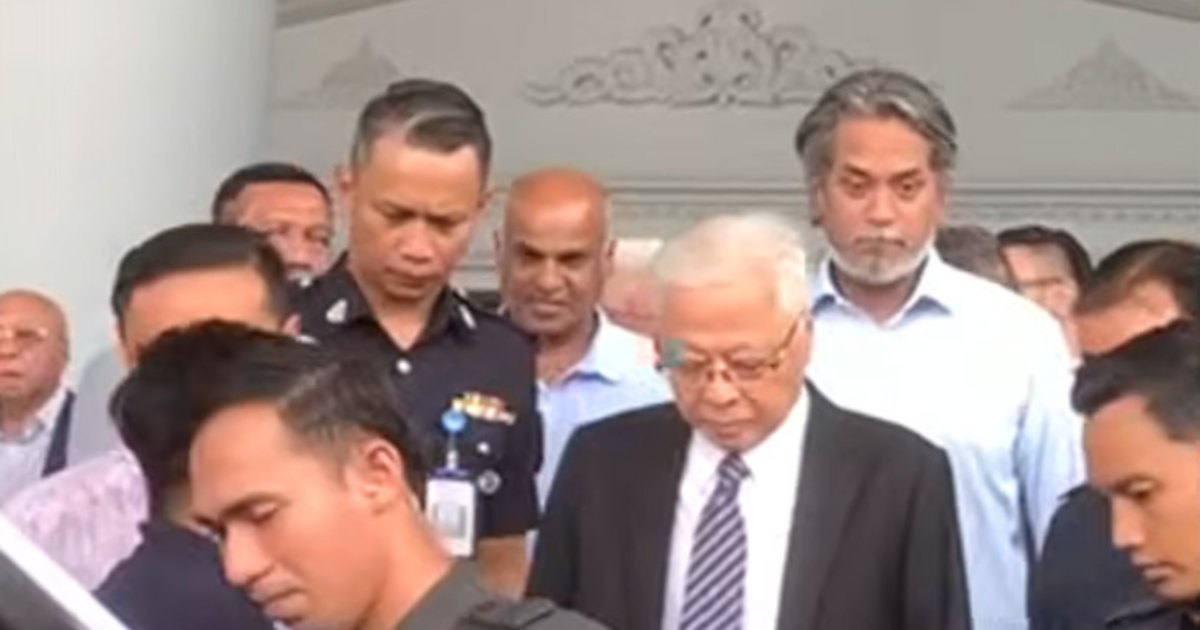
Former Umno Youth chief Khairy Jamaluddin's attendance at the charge proceedings involving former prime minister Datuk Seri Ismail Sabri Yaakob at the Kuala Lumpur Court Complex generated considerable buzz among court observers and political watchers on Tuesday, underscoring the delicate positioning of senior party figures during an embarrassing moment for the coalition.
The former politician's decision to publicly stand alongside Ismail Sabri—who faced legal proceedings—represented a carefully choreographed demonstration of party solidarity at a time when Umno's internal cohesion faces persistent scrutiny. Such gestures carry significant weight in Malaysian politics, where visible expressions of support or distance carry meaning beyond the immediate courtroom drama.
Ismail Sabri's legal troubles have created an uncomfortable situation for Umno's current leadership, forcing party figures to navigate between maintaining collective identity and avoiding unnecessary association with controversies. The decision by Khairy, a prominent voice within the party hierarchy and a figure of influence among younger members, to attend the proceedings suggests deliberate coordination aimed at projecting an image of Umno closing ranks.
The courtroom setting amplifies such political messaging in Malaysia, where media coverage of high-profile legal cases provides a platform for political signalling. The presence of significant party figures—or their conspicuous absence—sends unmistakable signals to party members, rival factions, and the broader public about internal dynamics and leadership priorities.
Khairy's position within Umno has evolved considerably. As former Youth chief, he commands respect among party members who came of age during his tenure, while simultaneously maintaining connections with the party's broader establishment. His courtroom appearance therefore carries weight beyond personal loyalty, potentially influencing how younger party cadres interpret leadership expectations during crisis situations.
The legal proceedings against Ismail Sabri have exposed fissures within Umno's ranks, with some party figures maintaining studied silence while others actively rally support. Khairy's visible backing contrasts with the muted responses from certain quarters, suggesting competing visions exist within the party about how to manage the former premier's difficulties.
From a Southeast Asian governance perspective, Malaysia's political elite frequently demonstrate sophisticated understanding of symbolic action in court settings. The deliberate orchestration of courtroom attendance by senior figures represents a refined form of political communication that operates simultaneously on multiple levels—personal loyalty, party discipline, and public image management.
For casual observers outside Malaysia's political circles, such gestures might appear inconsequential. However, within Umno's intricate power dynamics, Khairy's presence functioned as a statement that party unity transcends individual legal predicaments. This approach contrasts sharply with the fractious dynamics sometimes visible in other regional political movements facing comparable challenges.
The implications extend beyond immediate party concerns. Sustained backing from figures like Khairy may influence how the broader public and potential political allies perceive Ismail Sabri's position within the party hierarchy. It signals that despite legal complications, he retains meaningful support among influential members of the establishment.
Umno's historical experience with former leaders facing legal troubles has taught the party that careful management of public perception during such periods significantly impacts long-term party cohesion. The party has witnessed scenarios where inadequate support for embattled figures created lasting resentment, while premature distancing sometimes backfired politically.
For Malaysian voters and observers of regional politics, Khairy's courtroom attendance serves as a reminder that Malaysian political theatre extends well beyond formal party structures into judicial proceedings themselves. These displays of solidarity or distance communicate volumes about internal party stability and the durability of alliances forged under pressure.
The broader context matters substantially. Ismail Sabri's premiership, though brief, represented a particular moment in Malaysian politics when power shifted through complex bargaining among multiple factions. The legal complications now facing him thus carry implications for multiple political actors, not merely Umno's current leadership but also factions who supported or opposed his tenure.
Moving forward, the frequency and visibility of such courtroom appearances by senior party figures will likely become a barometer for Umno's internal stability. Should support appear to waver or fragment among key members, it could signal deeper organisational challenges that extend beyond this specific case, affecting how the party navigates forthcoming political competitions and internal leadership contests.

