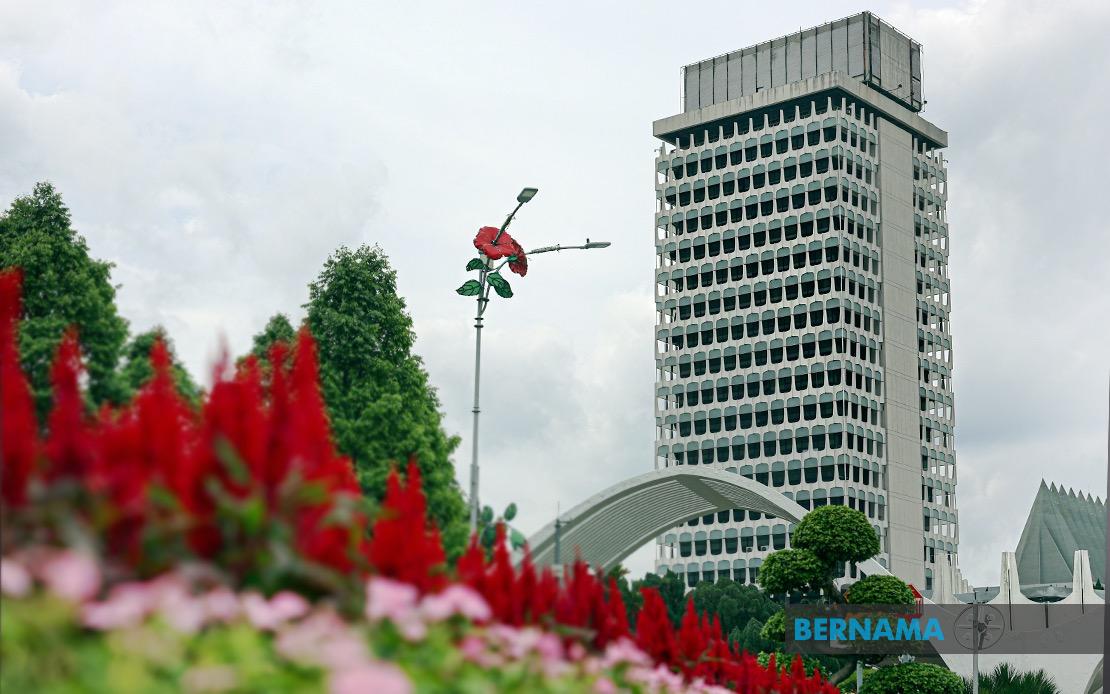
His Majesty Sultan Ibrahim, King of Malaysia, has formally granted royal assent to eight bills that were successfully passed during the First Meeting of the Fifth Session of the 15th Parliament, which concluded in March following proceedings that began in January. The formal announcement came during parliamentary proceedings this week, delivered by Dewan Rakyat Speaker Tan Sri Johari Abdul before the commencement of question time in the chamber.
The legislation receiving royal approval encompasses a diverse range of policy areas affecting Malaysia's governance and infrastructure development. Among the bills granted assent are the Government Procurement Act 2025, which will modernise how government entities conduct purchasing and contract management, and paired amendments to immigration and passport legislation designed to strengthen Malaysia's border management and identity verification systems. Additionally, the International Settlement Agreements Resulting from Mediation Act 2025 was approved, establishing the legal framework for implementing dispute resolution mechanisms consistent with international best practices.
One of the most significant pieces of legislation to receive royal assent is the Johor Bahru-Singapore Rapid Transit System (RTS) Link Act 2026. This represents a major milestone for cross-border regional infrastructure cooperation in Southeast Asia, as it provides the legislative foundation for implementing the long-planned rapid transit connection between the two neighbouring jurisdictions. The RTS Link, once operational, is expected to enhance economic integration between Johor and Singapore whilst easing congestion on the Johor Bahru-Singapore Causeway, one of Asia's busiest land crossings.
The legislative package also includes the Capitation Grant Act 2026, which will establish the statutory framework governing allocation of per-student funding mechanisms to educational institutions. This legislation carries substantial implications for the education sector, as it standardises financial support mechanisms across schools and potentially affects how teaching and learning resources are distributed nationwide. Similarly, the Environmental Quality (Amendment) Act 2026 strengthens Malaysia's environmental protection framework, reflecting the government's commitment to sustainability and ensuring regulatory compliance with stricter environmental standards.
Additionally, Parliament approved the Supplementary Supply (2025) Act 2026, which authorises government spending beyond original allocations for fiscal year 2025. Such supplementary appropriations are common in parliamentary systems and typically address unforeseen expenditures or changing priorities that emerge during budget implementation. The measure demonstrates Parliament's oversight role in managing public finances and ensuring accountability for government spending throughout the financial year.
Parallel to these approvals, Dewan Rakyat Speaker Johari also informed the chamber that the Employment Insurance System (Amendment) Bill 2025 has successfully completed its passage through the Dewan Negara, Malaysia's upper house. The amendments made to Clause 11 of this legislation suggest refinements to Malaysia's employment insurance framework, which provides crucial protection for workers during periods of unemployment or retrenchment. For Malaysian workers and employers, these amendments represent an evolution in labour market protection mechanisms as the nation continues adapting its social safety net to contemporary employment dynamics.
The completion of this parliamentary session underscores the legislative agenda prioritised by the current government across multiple domains—from economic governance and border security to infrastructure development and social welfare. The breadth of these bills reflects Parliament's responsibility for addressing interconnected policy challenges ranging from procurement transparency to regional cooperation with Singapore, from educational funding to environmental stewardship.
For Malaysian citizens and businesses, several of these legislative measures carry direct practical implications. The government procurement reforms will enhance transparency and efficiency in how public funds are spent on goods and services. The immigration and passport amendments are likely to introduce new procedures or requirements for travellers and overseas Malaysians. The RTS Link legislation, meanwhile, signals imminent progress toward a transformative transport project that could reshape cross-border mobility patterns for millions of commuters and businesses operating across the Johor Bahru-Singapore corridor.
The passage of these bills through both houses of Parliament and receipt of royal assent also demonstrates the functioning of Malaysia's constitutional framework, wherein legislation requires parliamentary approval and royal endorsement before becoming binding law. The oversight provided by the Dewan Negara's review of the Employment Insurance System amendments particularly highlights how Malaysia's bicameral legislature examines legislative proposals to refine their implementation and protect various stakeholder interests.
Looking ahead, implementation of these legislative measures will require coordination among relevant government agencies, consultations with affected stakeholders where necessary, and development of detailed regulations and guidelines to operationalise their provisions. The staggered timeline for some acts—with certain pieces dated 2025 and others 2026—suggests a phased implementation approach allowing for transitional arrangements and stakeholder preparation.

