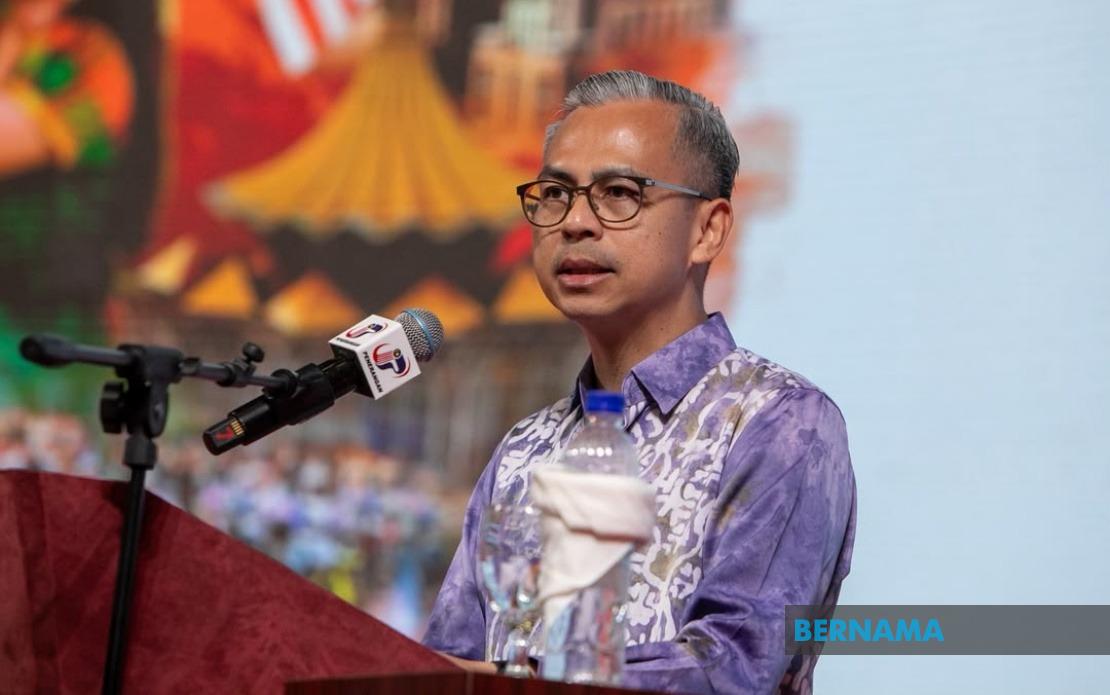
The government has reaffirmed its commitment to using the Kembara Merdeka Jalur Gemilang convoy as a flagship initiative for nurturing national pride and social cohesion across Malaysia. Communications Minister Datuk Seri Fahmi Fadzil made the declaration during the official launch of the 2026 National Month campaign in Ipoh, underlining the programme's continued prominence in the country's most significant annual civic observances. The convoy, which traverses the nation during the lead-up to Malaysia Day and National Month, remains a symbolic expression of Malaysian identity and shared values.
This year's national celebrations will carry the theme 'Malaysia MADANI: Kesejahteraan Dinikmati', translating to 'Malaysia MADANI: Shared Prosperity', reflecting the government's broader development philosophy centred on equitable growth and national welfare. The framing suggests organisers intend to connect patriotic expression directly to the lived experience of ordinary Malaysians, positioning national unity not as an abstract concept but as a tangible outcome of good governance and inclusive policymaking. By anchoring the celebrations in prosperity messaging, the government aims to deepen emotional investment in national symbols and civic participation.
Minister Fahmi emphasised that despite operating within budgetary constraints, the organisers refuse to compromise on the fundamental objectives of deepening patriotism and strengthening appreciation for Malaysia's hard-won independence. This pragmatic approach reflects broader fiscal discipline across government agencies whilst maintaining commitment to nation-building activities. The decision to optimise existing resources rather than seek significant additional spending demonstrates how authorities are balancing celebratory impulses with fiscal responsibility in a period of selective austerity.
Central to this year's initiative is an intensified push for the 'One House, One Jalur Gemilang' programme, which encourages Malaysian households to display the national flag as a visible expression of sovereignty and pride. Mounting the Jalur Gemilang—the distinctive yellow, blue, red and white banner—on residential properties has become a key metric of national participation and collective identity. By broadening this campaign, the government seeks to transform neighbourhoods into tapestries of patriotic symbols, fostering a sense of shared belonging that extends beyond formal ceremonies into everyday domestic spaces.
The launch event in Tanjung Rambutan on July 19 drew significant political attendance, with Prime Minister Datuk Seri Anwar Ibrahim officiating proceedings alongside National Unity Minister Datuk Aaron Ago Dagang and Perak Menteri Besar Datuk Seri Saarani Mohamad. The presence of multiple senior ministers underscores the government's prioritisation of these celebrations as a strategic platform for reinforcing national narratives and political messaging. The convergence of communications, unity and healthcare infrastructure portfolios at a single event also suggests deliberate coordination in how the state communicates patriotic values across different sectors.
For Malaysian readers, the implications of sustaining such campaigns merit careful consideration. National unity initiatives serve multiple functions simultaneously: they provide spaces for genuine civic expression, establish frameworks through which government legitimacy is built and renewed, and create opportunities for political parties to demonstrate their commitment to nation-building. The KMJG convoy specifically has become embedded in Malaysian civic culture, with successive administrations recognising its power as a unifying symbol that transcends partisan divisions.
The timing of launching the 2026 campaign more than a year in advance reflects confidence in the government's planning apparatus and suggests ambitions for an exceptionally elaborate commemoration. This extended preparation period provides ample opportunity for community organisers, state governments and civil society groups to integrate the campaign into local activities, potentially creating cascading effects of patriotic engagement throughout the country. Early announcement also signals continuity and stability to Malaysian citizens, reassuring them that established traditions will persist regardless of political fluctuations.
From a Southeast Asian perspective, Malaysia's emphasis on flag displays and convoy-based patriotism reflects broader regional patterns of using visible symbols to strengthen national cohesion. Similar campaigns exist throughout ASEAN, adapted to local contexts and political systems. The Malaysian approach notably combines bottom-up residential participation through the flag initiative with top-down ceremonial spectacle through the convoy, creating multiple entry points for citizen involvement at different levels of formal and informal engagement.
The stated emphasis on patriotism and unity also carries implicit political messaging in Malaysia's contemporary context. Strengthening national identity and citizen participation in national celebrations can serve as a counterbalance to divisive communal tensions or political polarisation. By redirecting public attention toward shared national achievements and collective pride in independence, authorities hope to elevate discourse above partisan competition. This strategy acknowledges the real challenge of maintaining social cohesion in a diverse, democratic nation where electoral cycles frequently sharpen political divisions.
Looking ahead to 2026, the success of these campaigns will likely be measured through both tangible indicators—numbers of flags displayed, convoy attendance figures, media coverage—and less quantifiable measures of genuinely felt national pride and strengthened social bonds. The government's willingness to proceed despite budgetary limitations suggests genuine belief in the intrinsic value of these celebrations, independent of expenditure levels. Minister Fahmi's assurances that patriotism and appreciation for independence remain priorities, even under resource constraints, signal that symbolic and emotional dimensions of nationalism retain paramount importance for policymakers.
For Malaysian citizens considering participation in upcoming national month activities, the government's early announcement provides advance notice to plan involvement. Whether through displaying the national flag at home, attending KMJG convoy events, or engaging with related community programmes, Malaysians have multiple opportunities to contribute to what authorities characterise as a nationwide expression of collective identity. The campaigns ultimately reflect a fundamental political choice: that investing in visible, participatory expressions of national unity serves broader governmental and social interests during periods when such cohesion cannot be taken for granted.

