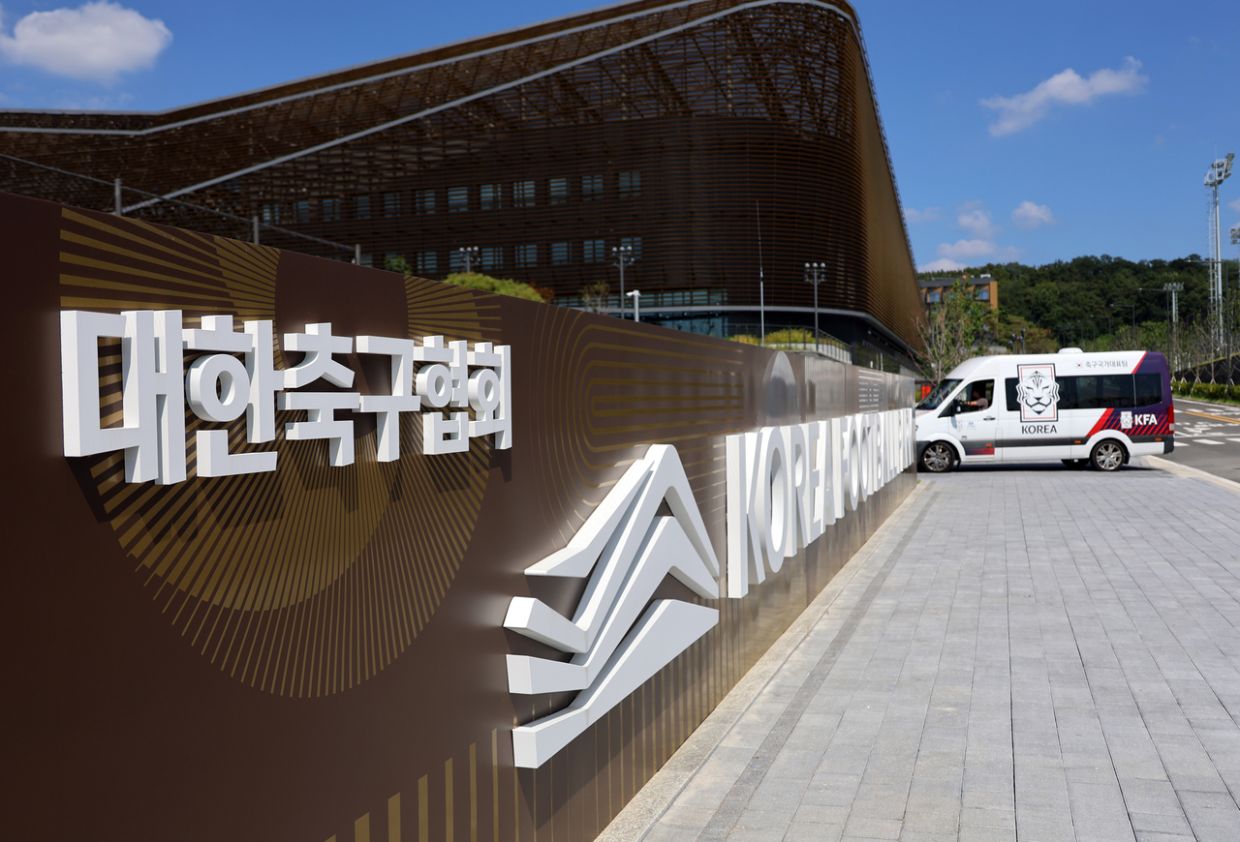
The Korea Football Association finds itself at the centre of a widening international scandal involving allegations that it systematically provided sexual entertainment to foreign match officials, with investigations now extending beyond South Korea's borders. The dispute, which centres on conduct dating back more than a decade, has prompted Japan's football governing body to launch its own inquiry into four Japanese referees allegedly among those who received improper benefits, underlining how the controversy threatens to damage football's credibility across East Asia.
The KFA issued a formal apology on Saturday, acknowledging the seriousness of the allegations amid intensifying domestic pressure. In a carefully worded statement, the organisation expressed regret for disappointing stakeholders and vowed comprehensive reforms to enhance institutional transparency and accountability. The timing of the apology reflected the mounting difficulties facing the association, which simultaneously confronts a parliamentary investigation into its management practices and a separate police operation that raided its headquarters in connection with the contentious 2024 appointment of Hong Myung-bo as national team coach.
According to a 2016 audit conducted by South Korea's Ministry of Culture, Sports and Tourism, the KFA utilised corporate credit cards on eight separate occasions between March 2011 and March 2012 to finance entertainment at massage establishments for approximately ten foreign referees and match commissioners. These officials were reportedly connected to seven competitive matches played on South Korean soil, comprising three World Cup and Olympic qualifiers alongside four friendly internationals. The audit's release this month through a JTBC television report triggered renewed scrutiny of conduct that had remained dormant in public consciousness for several years.
The sporting dimension of the scandal carries potentially explosive implications. During the seven matches identified in the audit, South Korea's national team compiled a record of five victories, two draws and no defeats. This notable winning rate has inevitably sparked speculation among observers that match outcomes may have been compromised by the alleged improper treatment of officials. However, South Korean football authorities have consistently denied such suggestions, maintaining that entertainment provision and sporting results were entirely unconnected.
Japan's football authorities announced their investigation into the matter on Sunday, with Kyodo News reporting that the Japan Football Association intends to examine four Japanese match officials implicated in the scandal. The JFA has committed to releasing comprehensive findings once its inquiry concludes, marking the first formal response from another national federation to the unfolding controversy. Japanese media outlets have already identified two of the referees involved, including one who currently serves as a JFA manager responsible for overseeing officials in Japan's domestic J-League competition.
The second identified Japanese referee holds particular significance given his involvement in a specific match scrutinised by the original audit. He captained an all-Japanese four-person refereeing crew that oversaw South Korea's 2012 World Cup qualifier victory against Kuwait, a contest that the audit indicates involved entertainment provisions for two match officials. The identification of individuals with such direct connections to audited matches intensifies the international dimension of the controversy and complicates efforts by either federation to contain the scandal's reach.
Some Japanese sports commentators have offered important contextual observations regarding the investigation, cautioning that an official's participation in a particular match does not automatically confirm that individual personally benefited from any entertainment provisions. This nuance reflects the complexity of establishing culpability and distinguishing between those who received improper benefits and those who may have been merely present during the incidents in question. Such distinctions could prove significant as investigations progress.
The international football community's formal response mechanisms face genuine constraints in addressing this historical controversy. FIFA's ethics code typically imposes a statute of limitations spanning five to ten years for most violations, which would place the 2011-2012 conduct well beyond the typical enforcement window. Moreover, observers acknowledge that the alleged conduct, while troubling for football governance, likely does not fall within FIFA's narrower category of unlimited liability applicable specifically to sexual abuse or exploitation claims. Consequently, despite the ethical gravity of the allegations, formal international sanctions appear unlikely given the temporal distance between the incidents and their public revelation.
The practical enforcement challenges are compounded by the retirement of most referees named in connection with the audit. With key individuals having exited professional football, the capacity to impose meaningful disciplinary measures has been substantially diminished. Additionally, a South Korean criminal investigation into the matter was previously discontinued on grounds of insufficient evidence, limiting the availability of conclusive legal findings that might otherwise support international football bodies in taking action.
The scandal underscores persistent governance vulnerabilities within East Asian football and raises uncomfortable questions about institutional oversight and ethical standards in regional sports administration. The systematic nature of the alleged entertainment provision across eight separate occasions suggests the conduct reflected organisational practice rather than isolated incidents, potentially reflecting broader cultural or institutional attitudes toward match officials that warrant examination across multiple national federations.
For Malaysian and Southeast Asian football observers, the controversy offers cautionary lessons regarding the importance of robust internal governance mechanisms and transparent financial oversight in national associations. The extended timeline between alleged misconduct and public accountability, combined with the difficulty of establishing consequences across international jurisdictions, illustrates how weak institutional controls can permit problematic practices to persist and ultimately damage the credibility of the sport itself.
As both the KFA and JFA pursue their investigations, the unfolding scandal remains predominantly confined to administrative and ethical spheres rather than criminal or competitive consequences. The focus now rests upon whether the affected federations can convincingly demonstrate reformed practices and restored institutional integrity to stakeholders across the region. The episode serves as a stark reminder that football governance challenges transcend borders and demand coordinated attention from national associations committed to protecting the sport's fundamental integrity and public trust.

