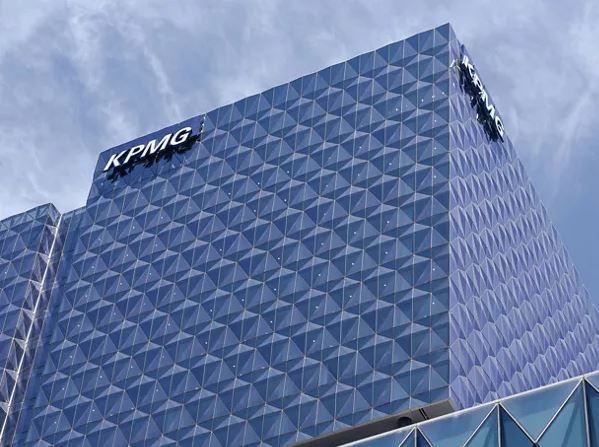
SYDNEY: The departure of KPMG Australia's Chairman Martin Sheppard alongside audit partners Paul Rogers and Eileen Hoggett represents a significant moment of reckoning for the professional services giant. The trio's resignation on Tuesday follows mounting pressure over the firm's handling of serious whistleblower allegations that revealed the firm improperly accessed confidential information belonging to clients to strengthen bids for lucrative audit mandates. These exits come as the latest stage in a deepening crisis that has already claimed the scalps of the firm's chief executive officer and head of the audit division.
Interim CEO Stan Stavros acknowledged in a statement that the firm had fundamentally breached the trust placed in it by stakeholders. "The decisions announced today are necessary and immediate," he said, adding that KPMG had failed to uphold the stringent ethical standards its clients and the broader community have every right to expect. The statement reflected recognition that the reputational damage extends far beyond the firm itself, touching whistleblowers who came forward with allegations, staff members grappling with the firm's fallen reputation, audit clients concerned about their relationship with KPMG, and the general public's confidence in audit integrity.
The scandal centres on allegations that KPMG mishandled confidential board papers obtained from property and infrastructure company Lendlease. According to the whistleblower's account, these sensitive documents were weaponised to support and strengthen KPMG's competitive bids for major audit tenders involving Lendlease. The use of such privileged information—typically guarded under strict client confidentiality agreements—represents a fundamental breach of professional ethics and potentially violates Australian corporate laws. The fact that a major multinational professional services firm stood accused of such conduct sent shockwaves through the accounting and auditing sector.
Rogers and Hoggett both held senior positions as lead partners overseeing the Lendlease audit team. When the whistleblower's allegations surfaced publicly in March, both partners were explicitly named as individuals involved in the misconduct. Their prominence in the incident meant they became the public faces of the failure, and their continued presence at the firm would have been untenable given the seriousness of the claims. Australia's corporate regulator initiated formal investigations into both individuals, heightening the urgency of their departure and signalling that potential legal consequences may extend to individual practitioners, not just the organisation.
The cascading resignations underscore how corporate scandals in the audit profession carry particular weight. Audit firms serve as gatekeepers of financial integrity for thousands of companies and their investors. When the integrity of an audit firm itself comes into question, it strikes at the heart of the entire financial system's reliability. Clients face difficult questions about whether KPMG possesses the ethical standards necessary to properly scrutinise their financial records and operations. Investors in companies audited by KPMG may question the credibility of those audits. Regulators and policymakers must determine whether systemic failures exist within the profession.
The governance response KPMG has announced seeks to address these concerns and rebuild confidence. The appointment of an independent chair—replacing Sheppard—signals that the firm is willing to cede control of its board to someone without entrenched relationships within the organisation. This structural change prevents the board from being dominated by insiders who might shield the firm or resist meaningful reform. The addition of independent board members further dilutes the influence of longstanding partners and creates space for voices genuinely focused on oversight rather than protecting existing interests.
For Malaysian and Southeast Asian readers, this crisis carries instructive lessons about governance and ethical standards in professional services. KPMG operates extensively throughout the region, with significant presences in Malaysia, Singapore, Thailand, and Indonesia. The Australian scandal raises legitimate questions about whether similar governance vulnerabilities exist in other KPMG markets or in competing international audit firms operating regionally. Professional services firms increasingly face scrutiny over culture, compliance, and ethical behaviour—areas where recent corporate failures across multiple sectors have exposed dangerous gaps between espoused values and actual conduct.
The situation also reflects broader regulatory trends. Australian authorities have intensified oversight of the Big Four accounting firms (KPMG, Deloitte, PwC, and EY) following multiple scandals, with regulators questioning whether industry self-regulation adequately protects the public interest. Similar regulatory momentum exists in Malaysia and across ASEAN, where authorities increasingly demand real accountability from multinational professional services providers. This Australian case will likely inform how Malaysian and regional regulators approach oversight of audit firms and individual audit partners.
The departure of senior leadership does not automatically resolve the underlying questions about the firm's culture and decision-making processes. KPMG must now demonstrate that the misconduct represented failures of individual judgment rather than systemic problems embedded in how the firm pursues business. Interim CEO Stavros faces the delicate task of restoring stakeholder confidence while the firm undergoes investigation and reform. The newly constituted board, with its independent leadership, will bear responsibility for implementing credible reforms that transform conduct from the inside out, not merely adjusting the organisational chart in response to external pressure.

