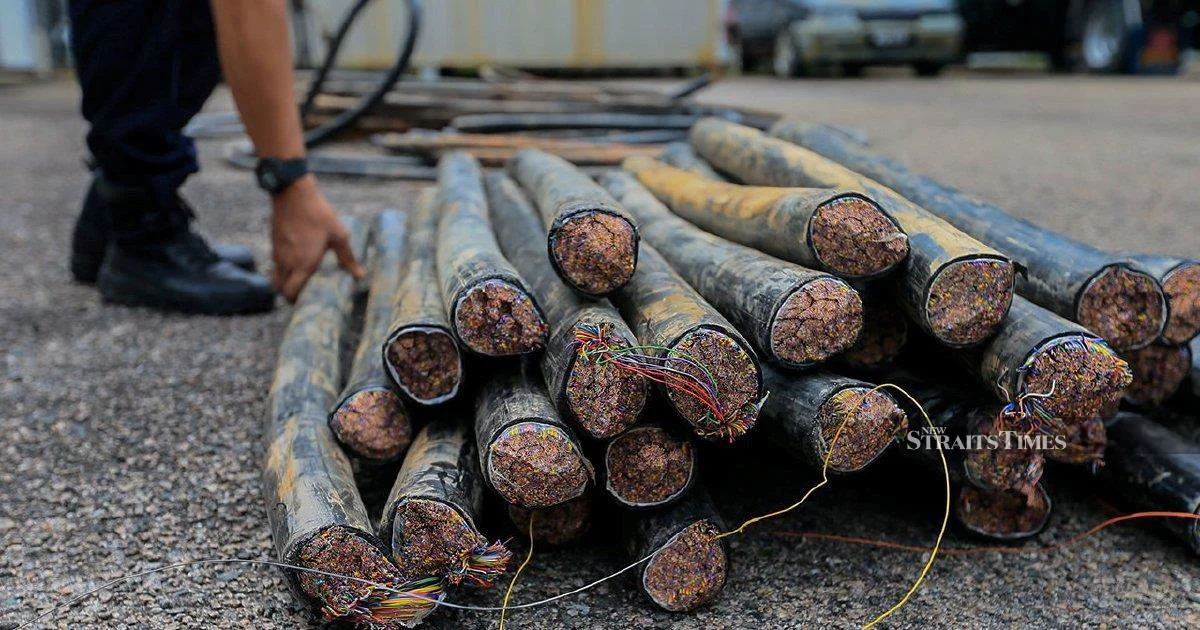
The Royal Malaysia Police have recorded a substantial decrease in cable theft incidents across Kuala Lumpur, marking a notable achievement in the force's ongoing campaign against organised theft rings that have plagued the capital's infrastructure and power distribution networks. Fresh police data reveals that the five-month period from January through May saw only 71 reports of cable theft—a dramatic reduction compared to the 205 cases documented throughout the entirety of 2024, indicating that enforcement measures are beginning to yield measurable results in combating this persistent urban crime.
The sharp decline represents approximately a 65 percent reduction in reported incidents, a statistical turnaround that reflects intensified police operations targeting both street-level perpetrators and the criminal networks orchestrating large-scale copper and aluminium wire thefts. So far this year, authorities have arrested 85 suspects in connection with cable theft offences, suggesting that police operations are moving beyond reactive investigation to focus on proactive interdiction and dismantling of theft syndicates that have long plagued the Klang Valley and surrounding regions.
Cable theft has historically been one of the more troublesome property crimes affecting Malaysia's urban centres, driven primarily by the high resale value of non-ferrous metals on the legitimate and illicit scrap markets. Thieves target power lines, telecommunications infrastructure, and internal building wiring, creating significant disruption to essential services and safety hazards for both the general public and utility workers tasked with repairs. The economic impact extends beyond the cost of stolen materials; replacement expenses, system downtime, and emergency response operations impose substantial burdens on utility companies and municipal services across the region.
The improvement in Kuala Lumpur's crime statistics comes amid broader police restructuring and renewed focus on property crime prevention within urban precincts. Enhanced surveillance capabilities, increased foot patrols in historically high-theft locations, and coordination between district police units and utility company security teams have contributed to the declining figures. Intelligence-led policing approaches have allowed officers to identify hotspots where thieves congregate and plan operations, enabling preventive action before crimes occur rather than pursuing lengthy investigations after the fact.
Analysts suggest that the success in reducing cable theft incidents carries broader implications for Malaysia's urban security landscape. Property crimes such as theft and burglary remain among the most commonly reported offences in the country, affecting both residential and commercial sectors. The demonstrable effectiveness of coordinated enforcement efforts in one jurisdiction provides a blueprint for replication across other major urban areas, including Penang, Johor Bahru, and the Selangor municipalities that likewise face cable theft challenges.
The scrap metal and recycling industry has come under greater scrutiny as authorities work to disrupt the financial incentives that drive cable theft. By implementing stricter licensing requirements, enhanced transaction documentation, and increased inspections of scrap dealers, police hope to create friction in the supply chain that turns stolen metals into cash. Cooperation from industry stakeholders in monitoring unusual purchasing patterns and suspicious sellers has proven valuable in identifying suspect individuals and organised crime groups active in the theft sector.
The reduction in cable theft also benefits utility consumers indirectly through improved service reliability and reduced operational costs. Tenaga Nasional Berhad and other power distribution companies have reported fewer emergency maintenance calls and reduced workforce exposure to dangerous field conditions created by theft-related damage to electrical infrastructure. When theft incidents decline, utility workers face lower risks of electrocution or injury during repair operations, and the companies can redirect resources toward proactive maintenance rather than reactive crisis management.
However, law enforcement officials caution that sustained progress will require ongoing commitment to the issue. Copper and other valuable metals remain attractive theft targets as global commodity prices fluctuate, and criminal networks demonstrate considerable adaptability when confronted with police enforcement. The 85 arrests made thus far represent progress, but the underlying demand for stolen metals persists, meaning that criminals will continue seeking opportunities if preventive measures are relaxed or resources withdrawn.
Moving forward, police and relevant agencies are likely to emphasise community engagement and public awareness regarding the dangers and consequences of cable theft. Educational campaigns targeting potential offenders, particularly young individuals who may not fully appreciate the risks involved, could reinforce the message that cable theft is not a victimless crime. Alongside enforcement, such comprehensive approaches combining punishment, prevention, and persuasion tend to produce more durable reductions in property crime across comparable jurisdictions in Southeast Asia and beyond.

