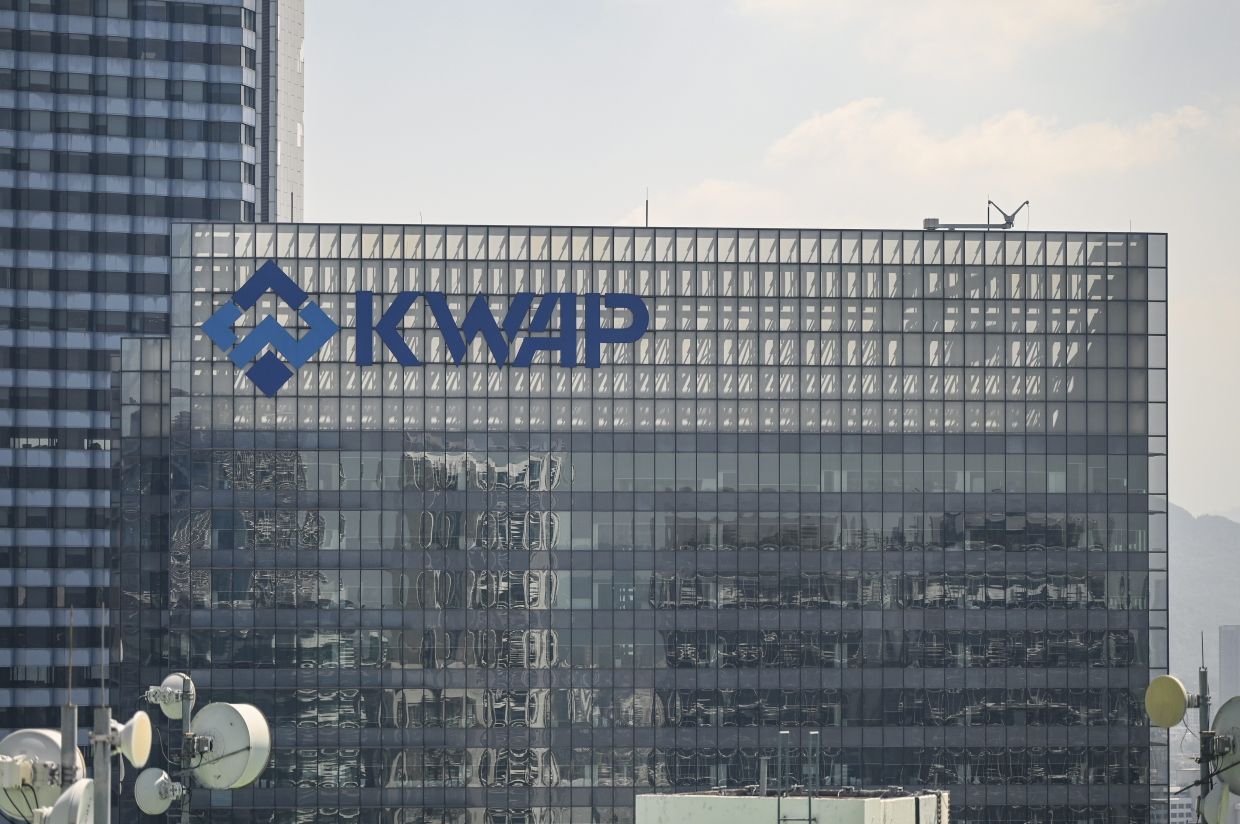
Malaysia's public sector pension fund has reaffirmed its determination to recover the full value of its substantial stake in eFishery, the Indonesian aquaculture startup at the centre of a major financial scandal. The Retirement Fund (Incorporated), known as KWAP, committed RM163.4 million to the company, which amounted to roughly 2.51 per cent of eFishery's total shareholding, making it a minority investor alongside several major international institutional players. The announcement underscores the fund's resolve to maximise returns despite the severe setback caused by systematic financial misconduct within the company's leadership.
The investment debacle centres on deliberate financial manipulation and misstatement of eFishery's accounts by company management. On April 29, 2026, Gibran Huzaifah, eFishery's co-founder and former chief executive, received a nine-year prison sentence from the Bandung District Court following his conviction on embezzlement and money laundering charges. His case represents one of the region's most significant cases of corporate fraud, involving sophisticated schemes to deceive multiple major institutional investors simultaneously.
KWAP's loss cannot be viewed in isolation. The fund operates as a fiduciary institution responsible for managing retirement savings for Malaysia's civil service and has obligations to millions of current and future pensioners. For Malaysian readers, the implications are personal: the mismanagement of public sector pension funds directly affects the retirement security of teachers, healthcare workers, civil servants and other government employees. The transparency with which KWAP now addresses its mistakes matters significantly for public confidence in how state institutions safeguard workers' deferred compensation.
The Ministry of Finance previously characterised the eFishery situation as a well-orchestrated deception in which management systematically falsified financial records to attract and retain investor capital. This distinction proves crucial: KWAP and its co-investors were victims of intentional fraud rather than passive recipients of poor management or market misfortune. The coordinated nature of the deception suggests considerable sophistication in concealing irregularities from sophisticated institutional oversight.
Following discovery of the irregularities, KWAP initiated comprehensive internal investigations and systematic reviews of its investment procedures, post-investment monitoring systems, and all information flows to the fund throughout its ownership period. These internal reviews aim to identify process breakdowns that allowed fraudulent representations to persist undetected. Such institutional self-examination, while revealing uncomfortable truths about oversight failures, demonstrates an institution attempting to learn from adversity and prevent recurrence.
Beyond immediate recovery efforts, KWAP has signalled a fundamental recalibration of its approach to private market investments. The fund now emphasises greater portfolio diversification across asset classes, sectors and geographies, reducing concentration risk in any single investment. Crucially, KWAP indicates it will pursue private market opportunities primarily alongside experienced fund managers and established strategic partners rather than direct investments, a material shift toward syndicated structures that distribute both risk and due diligence responsibilities.
The fund's enhanced post-investment monitoring protocols represent perhaps the most critical reform. Private equity and venture investments require continuous oversight, yet institutional investors frequently reduce monitoring intensity after initial capital deployment. KWAP's commitment to closer tracking of material developments at portfolio companies suggests the fund experienced inadequate visibility into eFishery's operational and financial performance during critical periods. This mirrors common weaknesses across institutional investors in emerging Asian markets, where information asymmetries and governance structures sometimes frustrate Western institutional monitoring practices.
Despite the eFishery setback, KWAP's broader financial position remains robust. The fund reported unaudited gross investment income of RM8.33 billion for the financial year ending December 31, 2025, with total funds under management reaching RM195.26 billion. A single RM163.4 million loss, while material, represents less than 0.1 per cent of assets under management and remains manageable within a diversified portfolio generating substantial returns. This scale perspective should provide some reassurance to Malaysian public sector workers whose pensions ultimately depend on KWAP's performance.
The consortium of investors holding eFishery stakes has pursued coordinated recovery strategies, including legal action against perpetrators, organised fund recovery efforts, collective governance reviews, and strengthened internal controls. This coordinated response distinguishes the current situation from scenarios where isolated investors pursue fragmented recovery efforts. International coordination around fraud recovery from Indonesian entities presents considerable practical challenges, making consortium cohesion particularly valuable.
For Malaysian investors and policymakers, the eFishery case illuminates ongoing tensions in Southeast Asian investment landscapes. As the region's economies mature and capital accumulates, institutional investors increasingly venture into private markets and emerging sectors. However, governance standards, regulatory oversight, and information transparency in private companies remain inconsistent across the region. Malaysian funds operating across Southeast Asia face particular challenges in monitoring investments across multiple jurisdictions with varying disclosure regimes and enforcement mechanisms.
KWAP's determination to pursue recovery through all available channels reflects both institutional resilience and pragmatic recognition that written-off losses represent permanent deductions from pension fund performance. Every dollar recovered improves long-term returns for the fund's beneficiaries. The fund's transparent communication about the fraud, internal failings, corrective measures, and ongoing recovery efforts provides Malaysian public employees with evidence of institutional accountability.
Moving forward, KWAP's evolution toward more conservative private market practices may influence broader Malaysian institutional investment culture. As Malaysia's largest pension fund recalibrates risk management following major fraud exposure, other Malaysian institutional investors likely will adopt similar protective measures. This ripple effect could alter capital flows into Southeast Asian private investments, potentially raising standards across the ecosystem as international institutional capital becomes more cautious about governance quality and information transparency.
The eFishery episode ultimately demonstrates that even sophisticated institutional investors with substantial resources can fall victim to determined fraudsters. However, institutional responses matter tremendously. KWAP's commitment to rigorous investigation, transparent disclosure, systematic governance improvements, and coordinated recovery efforts represents the institutional accountability Malaysian pension contributors deserve and the market discipline that eventually deters future misconduct.

