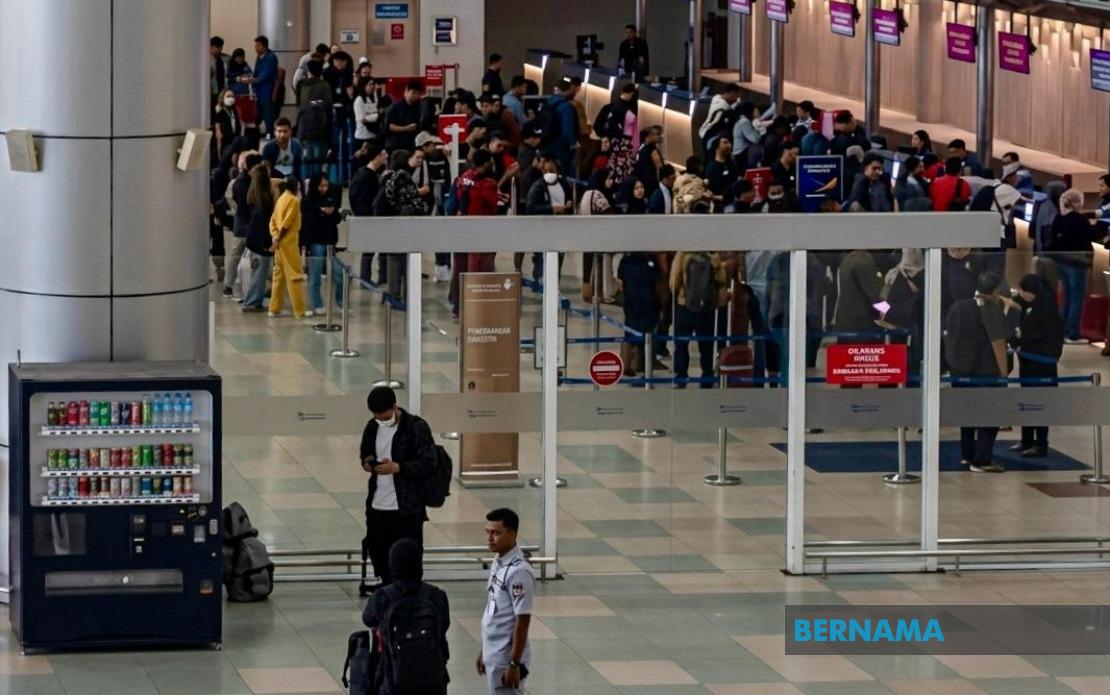
Labuan Airport's runway operations came to an abrupt halt on June 26 following the discovery of explosive devices in close proximity to the airfield, forcing authorities to implement immediate safety protocols that have disrupted regional air traffic. The Royal Malaysian Air Force issued a Notice to Airmen at 5pm, formally closing the runway until further notice after bombs were found approximately 150 metres from the operational surface, triggering a comprehensive security and structural assessment of the facility.
The discovery set in motion a joint operation between the RMAF and airport management, with both agencies undertaking a thorough inspection before any resumption of operations can be authorised. This coordinated response reflects standard aviation safety procedures when potential threats to runway integrity or aircraft operations emerge. The inspection process, which remains ongoing, is designed to verify that no additional hazards exist and to certify that the runway meets all operational safety standards before returning to full service. Only upon successful completion of these checks and formal clearance documentation will the facility reopen to commercial traffic.
The immediate impact on passenger operations has been substantial, with flight cancellations affecting services between Labuan and key regional hubs including Miri and Kota Kinabalu. Bernama's observations at the airport documented specific flight disruptions beginning at 4.05pm, with affected departures scheduled for 5.15pm, 6.05pm, 6.15pm and 7.25pm targeting Kuala Lumpur, Kota Kinabalu and Miri. Beyond outright cancellations, multiple other services have been subject to diversions and delays, cascading effects that create significant inconvenience for passengers with connecting flights or time-sensitive travel arrangements.
For Malaysian travellers relying on Labuan Airport for connectivity to Sabah and Sarawak, this disruption carries particular weight given the limited alternative ground transportation options in East Malaysia. The airport serves as a critical link for business travellers, workers commuting between the federal territory and the mainland, and tourists accessing the island destination. The extended closure period creates uncertainty for those with booked flights, as the timeline for runway reopening remains undefined pending the completion of inspection protocols and safety clearances.
The closure also underscores the broader aviation infrastructure vulnerabilities affecting smaller regional airports in Malaysia. While major hubs like Kuala Lumpur International Airport benefit from extensive security perimeters and multiple runways allowing for flexibility during emergencies, facilities such as Labuan operate with more constrained resources. The discovery of explosive devices in such proximity to a functioning runway represents a rare but serious security incident with potential ramifications for air traffic management across the broader Sabah and Sarawak region, particularly as both states depend heavily on regional air connectivity for economic activity.
Airlines operating services to Labuan have been forced to implement contingency protocols, rebooking passengers on alternative flights or issuing travel credits depending on individual carrier policies and passenger circumstances. Travellers with existing reservations face the prospect of significant delays, extended journey times through rerouting, or cancellation rights allowing them to claim refunds or alternative travel arrangements. The disruption affects both domestic connectivity within Malaysia and any international services that utilise Labuan as a transit point, though international traffic through the airport remains limited compared to major hubs.
Authorities have appealed to passengers to maintain regular contact with their respective airlines for real-time updates on flight statuses and revised scheduling, recognising that information dissemination during such incidents remains crucial for managing passenger expectations and logistical coordination. Airlines operating from Labuan have activated customer service responses, though the absence of a confirmed reopening timeline complicates efforts to provide definitive rescheduling advice. This communication challenge is particularly acute for international passengers or those unfamiliar with local airport operations who may face confusion regarding refund eligibility, rebooking windows and liability frameworks.
The incident raises important questions about runway perimeter security protocols and explosive detection methodologies at secondary airports throughout Malaysia. While the circumstances surrounding the bomb discovery remain unclear, the incident highlights the importance of maintaining comprehensive security assessments at all operational airfields, regardless of traffic volume or airport classification. The proximity of the devices to an active runway suggests that perimeter vulnerabilities may have allowed unauthorised access or that existing surveillance and detection systems require enhancement.
For Labuan's economy, which depends substantially on air connectivity for maintaining its status as a financial services and tourism destination, the disruption carries broader implications beyond the immediate flight cancellations. Extended runway closures can deter investment, disrupt business schedules and undermine the region's competitive positioning relative to other Malaysian and Southeast Asian destinations. While authorities work to restore operations swiftly, the incident may prompt broader reviews of security infrastructure investments at regional airports throughout East Malaysia.

