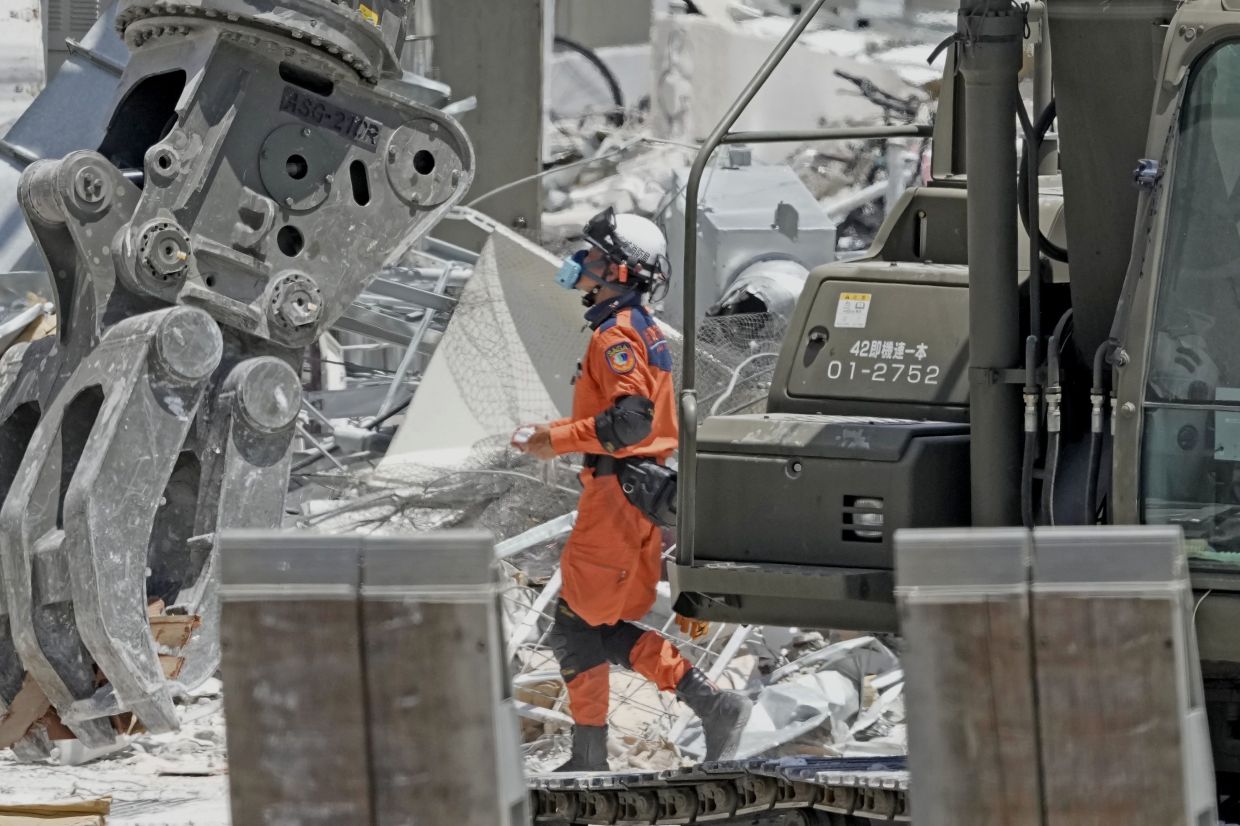
Japan's Ministry of Economy, Trade and Industry has concluded that a liquefied petroleum gas leak was the probable cause of the devastating explosion at Aeon Mall Kumamoto that occurred on July 28, following a significant earthquake in the region. The ministry's assessment, released on August 5, represents the first official determination of what triggered the blast that claimed three lives and caused substantial structural damage to a central commercial hub.
The explosion ripped through the second floor of the shopping complex approximately one hour and twenty minutes after seismic activity rattled the Kumamoto Prefecture, suggesting a delayed chain of events that began with the earthquake itself. Emergency responders from local police and fire departments investigating the scene detected the distinctive odour of gas emanating from multiple locations within the building, providing initial evidence that pointed investigators toward a gas-related incident rather than other potential causes.
The mall's LPG infrastructure was designed to supply cooking and water-heating needs across numerous restaurant and food service outlets, with the system also contributing to the facility's air-conditioning operations. According to Aeon, the company operating the mall, liquefied petroleum gas was actively used at restaurants on the first floor's north section and at a food court positioned on the east side of the second level, making it an essential utility for daily operations across the complex.
The storage arrangement involved a large tank holding 9,367 kilograms of LPG positioned on the property, with gas entering the building through an underground pipeline before distributing through an intricate network of pipes embedded within floor structures and wall cavities. This extensive piping system, while efficient for normal operations, created potential vulnerability points where leaks could develop if seismic movement displaced connections or caused hairline fractures in the pipe network.
Investigators' working theory centres on the possibility that residual gas remaining inside the pipe network—rather than from the main storage tank itself—accumulated within enclosed spaces of the mall following the earthquake. The tank itself retained approximately its usual quantity of LPG, suggesting that the leak originated not from the primary storage container but from damaged sections of the distribution network scattered throughout the building's infrastructure. This accumulation would have created an explosive atmosphere in the hours following the seismic event.
The timing of the blast, occurring roughly eighty minutes after the earthquake struck, aligns with a scenario where gas gradually escaped from compromised pipes, dispersed through the building's ventilation systems and enclosed spaces, and eventually reached a concentration capable of igniting when exposed to an ignition source. The delay between seismic activity and explosion proved critical in understanding the accident's progression, as it ruled out immediate structural failure and pointed toward a secondary hazard triggered by the earthquake's impact.
This incident carries significant implications for building safety standards across Japan and the broader region, particularly for commercial complexes that depend on piped gas distribution systems. The Kumamoto blast demonstrates that earthquake-resistant structural design, while crucial, may not adequately account for damage to utility infrastructure that could create secondary dangers hours after initial ground motion ceases. Many shopping malls and commercial buildings throughout Southeast Asia operate similarly configured LPG systems, raising questions about whether current safety protocols sufficiently address post-seismic hazard assessment and gas system inspections.
The investigation into the precise mechanism of the leak remains ongoing, as authorities seek to identify exactly which section of the extensive piping network failed during the earthquake. Understanding whether the rupture occurred at connection points, along pipe sections, or at building penetration points will inform recommendations for improved safety standards and retrofitting requirements across the industry.
For Malaysia and other nations in the region prone to seismic activity, this accident underscores the necessity of comprehensive post-earthquake inspections of all utility systems, not merely structural assessments. Commercial operators and building management companies should consider implementing automated gas detection systems and mandatory ventilation protocols that activate immediately following tremors, potentially preventing dangerous accumulations of flammable gases before they reach explosive concentrations. The Kumamoto incident serves as a sobering reminder that modern disaster preparedness must extend beyond earthquakes themselves to encompass the cascading hazards they create within building systems.

