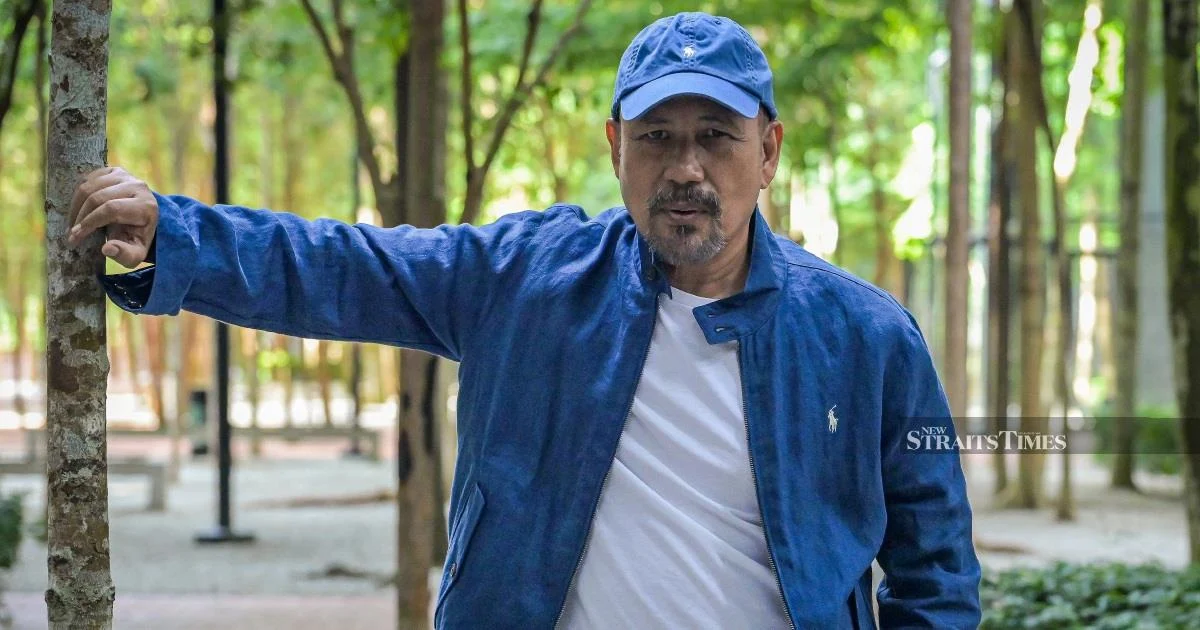
Legendary Malaysian music maestro Datuk M. Nasir has taken legal action against MyTeksi Sdn Bhd, the local operator of ride-hailing platform Grab, seeking RM5 million in damages over what he characterises as the unauthorised commercial exploitation of his identity. The distinguished performer, whose contributions to Malaysia's music landscape span decades, has remained largely circumspect about the specifics of the dispute, though he has made clear his position on the fundamental principle at stake.
The controversy centres on the alleged use of M. Nasir's name and reputation in the marketing of a beverage product, a venture the celebrated artist asserts was undertaken without his consent or knowledge. Rather than engage in protracted public commentary, the veteran performer has chosen to allow the legal process to unfold, believing his case warrants serious deliberation through the courts. His measured approach contrasts with the often immediate and vocal responses seen in similar intellectual property and personality rights disputes within the entertainment industry.
M. Nasir's decision to quantify his claim at RM5 million reflects not merely financial considerations but a broader assertion of what he regards as his inherent entitlements as a public figure and creative artist. The Malaysian entertainment landscape has historically grappled with inadequate protections for personalities' commercial rights, with many artists finding their names and likenesses deployed for commercial purposes without formal approval or compensation. This case potentially sets precedent for how Malaysian courts evaluate the monetary worth of such violations.
The lawsuit underscores a growing tension in Southeast Asia's rapidly expanding digital economy, where ride-hailing and delivery platforms frequently diversify into adjacent commercial sectors, including food and beverage operations. MyTeksi's expansion into such territories, while strategically sound from a business perspective, apparently proceeded without securing necessary approvals regarding the use of M. Nasir's name and associated brand equity. The incident highlights the occasional disconnect between corporate expansion strategies and intellectual property compliance, particularly when established cultural figures are involved.
For Malaysian audiences familiar with M. Nasir's storied career—spanning decades as a recording artist, film composer, and cultural ambassador—the dispute carries particular resonance. His insistence on framing the matter as a question of moral right, not merely financial redress, signals his commitment to upholding standards of consent and recognition within an industry frequently marked by such violations. This principled stance resonates with broader conversations about artist protections and commercial ethics in Southeast Asia.
The silence maintained by MyTeksi regarding the allegations is itself noteworthy. In the absence of public statements addressing M. Nasir's claims, the company's position remains unclear, though standard corporate practice in such circumstances typically involves either settlement negotiations or formal legal defence. The absence of immediate public response may reflect either confidence in their legal position or perhaps acknowledgment that the matter merits careful, behind-the-scenes resolution.
Industry observers note that personality rights cases of this nature have become increasingly common across the region as digital platforms expand and international standards of intellectual property protection gain traction. Malaysia's legal framework has evolved considerably to address such disputes, though enforcement remains inconsistent. M. Nasir's willingness to pursue formal legal channels—rather than seeking informal settlement or public pressure tactics—suggests confidence in Malaysia's judicial system to assess the merits of his claim adequately.
The RM5 million figure, while substantial, must be contextualised within both M. Nasir's prominence and the broader beverage market value that his name purportedly commanded. The quantum reflects not only direct financial harm from lost endorsement opportunities but potentially the broader damage to his reputation and commercial value resulting from association with a product marketed without his approval. Courts increasingly recognise such reputational harm as legitimate grounds for damages.
For younger Malaysian musicians and content creators, the case carries instructive value regarding the importance of vigilantly protecting one's name, image, and commercial rights. The entertainment industry frequently involves exploitation of emerging talents who lack the resources or knowledge to legally defend their intellectual property. M. Nasir's action serves as a reminder that such violations should not be tolerated, regardless of the perpetrator's size or market dominance.
The broader implications extend to how Malaysian corporations—particularly those operating at scale—approach compliance with personality rights legislation. As the economy increasingly recognises the commercial value of celebrity endorsements and brand associations, respecting artists' rights to control their commercial image becomes both an ethical and legal imperative. Companies operating across multiple sectors must implement robust internal systems to verify necessary approvals before leveraging any individual's identity.
Looking ahead, the resolution of this matter will likely attract considerable attention within Malaysia's entertainment and legal circles. Whether concluded through settlement or formal judgment, the outcome will meaningfully shape how both corporations and artists navigate such disputes. For M. Nasir, the lawsuit represents not merely personal vindication but a broader assertion of professional dignity and the principle that established cultural figures deserve recognition and compensation for commercial use of their identity and reputation.

