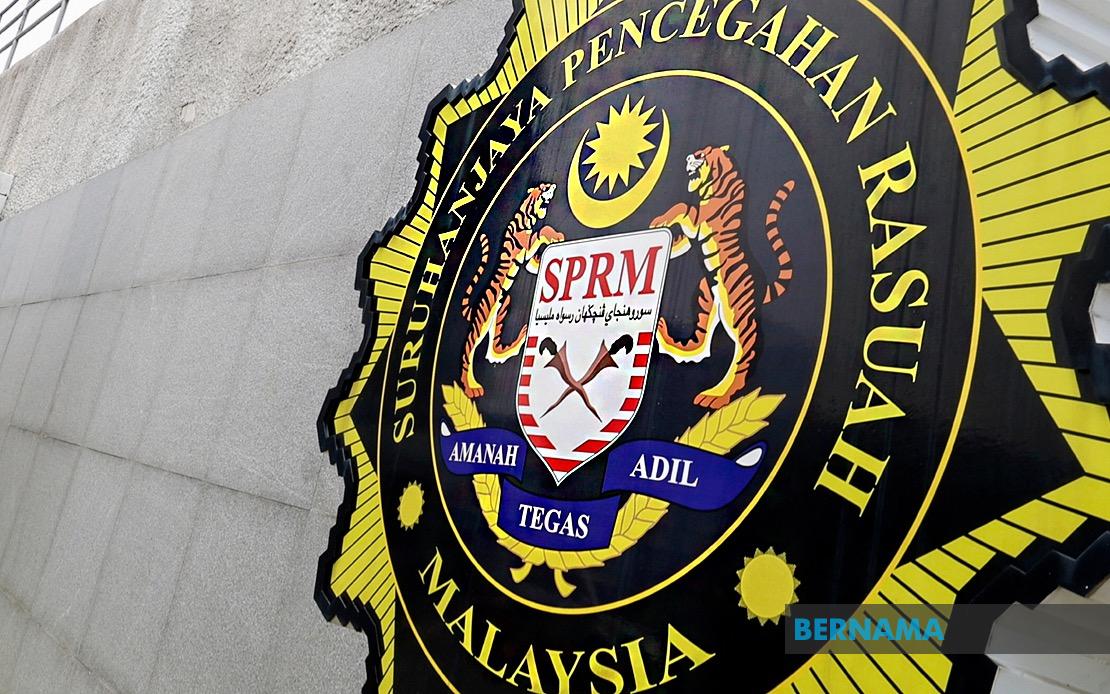
Malaysia's anti-corruption watchdog has achieved a significant milestone in its international standing, securing four finalist nominations at the prestigious ICA Compliance Awards APAC 2026. The Malaysian Anti-Corruption Commission's inclusion in the competition, organised by the International Compliance Association, represents both a validation of its enforcement work and a landmark recognition for a Malaysian public institution competing on the regional stage.
The MACC's first participation in the awards programme has yielded particularly impressive results across a diverse range of categories. The commission earned recognition in the individual Compliance Leader of the Year category through the nomination of Mohd Shukri Mohd Said, who leads the Investigation Division Branch C. Separately, Mohammad Nazree Mansor qualified as a finalist in the Rising Star Award category, which identifies emerging professionals making meaningful contributions to compliance and governance fields across Asia-Pacific nations.
Beyond individual recognition, the MACC achieved organisational-level nominations that underscore its institutional capacity. The commission was shortlisted as a Compliance Team of the Year finalist, alongside a separate nomination in the Small Compliance Team of the Year category for teams comprising fewer than seven members. These dual organisational nominations suggest the ICA assessment panel identified exemplary practices across different operational scales within the MACC's structure.
The international awards programme carries particular significance for Malaysia's governance landscape. The ICA Compliance Awards APAC function as a professional recognition mechanism celebrating excellence, innovation and collaborative approaches to compliance, integrity oversight, and financial crime prevention across the Asia-Pacific region. For a developing economy like Malaysia, which has positioned anti-corruption as central to its institutional reform agenda, international validation from established professional bodies reinforces the credibility of domestic enforcement institutions.
Datuk Mohd Hafaz Nazar, the MACC's Investigation Division senior director, characterised the nominations as substantial acknowledgment of the commission's sustained dedication to strengthening integrity frameworks and compliance mechanisms. He framed the recognition as potential momentum for the organisation to elevate its performance standards further, both within Malaysia's domestic context and internationally. His comments reflect an institutional perspective that views such external validation as reinforcing internal commitment to excellence rather than representing a final achievement.
Mohd Shukri Mohd Said, the individual nominated in the Compliance Leader category, emphasised that the recognition extends beyond personal achievement to reflect the broader professional commitment embedded within the MACC. His statement positioned the nomination as validation of the commission's institutional mission to advance integrity and good governance as core national objectives. He highlighted that such international recognition simultaneously elevates the MACC's profile regionally whilst demonstrating to both domestic and international audiences the calibre of professional expertise available within Malaysia's anti-corruption apparatus.
For Mohammad Nazree Mansor, the Rising Star Award nomination carries implications for professional development within Malaysia's compliance and governance sectors. Recognition at this career stage typically serves as both motivation and platform for younger professionals to advance their competencies and assume greater responsibilities in strengthening public sector integrity mechanisms. His nomination signals that the MACC has identified and is nurturing emerging talent capable of sustaining the institution's anti-corruption mission across future decades.
The timing of these nominations reflects broader international interest in how Asia-Pacific nations address corruption challenges amidst rapid economic integration and digital transformation. Malaysia's prominence among competing nations and institutions in the ICA awards programme positions it within conversations about regional best practices in compliance and financial crime prevention. For Malaysian businesses and foreign investors evaluating governance risks, MACC's international recognition provides independent verification of institutional competence.
The International Compliance Association itself carries significant weight in global compliance communities. Established in 2001, the ICA has expanded to serve more than 160,000 practitioners worldwide through internationally recognised training programmes and professional qualifications. By setting standards and recognising excellence across this extensive network, the ICA functions as a standard-setting body that influences how compliance professionals approach their work across jurisdictions. Malaysian practitioners earning recognition within ICA frameworks gain access to international professional networks and demonstrate adherence to globally respected standards.
The virtual awards ceremony scheduled for July 21 will announce winners across all categories. Whilst finalist status does not guarantee victory, the nomination itself carries professional prestige that enhances the credibility of both individuals and institutions within compliance communities. For the MACC, finalist status in four categories during its inaugural participation represents unusually strong competitive positioning and suggests the quality of its anti-corruption programmes merits serious consideration amongst regional contenders.
Beyond the immediate recognition value, these nominations reflect Malaysia's efforts to strengthen governance institutions following various corruption scandals that dominated the country's political discourse in recent years. The MACC's participation in international awards programmes demonstrates institutional commitment to meeting internationally accepted standards for anti-corruption work. For Malaysian civil society and international observers monitoring governance improvements, such participation provides tangible evidence of institutional reform and professional development within public sector agencies.
The MACC's international recognition occurs within a broader regional context where anti-corruption capacity and compliance standards increasingly influence perceptions of institutional legitimacy and governance quality. As Southeast Asian economies deepen integration with global financial systems and attract increased foreign investment scrutiny, the competence and international standing of anti-corruption institutions become economically significant factors. Malaysia's demonstrated capacity to compete successfully in international compliance awards contributes to broader perceptions of institutional reliability that can influence investment decisions and international business confidence.
Looking forward, these nominations may establish precedent for sustained MACC participation in international recognition programmes. Repeated competition and recognition across successive awards cycles would reinforce Malaysia's positioning as a jurisdiction where anti-corruption standards meet international benchmarks. For the MACC institutional leadership, the challenge becomes translating international recognition into tangible improvements in corruption investigation outcomes and public perceptions of enforcement effectiveness within Malaysia itself.

