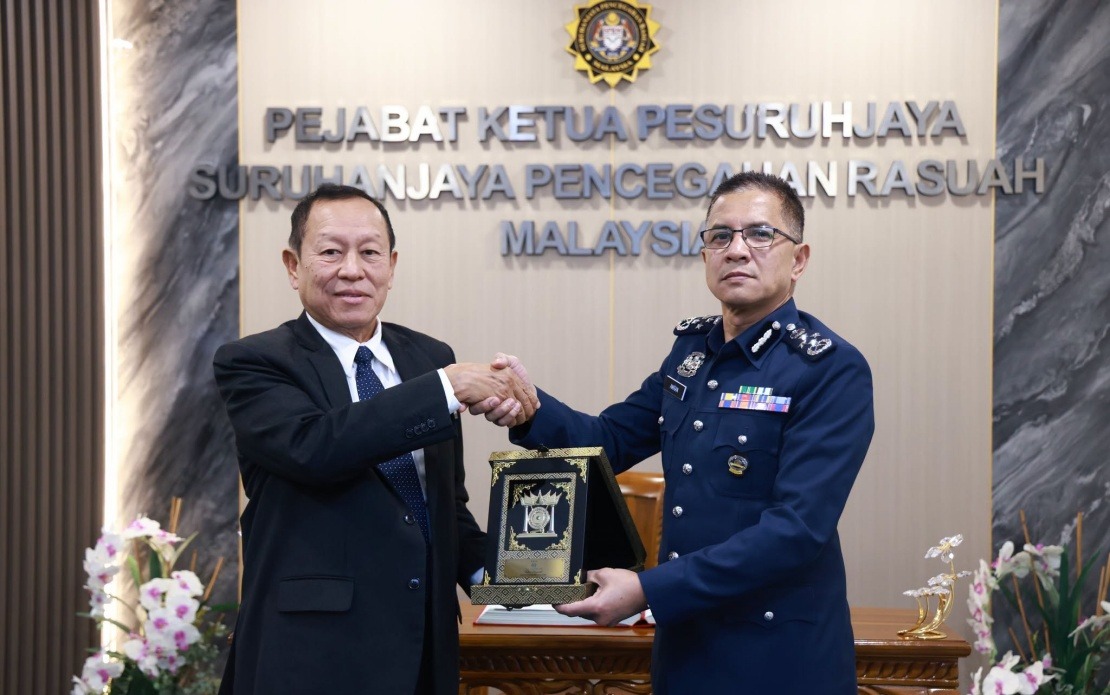
The Malaysian Anti-Corruption Commission and the Royal Malaysian Customs Department are moving forward with plans to create a dedicated task force aimed at bolstering enforcement activities and revenue collection monitoring across the country's major ports. The initiative emerged from high-level talks at MACC headquarters in Putrajaya on July 15, during which JKDM director-general Datuk Amran Ahmad met with MACC chief commissioner Datuk Seri Abd Halim Aman to discuss operational challenges and collaborative opportunities. The proposal represents a strategic recognition that port security and customs compliance require coordinated efforts across multiple government agencies, particularly given Malaysia's critical role as a regional shipping hub.
The hour-long meeting served as more than a courtesy exchange, functioning instead as a working session to identify areas where the two bodies could pool resources and expertise. Both agencies took the opportunity to discuss the operational hurdles they encounter in their respective mandates, with particular attention to customs inspection procedures and the bureaucratic obstacles that can slow clearance processes. By bringing leadership from both organizations together, the discussion aimed to break down institutional silos and create frameworks for smoother inter-agency cooperation, a persistent challenge in Malaysian government administration.
A central focus of the deliberations concerned leakage in container management systems across Malaysian ports. The customs department has identified vulnerabilities in how goods moving through the nation's ports are tracked and verified, creating opportunities for revenue evasion and contraband movement. These gaps are not merely administrative inconveniences; they represent tangible financial losses to the government and undermine the integrity of Malaysia's import-export regulatory framework. The task force would be positioned to conduct regular audits and implement real-time monitoring protocols to tighten oversight of container flows and ensure proper documentation.
JKDM officials briefed MACC leadership on sophisticated tactics employed by smuggling syndicates to circumvent customs requirements and tax obligations. These operations extend beyond simple smuggling to include deliberate falsification of information and forged documentation submitted under various import and export approvals. The syndicates have evolved their methods to exploit procedural gaps and bureaucratic complexity, suggesting that traditional enforcement approaches alone may be insufficient. By involving MACC's investigative capabilities and anti-corruption expertise, the task force could apply forensic investigation techniques to uncover organized networks behind port-based criminal activity.
Among the specific schemes identified was a money laundering variant involving false cash declarations. Individuals or organizations bring currency into Malaysia but deliberately understate the amount in official declarations, effectively smuggling capital while appearing to comply with reporting requirements. This modus operandi has broader implications for Malaysia's compliance with international anti-money laundering standards and raises concerns about the potential connection between port-based smuggling and financing of illicit activities. Detection of such patterns requires not just customs vigilance but also financial intelligence capabilities that MACC brings to the partnership.
The customs department has actively welcomed MACC's involvement, particularly the anti-corruption commission's capacity to conduct integrity training and cultural reform initiatives among port personnel. JKDM director-general Amran acknowledged that the integrity of the workforce is fundamental to effective enforcement, as corruption within customs ranks can directly facilitate smuggling and revenue leakage. MACC's established programs in integrity cultivation could help establish stronger ethical standards among port officials and reduce the vulnerability of the system to internal compromise.
Representing MACC in the working-level discussions were Investigation Division senior director Datuk Mohd Hafaz Nazar and other senior officials, while JKDM's Integrity branch head Azian Umar participated on behalf of customs. The presence of these officials signals that both agencies intend to move quickly from discussion to implementation. The involvement of integrity-focused personnel suggests the task force will combine traditional enforcement with preventive measures targeting corruption within the system itself.
For Malaysian business and the broader economy, this development carries significant implications. Enhanced port enforcement could increase compliance costs and processing times in the short term, potentially raising logistics expenses for legitimate importers and exporters. However, the longer-term benefits of reduced smuggling and more predictable regulatory environments may offset these costs by creating a level playing field and reducing unfair competition from contraband goods. Industries particularly vulnerable to smuggling—such as consumer goods, pharmaceuticals, and luxury items—stand to benefit from stronger border controls.
Regionally, Malaysia's move reflects broader Southeast Asian concerns about port security and customs modernization. As a major transhipment hub with significant trade flows, Malaysian ports are attractive targets for smuggling networks operating across the region. A more robust enforcement framework could enhance Malaysia's reputation with international trading partners and strengthen its position in supply chain security initiatives. The task force model, if successful, could become a template for other agencies or even neighboring countries seeking to strengthen enforcement coordination.
The establishment of this task force also signals evolving recognition within Malaysian government that complex enforcement challenges require integrated responses rather than siloed departmental approaches. The customs department and anti-corruption commission have historically operated with separate mandates and organizational cultures, but the overlapping nature of port-based illicit activities necessitates closer collaboration. This institutional learning may have broader applications as other government bodies face increasingly sophisticated regulatory challenges.
Looking forward, the success of this task force will depend on translating agreement into concrete operational protocols and sustained resource commitment. The agencies must establish clear lines of authority, information-sharing procedures, and performance metrics to measure impact. They will also need to manage the inherent tensions between security objectives and trade facilitation, ensuring that enhanced oversight does not become an excessive burden on legitimate commerce. The initiative represents a positive step toward more sophisticated governance of Malaysia's critical port infrastructure, though implementation challenges remain significant.

