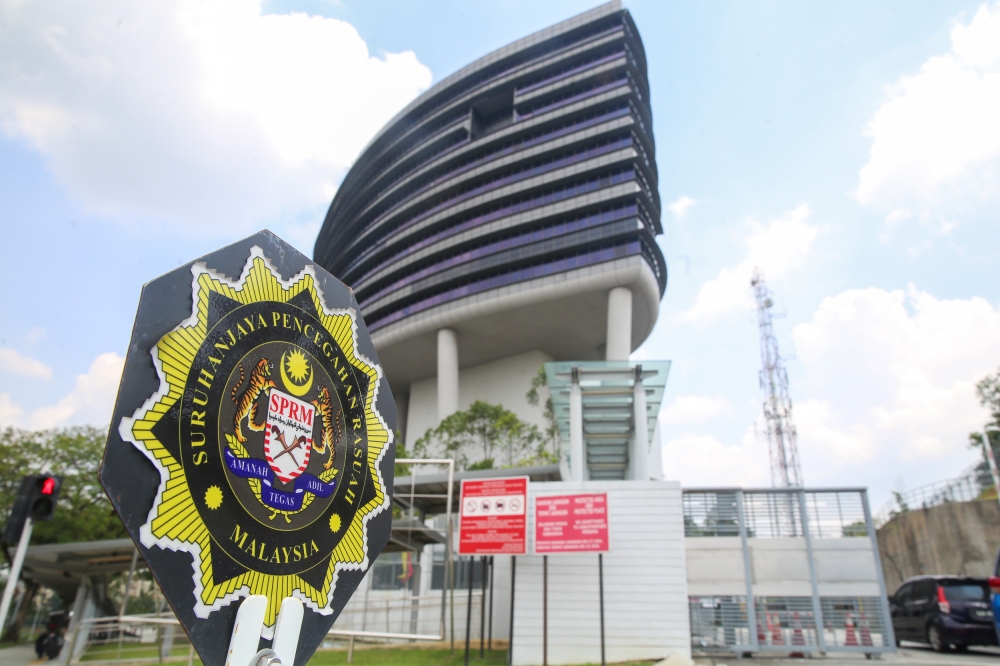
The Malaysian Anti-Corruption Commission has expanded its crackdown on alleged misconduct within the immigration sector, detaining five more officers suspected of involvement in an unauthorized breach of the MyIMMs portal. The arrests in Putrajaya represent a significant escalation in what has become an increasingly serious probe into how the government's primary immigration management system became compromised.
MyIMMs serves as the cornerstone of Malaysia's digital immigration infrastructure, handling applications, approvals, and administrative processes that affect millions of residents and visitors annually. The system's integrity is crucial to border security and the administration of entry and exit protocols across the country. Any breach threatens not only operational security but also public confidence in the government's capacity to safeguard sensitive personal data.
The five officers join several colleagues already apprehended in connection with the same allegations. The widening net of arrests suggests that investigators have identified a network of individuals potentially involved in facilitating unauthorized access to the system. This pattern indicates the breach may not have been a singular act but rather a coordinated or opportunistic exploitation involving multiple personnel who either directly participated or enabled the unauthorized access through their positions and credentials.
The specifics of how these individuals allegedly compromised MyIMMs remain under investigation. Authorities typically probe whether suspects misused their legitimate system access, shared credentials with external parties, or actively assisted in circumventing security protocols. Immigration officers hold privileged access to the database as part of their routine duties, making them strategically positioned to facilitate breaches if they chose to cooperate with malicious actors or act corruptly for personal gain.
The MACC's involvement underscores the commission's assessment that this matter extends beyond ordinary system security failures into the realm of corruption and abuse of office. When government employees leverage their positions to enable unauthorized access to sensitive databases, the conduct typically violates anti-corruption legislation alongside cybersecurity and data protection laws. This multi-layered legal dimension means investigations often involve different enforcement agencies working in coordination.
MyIMMs breaches carry implications that extend well beyond administrative inconvenience. Access to immigration records provides insight into movement patterns, visa statuses, and personal information of Malaysian citizens and foreign nationals. Depending on how extensively the system was compromised, bad actors could theoretically identify individuals for targeting, verify travel histories, or obtain personal data for fraudulent purposes. The potential downstream harms from such a breach make swift investigation and prosecution essential.
The incident reflects broader vulnerability challenges confronting Malaysia's digital government infrastructure. As more critical services migrate online—from immigration to taxation to healthcare—the security of these platforms becomes increasingly vital to national functioning. Breaches involving human complicity, whether through negligence or active corruption, expose systemic weaknesses that cannot be addressed through technology alone. Organizational culture, personnel vetting, access controls, and supervision all factor into preventing insider threats.
For Malaysia's international standing, the investigation's outcome matters considerably. Regional trading partners and developed nations monitor how countries manage cybersecurity breaches, particularly those involving government systems and data protection. A thorough investigation and proportionate prosecutions help demonstrate commitment to security standards that international partners expect. Conversely, perception that such breaches are inadequately addressed can influence investment decisions, travel protocols, and diplomatic relationships.
The timing of these arrests comes amid broader global concern over data security in Southeast Asia. The region has experienced numerous high-profile breaches affecting government and private sector organizations. Malaysia's response to this immigration system compromise will signal to other countries and private entities the seriousness with which the government treats cybersecurity violations. A robust investigation and prosecution can deter similar misconduct elsewhere in government.
Immediate consequences for the arrested officers include suspension or termination from their positions, criminal prosecution, and potential imprisonment if convicted. Beyond individual consequences, the immigration department faces institutional challenges in rebuilding public confidence, implementing enhanced security protocols, and reinforcing ethical standards across the organization. The breach necessitates comprehensive security audits and likely upgrades to monitoring systems that detect unusual access patterns.
The investigation's scope will determine whether the breach extended to other government systems or remained isolated to MyIMMs. Immigration officers often hold access to interconnected databases involving customs, health records, or law enforcement information. Establishing clear boundaries around what was accessed helps authorities assess the full extent of compromise and determine whether other investigations should commence.
Moving forward, the case will likely prompt policy discussions about immigration system security, including whether additional safeguards should be implemented, how frequently access should be audited, and what training or vetting procedures should be strengthened. The MACC's investigation thus serves not only to hold individuals accountable but also to illuminate systemic weaknesses requiring institutional reform.

