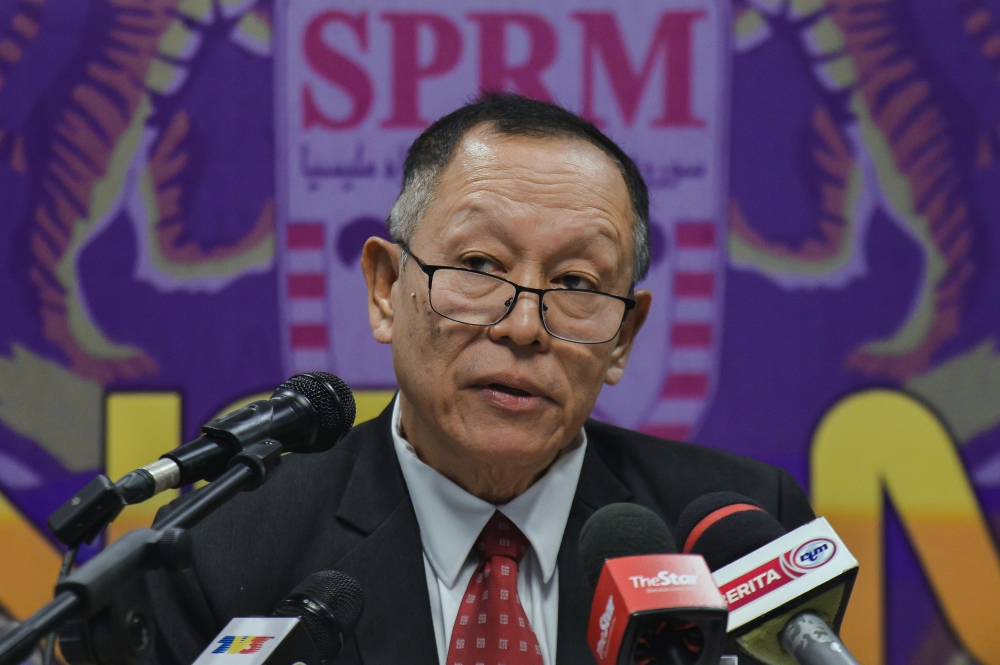
The Malaysian Anti-Corruption Commission moved decisively this week to detain the former chief executive officer and chief financial officer of a major plantation company, accusing them of abusing their positions of authority in orchestrating a RM370 million deal. The arrests mark an escalation in MACC's efforts to root out misconduct within Malaysia's significant agricultural and agribusiness sector, where large-scale transactions have drawn closer regulatory examination in recent years. The case underscores growing concerns about transparency and accountability in major corporate acquisitions, particularly those involving substantial capital deployment and stakeholder interests.
The specifics surrounding the alleged misconduct centre on how the two senior executives utilised their institutional authority to facilitate the transaction. Investigators suspect that the executives exploited their command positions to bypass standard governance procedures and approval mechanisms that ordinarily safeguard shareholder and institutional interests. Such conduct, if substantiated, would constitute a serious breach of fiduciary duty and represent a fundamental violation of corporate governance principles that companies are mandated to uphold under Malaysian law and regulatory frameworks.
The RM370 million transaction in question represents a substantial capital movement within Malaysia's plantation industry, a sector that remains integral to the country's economic output and export revenue. The scale of the alleged irregularity highlights how even significant institutional players may face scrutiny when their decision-making processes are questioned. For Malaysian investors and stakeholders monitoring corporate accountability, the case demonstrates that leadership positions confer neither immunity nor special dispensation from anti-corruption enforcement, regardless of seniority or past corporate standing.
MACC's intervention reflects the commission's expanded mandate and investigative capacity over recent years. The agency has progressively targeted white-collar offences and corporate-level misconduct with greater intensity, moving beyond traditional corruption cases to examine how executives exercise delegated authority. This approach aligns with international best practices in anti-corruption enforcement and reflects Malaysia's commitment to improving its standing on global governance indices, where corporate accountability remains a closely monitored metric.
The plantation sector itself carries particular significance for Malaysia's economy and regional standing. As a major global producer of palm oil and other plantation commodities, Malaysia's industry reputation depends heavily on demonstrating robust governance standards and ethical business practices. Investigations into executive misconduct within leading plantation companies therefore carry broader implications for investor confidence and the sector's international credibility. Malaysia has faced sustained criticism from international observers regarding sustainability and governance standards in agribusiness, making internal enforcement efforts especially consequential for the country's economic reputation.
The detention and investigation process will likely extend over coming weeks, with authorities examining documentary evidence, financial records, and testimonies from relevant parties. The seriousness with which MACC has acted—moving swiftly to arrest figures of this prominence—suggests investigators have assembled sufficient preliminary material to justify detention and interrogation. The formal charging process, should it proceed, will constitute a landmark case with potential implications for how corporate governance standards are interpreted and enforced across Malaysia's business landscape.
Corporate governance experts note that cases of this nature typically involve complex examinations of board-level decision-making, the distribution of authority within corporate hierarchies, and the mechanisms through which executives exercise discretionary power. The investigation will probably scrutinise how approvals were obtained, whether proper channels were followed, and whether other board members or stakeholders were adequately informed of the transaction's details and rationale. Such patterns often illuminate systemic weaknesses in corporate oversight that extend beyond the individual wrongdoing of specific executives.
For Malaysian enterprises and multinational corporations operating within the country, the case carries cautionary implications regarding compliance obligations and governance expectations. Companies must ensure their executive teams operate within clearly defined authority parameters and that substantial transactions receive appropriate board-level scrutiny and approval. Directors and senior managers face personal liability exposure when their decisions circumvent established procedures, regardless of whether those decisions ultimately prove financially beneficial to the organisation. MACC's activism in this space reflects Malaysia's determination to enforce accountability standards more rigorously than in previous decades.
The broader context includes Malaysia's ongoing efforts to strengthen institutional credibility following earlier corruption scandals that damaged public confidence in governance standards. Successive administrations have prioritised anti-corruption messaging and enforcement as central to their reform agendas. High-profile prosecutions of senior corporate figures serve multiple purposes: they deter similar misconduct, demonstrate institutional commitment to accountability, and signal to international observers that Malaysia takes governance seriously. The detention of a former CEO and CFO, regardless of the eventual case outcome, reinforces these messages to the business community and the investing public.
Regional observers are monitoring how Malaysian authorities prosecute such cases, as they may establish precedents influencing corporate governance standards across Southeast Asia. Malaysia's approach to executive accountability potentially influences how neighbouring jurisdictions approach similar matters, making individual cases contribute to broader regional patterns in governance enforcement. The investigation's trajectory and ultimate resolution will therefore resonate beyond Malaysia's borders, shaping perceptions of how the region's leading economies address corporate misconduct at the highest levels.
The allegations against the two executives, if substantiated and prosecuted successfully, would represent significant consequences for individuals who previously held positions of considerable authority and responsibility. Beyond the immediate legal implications, such cases typically result in professional disqualification, reputational damage, and potential civil liability—consequences that extend well beyond any criminal penalties imposed by courts. For other corporate leaders observing these developments, the case illustrates that executive position and past achievement offer no protection against accountability for misconduct.

