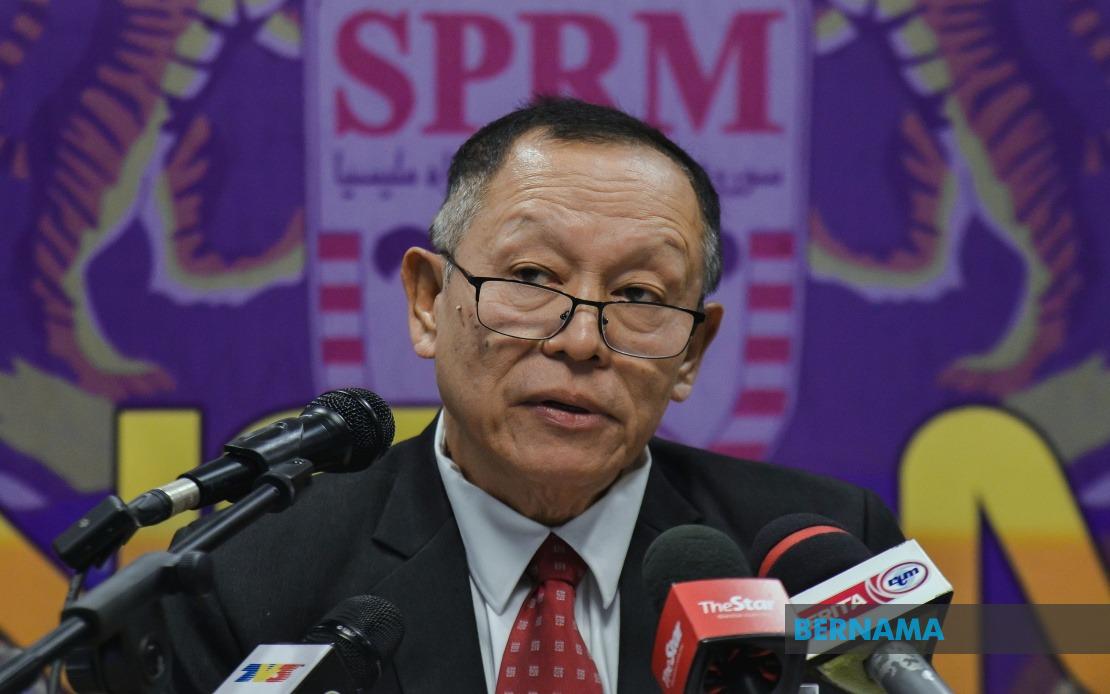
The Malaysian Anti-Corruption Commission (MACC) has wrapped up its comprehensive questioning of a former chief financial officer connected to Lembaga Tabung Haji, concluding a four-day intensive session that delved into allegations of power abuse centred on a substantial share acquisition. According to MACC chief commissioner Datuk Seri Abd Halim Aman, the questioning concluded on the evening of August 7, with the final session running from 9am to 6.30pm, marking the completion of the commission's evidence-gathering phase from this particular witness in relation to the controversial transaction.
At the heart of the investigation lies an alleged misuse of authority involving the purchase of shares in two plantation companies valued at approximately RM370 million. The transaction, which raised red flags during a Royal Commission of Inquiry (RCI) into Tabung Haji's operations and governance, has become a focal point for anti-corruption efforts aimed at scrutinising how major financial decisions were made within the pilgrim management institution. The RCI report specifically highlighted concerns about the acquisition process and the decision-making framework that authorised such a significant outlay of public funds.
Tabung Haji, formally known as Lembaga Tabung Haji, functions as Malaysia's official pilgrimage savings and management body, accumulating and safeguarding funds from millions of Muslim Malaysians intending to perform the Hajj. The statutory body's involvement in substantial commercial investments has long been a matter of public interest, particularly when such investments deviate from its core mandate or appear questionable from a governance standpoint. The RM370 million share purchase therefore represents a considerable portion of the institution's financial resources and raises legitimate questions about investment strategy and accountability.
The individual questioned by the MACC, described as a 60-year-old former executive, provided statements over the extended interrogation period. Notably, both this former CFO and the company's former chief executive officer voluntarily presented themselves at MACC headquarters on the preceding Tuesday to provide their testimonies. The fact that both senior officials cooperated with the investigation by initiating contact with authorities suggests either willingness to clarify their positions or acknowledgment of the seriousness with which the commission treats governance breaches within public institutions.
The investigation methodology employed by the MACC reflects standard practice in complex financial enquiries where reconstructing decision-making processes, tracing communications, and establishing accountability chains require extensive questioning across multiple sessions. The four-day duration suggests investigators required substantial time to examine documentation, clarify transactions, and explore the administrative hierarchy and approvals that enabled the share purchase. Each day's interrogation likely built upon previous sessions, with investigators progressively narrowing their understanding of potential irregularities.
For Malaysian readers and observers of public governance, this investigation carries broader significance beyond the immediate financial transaction. Tabung Haji manages billions of ringgit entrusted by ordinary Malaysians, making transparency and proper stewardship essential public concerns. Any evidence of abuse of authority in deploying these funds strikes at the heart of public trust in institutions responsible for safeguarding citizens' savings. The RCI mechanism itself, which triggered this investigation, demonstrates government commitment to examining institutional performance and investigating alleged misconduct at senior levels.
The plantation sector connection is also noteworthy, as Malaysia's agricultural and plantation industries have historically experienced their share of governance challenges and environmental controversies. An investment of RM370 million in this sector by a pilgrim fund raises questions about diversification strategy, risk management, and whether such allocations align with fiduciary responsibilities toward individual account holders. Investors in Tabung Haji expect their funds to be managed conservatively and prudently, consistent with the institution's character as a savings mechanism rather than a speculative venture capital fund.
The MACC's deliberate and comprehensive approach to this matter reflects the commission's institutional priorities under current leadership. By conducting extended questioning over multiple days rather than brief interrogations, investigators demonstrate commitment to building substantive cases based on detailed evidence rather than superficial inquiries. This methodology, while time-consuming, strengthens investigative findings and supports potential prosecutorial action should evidence warrant formal charges.
As the investigation progresses beyond this statement-taking phase, subsequent steps may include document verification, interviews with other officials who participated in or approved the transaction, and examination of board minutes, investment rationales, and approval chains. The completion of this particular witness's interrogation represents a milestone but not necessarily the investigation's conclusion, as multiple other parties may require questioning to establish full accountability and circumstantial context around the RM370 million transaction.

