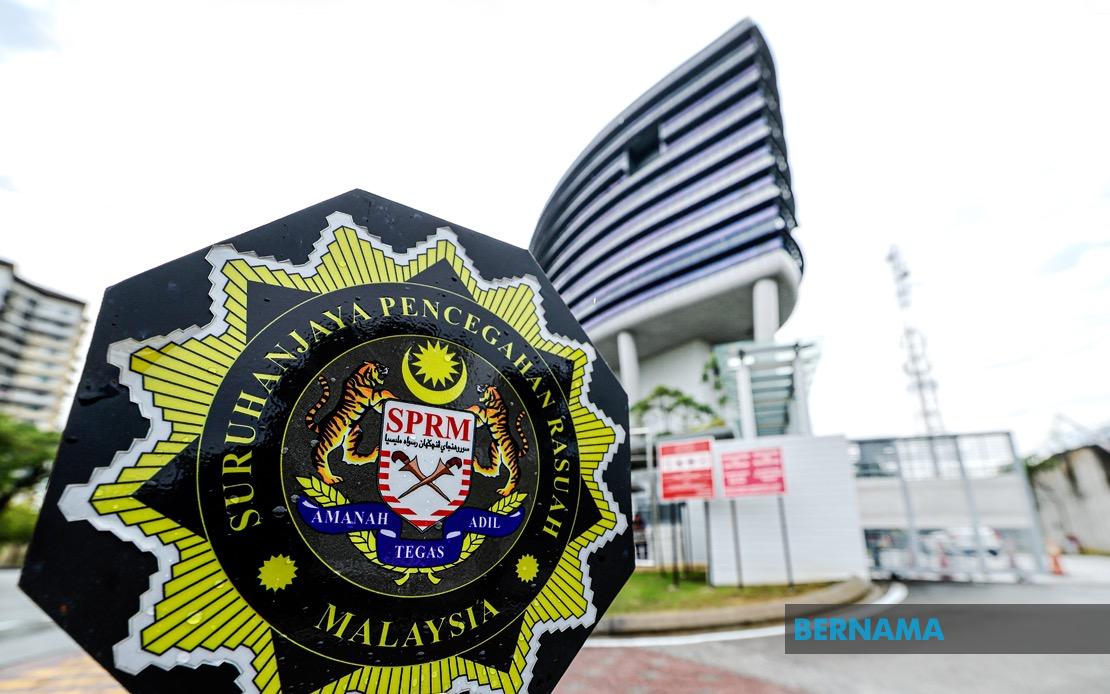
The Malaysian Anti-Corruption Commission (MACC) has begun a comprehensive investigation into the RM200 million investment loss incurred by the Retirement Fund (Incorporated) (KWAP) in Indonesian aquaculture technology company eFishery, with investigators already collecting statements from ten witnesses who held decision-making roles in the transaction. The initial phase of the probe has documented accounts from senior personnel at KWAP and the Ministry of Finance who were directly involved in approving and overseeing the controversial investment, which represents a significant financial setback for Malaysia's largest pension fund.
According to MACC chief commissioner Datuk Seri Abd Halim Aman, the fact-gathering exercise commenced on Tuesday and has now reached completion for this preliminary round of interviews. The investigation team is simultaneously undertaking detailed scrutiny of the statements and documentary evidence collected thus far, while conducting financial trail analysis through cash transaction reports and suspicious transaction reports to trace the movement of funds. This multi-pronged approach signals the MACC's determination to establish a clear picture of how the investment decision proceeded and where accountability may lie.
The scope of the investigation extends beyond routine financial oversight, encompassing potential breaches of criminal law relating to corruption, misuse of official position and unlawful appropriation of funds. Investigators are also examining the governance architecture surrounding the investment, including whether established financial procedures were followed, whether legal compliance standards were met, and crucially, how the investment decision itself was formulated and approved. This broader mandate suggests the MACC suspects systemic failures rather than isolated errors in judgment.
The investigative machinery has been specially assembled for this task, with a senior director of the Investigation Division heading a dedicated task force that brings together expertise from the Investigation, Legal and Prosecution, and Governance Investigation divisions. This inter-divisional structure allows the MACC to pursue multiple angles simultaneously—examining both the financial irregularities and the institutional weaknesses that may have permitted them to occur undetected. The formal investigation launched on July 17, with physical document retrieval from KWAP's offices beginning on July 20.
Among the materials being examined are the original investment proposal documentation, due diligence reports that would have been prepared before the commitment was made, records of site visits to eFishery's facilities, minutes from meetings where the investment was discussed and decided upon, internal KWAP investment procedure manuals, and the fund's own financial records. The comprehensiveness of this documentation review underscores the MACC's intent to verify whether proper protocols were observed or whether corners were cut in the approval process. Any deviation from standard procedures could indicate where negligence or intentional misconduct occurred.
The investigation extends beyond Malaysia's borders, as the MACC has identified several overseas parties whose testimony would advance the inquiry. To compel statements from international witnesses, the MACC will pursue Mutual Legal Assistance in Criminal Matters (MACMA) through the Attorney General's Chambers, a formal mechanism for obtaining evidence and cooperation from other jurisdictions. This international dimension reflects the reality that eFishery's management and key decision-makers involved in the alleged financial irregularities are located outside Malaysia, making cross-border cooperation essential.
The Ministry of Finance has previously acknowledged that KWAP fell victim to organized fraud perpetrated through the manipulation of eFishery's financial statements by the company's management. This official admission confirms that the problem originated with deliberate falsification of records rather than mere accounting errors or optimistic projections. The investor consortium, which included KWAP alongside other institutional investors, has already initiated legal action against the company and is pursuing multiple avenues for fund recovery. Additionally, the consortium has undertaken internal governance reviews and implemented enhanced controls to prevent similar losses in future.
Media investigations have revealed that eFishery engaged in systematic inflation of its revenue figures, suggesting a broader pattern of financial deception designed to make the company appear more profitable and stable than reality warranted. KWAP's investment of approximately US$47.7 million (RM200 million) was committed during the company's Series D funding round in 2023, a period when the Indonesian startup was presenting itself as a promising player in Southeast Asian agricultural technology. The fraudulent misrepresentation of eFishery's financial health constitutes the core criminal allegation underlying the MACC's investigation.
For Malaysian observers and pension fund members, this case carries troubling implications regarding institutional oversight and investment governance. KWAP manages retirement savings for Malaysia's civil servants, making the loss of such a substantial sum a matter of public concern extending beyond mere corporate accountability. The fact that multiple senior officials were involved in the investment decision raises questions about where oversight failed and whether any individual should bear criminal responsibility for approving such a significant allocation to a relatively young company with limited track record. The MACC's investigation will ultimately determine whether the decision reflected reasonable professional judgment or whether negligence, conflict of interest, or other misconduct explains how such a fraudulent investment proposal was accepted.
The investigation team has indicated that additional witnesses remain to be interviewed, particularly members of the Finance Committee and the KWAP Investment Panel whose roles were foundational to the investment approval. These individuals will face scrutiny regarding what due diligence they conducted, what questions they raised, and why concerns about financial authenticity did not emerge before capital was transferred. MACC chief commissioner Abd Halim has pledged that the investigation will be thorough, transparent and impartial, with investigators instructed to examine every aspect of the transaction meticulously. He acknowledged that the probe remains in early stages and cautioned against premature conclusions.
The timing and scale of the MACC's response reflects recognition that this case touches on governance at the highest levels of Malaysia's pension administration and involves an institutional investor's catastrophic misjudgment or victimization. Beyond the immediate financial loss, the investigation addresses broader questions about investment due diligence practices, international corporate fraud detection, and how Malaysian institutions can better protect public retirement assets. The involvement of overseas parties and the need for international legal assistance add complexity to the investigation, but the MACC appears determined to pursue accountability wherever evidence leads.

