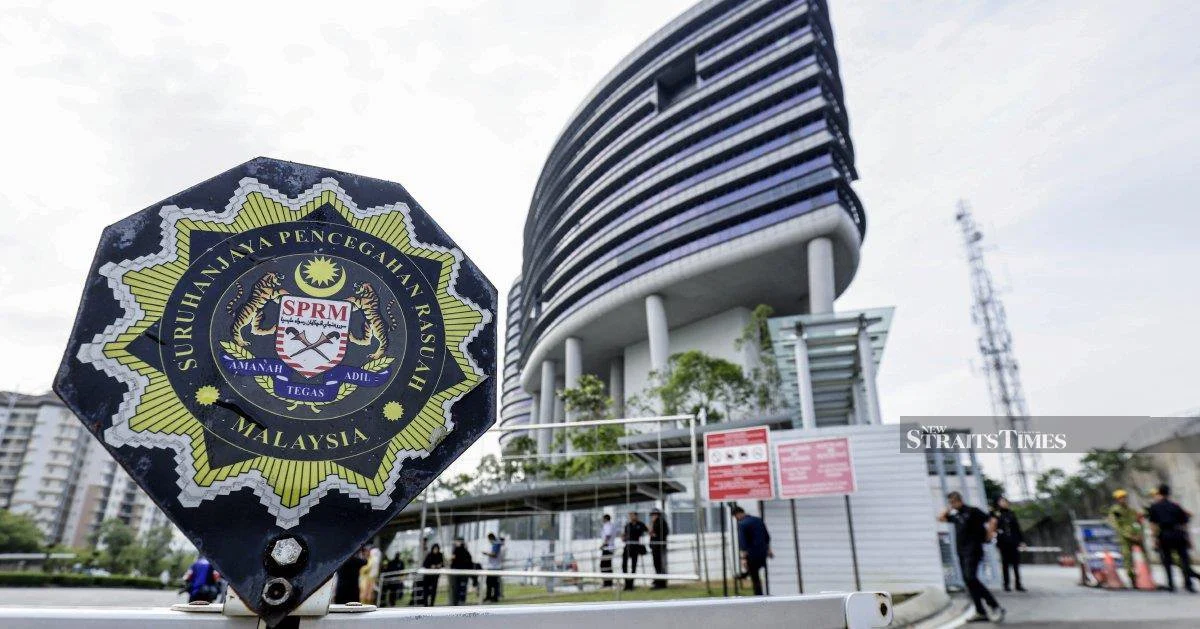
The Malaysian Anti-Corruption Commission has launched a comprehensive inquiry into the administrative and structural deficiencies underlying the Daya Kerjaya 2.0 employment incentive programme, widening its investigation beyond individual misconduct to examine how the scheme's framework may have enabled fraudulent activities. As part of this broader examination, the agency will scrutinise governance lapses and procedural shortcomings that allowed an estimated RM9 million in fraudulent claims to slip through the programme's oversight mechanisms.
The decision to investigate systemic weaknesses rather than focus solely on individual wrongdoing represents a significant shift in approach by the anti-corruption body. Such investigations are crucial for understanding not just who committed fraud, but how the scheme's design and implementation created vulnerabilities that malefactors could exploit. This two-pronged investigation strategy allows authorities to address root causes while holding specific individuals accountable, ultimately strengthening the integrity of government employment programmes.
Daya Kerjaya 2.0 is a crucial employment stimulus initiative designed to support job creation and worker development across Malaysia. The programme provides incentives to employers and participants, making it a significant government intervention in the labour market. The discovery of substantial fraudulent claims therefore carries implications far beyond the immediate financial loss, raising questions about how effectively such programmes can be monitored and how public resources are protected in large-scale employment schemes.
The RM9 million in alleged fraudulent claims represents a considerable leakage from a scheme intended to benefit genuine job seekers and employers. Such losses erode public confidence in government initiatives and can undermine support for future employment programmes, even those well-designed and properly administered. The scale of the fraud suggests that vulnerabilities in the system were not isolated or incidental, but potentially systematic enough to warrant investigation at the governance level.
Governance weaknesses in employment schemes typically include inadequate verification procedures, insufficient documentation requirements, weak separation of duties among administrators, and insufficient real-time monitoring mechanisms. The MACC's examination will likely assess whether Daya Kerjaya 2.0 possessed sufficient internal controls to detect and prevent false claims, whether staff had adequate training in fraud detection, and whether information systems were robust enough to flag suspicious patterns in applications and disbursements.
Procedural vulnerabilities might encompass issues such as expedited approval processes that bypass thorough vetting, insufficient cross-checking between claimants and relevant databases, and inadequate post-disbursement audits. If the scheme relied heavily on manual processes or lacked integrated digital systems for tracking claims and payments, such inefficiencies could have created opportunities for fraud to proliferate undetected across multiple applications and administrators.
The broader implications for Malaysian public administration are significant. Employment schemes are frequently used across Southeast Asia as policy tools to address joblessness, particularly among youth and disadvantaged populations. Systemic failures in Daya Kerjaya 2.0's governance could suggest similar vulnerabilities in other government programmes that operate at comparable scale and complexity. This investigation may therefore provide valuable lessons applicable across multiple government agencies and initiatives.
Government credibility depends substantially on the effective management of public funds and the prevention of misuse. When large sums disappear through fraud, it damages not only the specific programme but also public trust in government institutions more broadly. Malaysian taxpayers deserve assurance that their contributions are protected and that government officials have implemented robust systems to prevent theft and misuse. The MACC's proactive investigation into governance weaknesses demonstrates a commitment to restoring such assurance.
The investigation will likely examine how Daya Kerjaya 2.0 was designed, approved, and implemented, identifying points where oversight could be strengthened. This might include reviewing approval processes, auditing procedures, staff competency standards, and technological infrastructure. Recommendations emerging from this inquiry could inform improvements not only in this programme but also in how similar schemes are structured and managed across government.
Addressing governance weaknesses requires coordination between multiple stakeholders—the MACC, the responsible implementing agency, the finance ministry, and potentially other oversight bodies. Reforms stemming from this investigation should balance the need for robust fraud prevention with maintaining programme accessibility and avoiding excessive bureaucracy that discourages legitimate applicants.
The investigation into Daya Kerjaya 2.0 also underscores the importance of continuous auditing and real-time monitoring in large government programmes. Modern information systems can flag unusual patterns and enable rapid verification, substantially reducing fraud risk. As government programmes become increasingly digitised across Southeast Asia, incorporating advanced analytics and automated controls becomes essential for protecting public resources.
For Malaysian workers and employers depending on employment incentive schemes, this investigation should ultimately strengthen programme integrity. While immediate disruptions might affect operations, long-term improvements to governance and procedural controls will enhance the legitimacy of future initiatives. Restoring public confidence in employment schemes ensures these programmes can continue serving their intended purpose of supporting job creation and skills development.