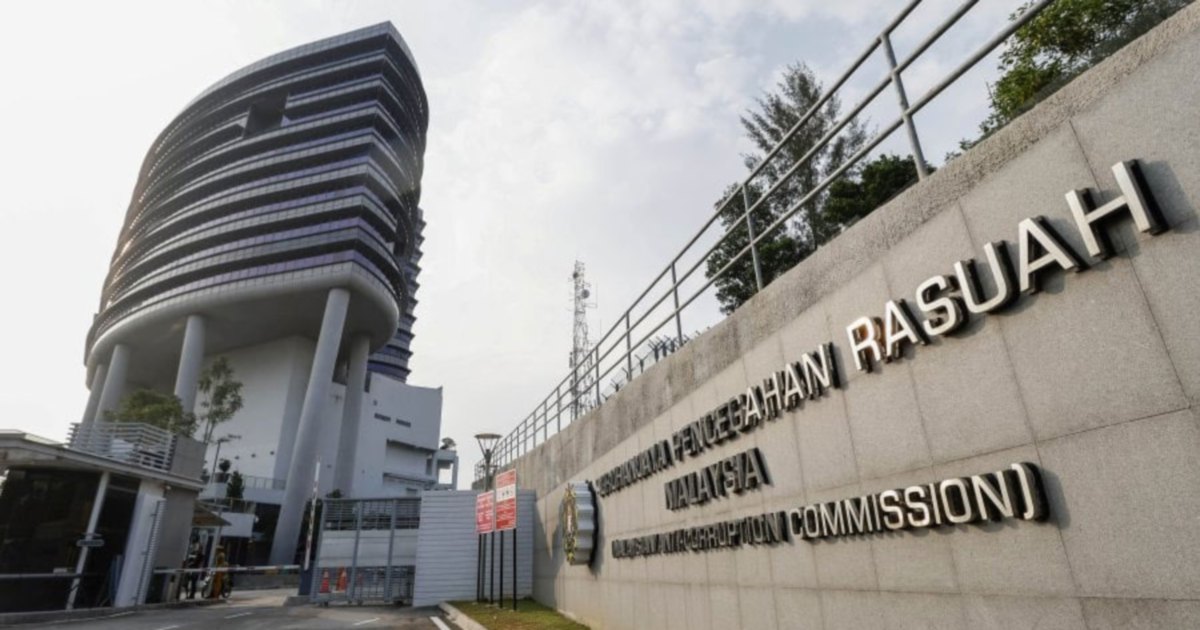
The Malaysian Anti-Corruption Commission has stepped up its scrutiny of a major investment debacle at the country's retirement fund, with investigators making a formal visit to the Retirement Fund Inc headquarters in Kuala Lumpur during the week. The enforcement agency is examining circumstances surrounding the fund's reported RM200 million loss following its venture into Indonesian aquaculture technology through eFishery, signalling mounting concern over how the substantial capital was deployed and managed.
The KWAP investment in eFishery represents a significant financial misadventure for Malaysia's civil service retirement scheme, which manages hundreds of billions of ringgit in savings for millions of pensioners and civil servants nationwide. The fund's exposure to the Indonesian aquaculture technology sector, despite its strategic positioning as a high-growth opportunity in Southeast Asia's digital agriculture space, resulted in substantial losses that warrant regulatory investigation. The involvement of MACC indicates authorities suspect potential impropriety in the decision-making process, investment oversight, or fund governance that may have contributed to the erosion of pensioner assets.
EFishery operates as an agricultural technology platform focused on shrimp farming and aquaculture management across Southeast Asia. The company leverages digital tools and artificial intelligence to optimise farming operations, supply chain logistics, and product distribution for aquaculture producers. For Malaysian investors seeking exposure to Indonesia's growing agricultural technology sector and the region's expanding seafood industry, such investments initially appeared strategically sound. However, the venture's failure to deliver projected returns and the substantial losses reported by KWAP suggest significant operational or market challenges materialised that were either inadequately assessed during due diligence or poorly managed throughout the investment lifecycle.
The RM200 million figure represents a material loss for KWAP and raises critical questions about investment committee governance, risk assessment protocols, and oversight mechanisms within the fund. Malaysia's retirement savings institutions operate under fiduciary obligations to protect member contributions and ensure prudent capital allocation. When investments of this magnitude underperform severely, questions invariably arise regarding the expertise and independence of decision-makers, the adequacy of independent advisory processes, and whether conflicts of interest may have influenced capital deployment decisions. MACC's involvement suggests investigators are examining whether any individuals within KWAP's governance structure may have acted contrary to the fund's interests or those of its beneficiaries.
The probe carries significant implications for fund governance standards across Malaysia's institutional investment landscape. Pension and retirement funds manage vast sums accumulated through decades of member contributions, making them custodians of working Malaysians' financial security in retirement. When substantial losses occur, whether through genuine investment miscalculation or procedural breaches, the entire ecosystem of institutional fund management faces heightened scrutiny. Other Malaysian funds and investment boards will likely face increased pressure to demonstrate robust governance frameworks, independent risk assessment capabilities, and transparent decision-making processes to reassure members that their assets are safeguarded against similar mishaps.
For the broader region, this incident underscores the risks inherent in Southeast Asian venture capital and growth-stage technology investments, particularly when made by conservative institutional investors unfamiliar with the volatility of agricultural technology or early-stage start-up ecosystems. eFishery's Indonesian operations reflect the region's genuine agricultural modernisation opportunities, yet the investment failure highlights how rapidly market conditions, competitive dynamics, and operational challenges can erode value in emerging technology sectors. Malaysian investors considering similar cross-border technology investments must now navigate heightened regulatory attention and institutional resistance following this visible loss.
The timing of MACC's investigation also reflects broader governance reforms within Malaysia's public sector institutions. Recent years have witnessed elevated scrutiny of how government-linked entities, sovereign wealth funds, and pension schemes deploy capital. Public expectations for transparency and accountability in managing state-linked financial assets have risen considerably, particularly where members' retirement savings are at stake. Investigators will likely examine investment committee composition, the engagement of external advisers, market entry and exit decisions, and whether any whistleblower complaints preceded the eventual loss recognition.
KWAP's position as Malaysia's civil service retirement fund carries institutional weight and public trust expectations distinct from commercial investment vehicles. The fund's members are current and former government employees whose contributions are often compulsory and whose retirement security depends on prudent management. When such funds experience losses on the scale reported, the reputational and institutional consequences extend beyond financial metrics to encompass confidence in public sector institutions themselves. Thorough investigation and transparent communication regarding findings become essential to restoring stakeholder confidence.
The investigation's progression will likely determine whether governance reforms, management changes, or enforcement actions become necessary at KWAP. For Malaysian investors and pension fund members, the outcome will signal whether institutional safeguards function effectively to protect retirement assets, or whether systemic vulnerabilities in investment governance require strengthening. As MACC deepens its inquiry into the eFishery investment, the broader question of how Malaysia's institutional funds navigate international venture opportunities while maintaining fiduciary responsibility remains squarely in focus.

