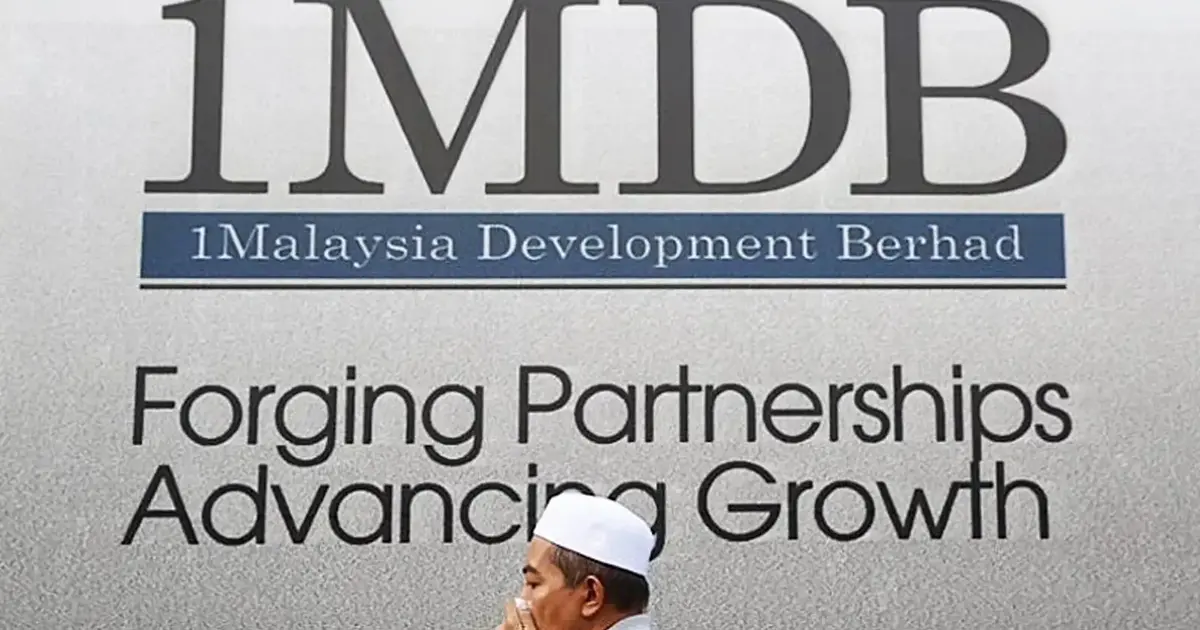
The Malaysian Anti-Corruption Commission has begun a formal investigation into a substantial portfolio of overseas properties valued at approximately RM59 million that are allegedly connected to the 1MDB financial scandal. The development signals renewed momentum in efforts to trace and recover assets potentially accumulated through the misappropriation of state funds, more than a decade after the scandal first erupted into public consciousness.
Abd Halim Aman, the MACC's chief, confirmed that the agency is pursuing multiple investigative angles concerning the properties, including examining potential corruption, money laundering, and the feasibility of asset recovery proceedings. His announcement underscores the ongoing challenge authorities face in unraveling the complex international financial networks established during the 1MDB scheme, which at its peak represented one of the largest financial frauds in modern history.
The 1MDB scandal, which centred on the Malaysian sovereign wealth fund of the same name, shocked the nation and reverberated globally after revelations emerged that billions of ringgit had been diverted through intricate offshore channels. The scheme facilitated the accumulation of substantial assets worldwide, including real estate holdings in major financial centres. Despite numerous convictions and asset seizures in Malaysia and internationally, investigators continue identifying previously unknown holdings linked to key figures implicated in the affair.
The focus on overseas properties reflects the international dimension of the original fraud, which exploited gaps between national jurisdictions to obscure the origins and ownership of misappropriated funds. Wealthy nations where the properties are allegedly situated have increasingly cooperated with Malaysian authorities in tracing and freezing such assets, recognizing that cross-border financial crime requires coordinated enforcement responses. The MACC's investigation demonstrates that Malaysia remains committed to the painstaking work of asset recovery despite the complexity involved.
For Malaysian citizens and taxpayers, the identification and recovery of 1MDB-linked assets represents a symbolic and material reclamation of public wealth. The RM59 million in property holdings represents funds that were originally drawn from government coffers and development initiatives, making their recovery a matter of national importance. Each asset identified and pursued through legal channels sends a message that wrongdoers cannot indefinitely shelter stolen wealth abroad.
The investigation's scope extends beyond simple asset identification. The MACC must establish clear chains of custody and beneficial ownership, demonstrating how the properties were acquired and funded through proceeds of corruption and money laundering. This forensic work requires cooperation from foreign governments, financial institutions, and property registry authorities in multiple countries, making coordination and diplomatic engagement essential components of the investigation.
Money laundering remains a particular concern for investigators, as the international property market has historically served as a vehicle for concealing illicit funds. Wealthy real estate holdings in established markets offer both prestige and anonymity, allowing those with criminal proceeds to integrate their wealth into legitimate economic activity. By examining the financial trails leading to property acquisitions, the MACC can potentially establish the illegal origins of the funds and strengthen asset recovery cases.
The renewed push against 1MDB-related assets also reflects evolving international standards regarding beneficial ownership transparency and anti-corruption enforcement. Many jurisdictions have tightened regulations governing foreign property ownership and the disclosure of true beneficiaries, making it increasingly difficult to hide behind shell companies and opaque ownership structures. These regulatory shifts have created new opportunities for authorities to trace previously concealed holdings.
Politically, the investigation carries significance beyond the immediate factual pursuit of assets. It demonstrates that Malaysia's institutions remain engaged in holding accountable those responsible for one of the nation's most serious governance failures, notwithstanding changes in political administration and priorities. Sustained focus on asset recovery reassures the public that justice and restitution remain ongoing concerns despite the passage of time.
The implications for Southeast Asia extend beyond Malaysia's borders. The 1MDB scandal involved transactions across multiple ASEAN nations and beyond, highlighting how financial crime can leverage regional economic connections for illicit purposes. Enhanced cooperation between Southeast Asian countries in pursuing cross-border corruption cases could establish precedents beneficial for regional integrity and investor confidence.
Successful recovery of the RM59 million would represent tangible vindication of Malaysia's investigative capabilities and international partnerships. Each asset retrieved adds to the broader message that ill-gotten gains cannot remain permanently hidden, regardless of distance or complexity. The MACC's investigation accordingly matters not merely as a procedural matter but as a statement about the nation's commitment to accountability and the rule of law.
The coming months will determine whether the investigation successfully establishes ownership links and secures legal remedies for asset recovery. International cooperation, prosecutorial skill, and judicial support will all prove essential to the outcome. For Malaysia, the investigation represents both an unfinished chapter of accountability and an opportunity to demonstrate institutional resilience in pursuing justice through legitimate channels.

