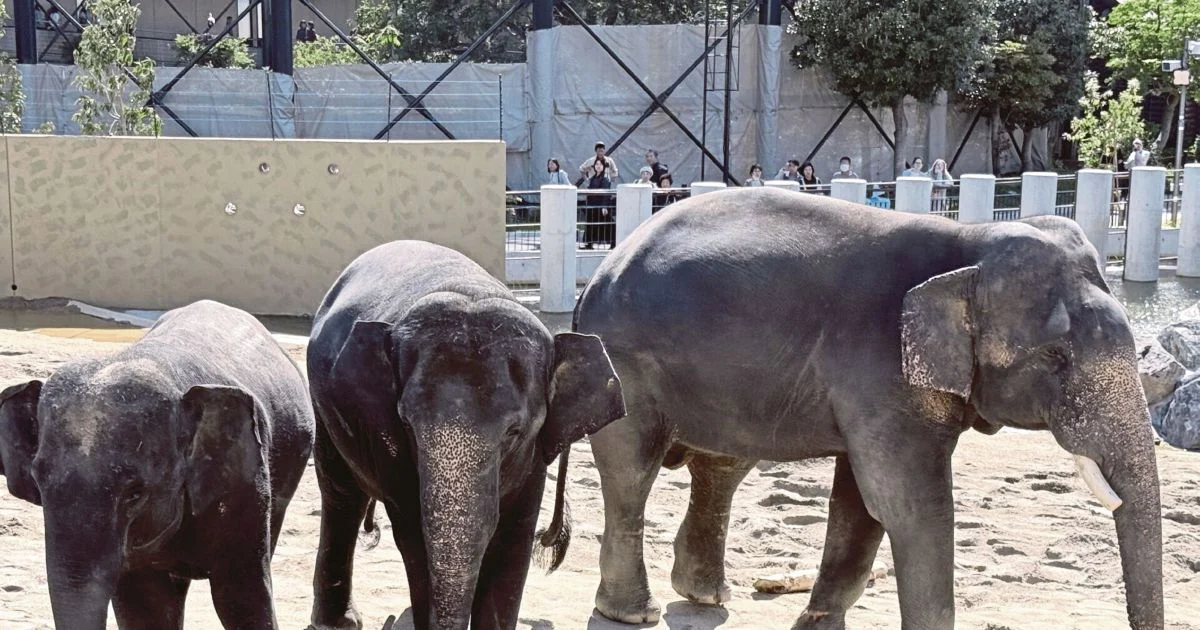
The Malaysian Anti-Corruption Commission (MACC) has initiated a formal investigation into the relocation of three Asian elephants from Zoo Taiping to the Tennoji Zoo in Osaka, Japan, signalling fresh scrutiny over how the country's wildlife assets are managed and transferred internationally. The probe represents an escalation in oversight of the transaction, suggesting potential irregularities in the approval or handling procedures governing such high-profile animal movements.
The transfer has drawn the watchdog's attention amid broader questions about whether proper governance standards were observed throughout the negotiation and implementation phases. Zoo Taiping, located in Perak and operated under the Zoo Taiping and Aquarium Corporation, is one of Malaysia's oldest and most prominent zoological institutions, housing diverse fauna protected under national law. The movement of endangered species like Asian elephants typically involves intricate legal and administrative frameworks spanning multiple agencies, including the Department of Wildlife and National Parks (Perhilitan) and relevant state authorities.
The Tennoji Zoo in Osaka, a well-established facility in Japan's Kansai region, has previously collaborated with Malaysian zoos on animal welfare and conservation programmes. However, the MACC's involvement underscores official concern that the decision-making process may not have adhered to requisite transparency or accountability standards. For wildlife transfers of this magnitude, institutions must navigate complex bilateral agreements, import-export permits, health certifications, and conservation assessments—each stage presenting potential vulnerability to procedural lapses or improper conduct.
Investigations of this nature typically examine whether approvals were granted expeditiously without proper documentation, whether financial considerations were fairly assessed, or whether personal interests influenced institutional decisions. Given that Zoo Taiping is a state-owned facility, the MACC's remit naturally extends to examining public resource stewardship. The commission will likely scrutinise procurement and decision-making records, communications between stakeholders, and the justification offered for releasing the animals to a foreign institution rather than retaining them within Malaysia's conservation network.
Asian elephants hold significant cultural and ecological importance across Southeast Asia, and their conservation remains a sensitive matter for governments throughout the region. Malaysia maintains strict regulations governing the capture, breeding, and movement of these protected animals. The three elephants' departure represents a permanent loss of genetic diversity and potential breeding stock from Malaysia's captive population—considerations that should weigh heavily in such decisions. Questions may arise regarding whether adequate local alternatives were explored before international relocation was approved.
The broader context matters considerably here. Malaysia has experienced recurring concerns about governance in state-owned enterprises and institutions, with the MACC maintaining active oversight across numerous sectors. Recent years have witnessed increased public scrutiny of wildlife management decisions, particularly regarding animal welfare and the appropriate role of international commerce in conservation efforts. The investigation sends a message that transactions involving national assets remain subject to rigorous anti-corruption examination, regardless of their scientific or cultural dimensions.
Stakeholders including conservationists, animal welfare advocates, and lawmakers have occasionally expressed concerns about the criteria governing international animal transfers. Some argue that zoos should prioritise maintaining robust local populations before exporting animals, while others contend that coordinated international breeding programmes serve broader conservation purposes. The MACC's probe may illuminate how such competing priorities were weighed in reaching the decision to release Zoo Taiping's elephants to Japan.
For regional observers, the investigation underscores the importance of institutional transparency in wildlife governance across Southeast Asia. Countries in the region frequently engage in international animal exchanges, and Malaysia's experience may influence how peer nations structure their own oversight mechanisms. The MACC's action reflects Malaysia's commitment—at least formally—to subjecting all significant decisions to anti-corruption scrutiny, even those appearing primarily scientific or cultural in nature.
The timing and scope of the investigation remain unclear, but the MACC's engagement suggests officials detected sufficient cause for concern to warrant formal probing. Preliminary findings could address questions about whether Zoo Taiping's management consulted adequately with wildlife authorities, whether the transfer aligned with Malaysia's biodiversity conservation strategy, and whether any irregular incentives influenced the transaction. The investigation may also examine the terms of the arrangement itself—whether Zoo Taiping received appropriate compensation or secured sufficient guarantees regarding the elephants' welfare and living conditions in Osaka.
Ultimately, the MACC's involvement highlights tensions between Malaysia's role as guardian of its natural heritage and the realities of international zoo cooperation. While cross-border animal transfers serve legitimate scientific and conservation purposes when properly structured, they must withstand scrutiny regarding process integrity and alignment with national interests. The investigation's findings could shape future protocols for wildlife relocation decisions, potentially establishing higher evidentiary and procedural standards for institutions seeking to transfer endangered species internationally.
For Zoo Taiping and other Malaysian wildlife facilities, the probe serves as a reminder that governance standards apply equally to decisions affecting animals and biodiversity. Transparent decision-making, comprehensive documentation, and stakeholder consultation may become increasingly critical in justifying international transfers. As Malaysia continues developing its wildlife management capabilities, such investigations contribute to institutional learning and the refinement of protocols governing one of the nation's most valuable environmental resources.

