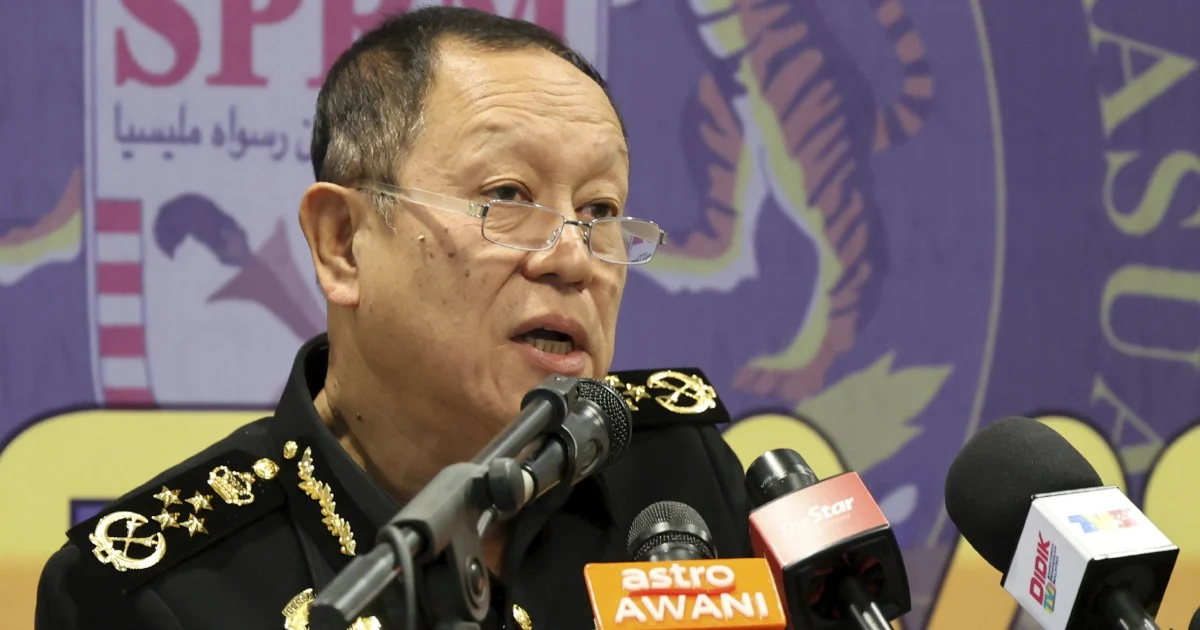
The Malaysian Anti-Corruption Commission (MACC) is expanding its multi-year investigation into the 1Malaysia Development Bhd (1MDB) scandal by focusing on a luxury property transaction in the United States that officials believe may have involved diverted public funds. In a significant development from their Putrajaya headquarters, the anti-corruption body has announced plans to call in several individuals for questioning, a move that signals the probe's evolution toward examining overseas asset purchases allegedly connected to the massive financial fraud.
Among those who will be summoned for interview is the wife of a former Malaysian prime minister, according to MACC officials. The inclusion of this high-profile figure underscores the investigation's scope and the continued relevance of 1MDB-related matters to Malaysia's political establishment, nearly a decade after the fund's collapse and international scandal became public knowledge. The decision to involve family members of senior political figures demonstrates MACC's determination to follow financial trails wherever they lead, regardless of the sensitivity involved.
The 1MDB scandal represents one of the world's largest kleptocratic schemes, involving the theft of billions of ringgit from a state-owned investment fund. Since its implosion in 2015, investigations have uncovered a complex web of money transfers, shell companies, and asset acquisitions spanning multiple jurisdictions. The US property in question appears to represent one more piece of this intricate puzzle, illustrating how proceeds from the fraud were allegedly laundered and converted into legitimate-appearing assets abroad.
Luxury real estate has proven to be a favoured mechanism for concealing ill-gotten gains across numerous corruption cases globally. Properties acquired through shell companies or intermediaries offer anonymity and can appreciate in value, making them attractive vehicles for money laundering. The MACC's focus on this particular transaction suggests investigators believe they have identified specific evidence linking the property's acquisition to 1MDB fund flows, whether through direct transfers or indirect financial pathways.
For Malaysian readers, this development carries implications beyond the immediate scandal. The country's reputation in global financial markets remains affected by the 1MDB affair, which exposed weaknesses in corporate governance, regulatory oversight, and international cooperation mechanisms. Continued investigations and prosecutions serve to demonstrate Malaysia's commitment to accountability, a message that resonates with both domestic constituencies and international observers evaluating the nation's anti-corruption posture.
The involvement of multiple witnesses reflects the investigative complexity inherent in transnational financial crime. MACC must coordinate with counterparts in the United States and potentially other jurisdictions to access financial records, property deeds, and transaction histories. Questioning Malaysian nationals about overseas property transactions requires careful attention to jurisdictional boundaries and legal protocols, making the investigation considerably more intricate than purely domestic cases.
The timing of this announcement may also reflect progress in ongoing litigation and investigations internationally. Several individuals convicted in Malaysia and elsewhere have received substantial prison sentences related to 1MDB, and civil recovery efforts have partially succeeded in retrieving assets. As legal proceedings continue, MACC appears to be pursuing remaining investigative leads and documenting the full scope of alleged fraud for potential future prosecutions or asset recovery operations.
For Southeast Asian observers, the case exemplifies how corruption in one nation can generate ripple effects across the region and beyond. The 1MDB scandal prompted international discussions about beneficial ownership transparency, correspondent banking standards, and information-sharing protocols among financial regulators. Malaysia's ongoing investigation efforts contribute to a broader regional and global conversation about strengthening safeguards against sophisticated money laundering schemes.
The questioning of these individuals will likely occur at MACC's Putrajaya office, where investigators maintain specialized units focused on financial crime and international corruption matters. The commission has demonstrated increasing sophistication in handling complex transnational cases, though resource constraints and jurisdictional limitations continue to present challenges. Cooperation with the US authorities, Malaysian financial intelligence units, and international bodies will be essential for advancing the probe effectively.
The involvement of the spouse of a former prime minister also raises questions about the extent to which family members and associates of political figures may have been implicated in financial irregularities. Historical patterns suggest that individuals in close proximity to power often benefit from access to misappropriated funds, and investigating such relationships forms a crucial part of understanding the full mechanics of the alleged fraud.
As MACC continues its work, this investigation reinforces that the 1MDB scandal remains an active matter within Malaysia's criminal justice system. The case has already resulted in numerous convictions and substantial prison sentences, yet new developments suggesting additional assets or individuals requiring investigation demonstrate that the full dimensions of the fraud may not yet be completely resolved.
The public disclosure that multiple figures will be interviewed, including prominent individuals, reflects MACC's commitment to transparency in its investigative processes. While specific details about the property transaction and alleged fund flows remain undisclosed, the announcement signals that investigators possess sufficient evidence to warrant formal questioning of witnesses and suspects. The outcome of these interviews could determine whether additional charges or prosecutions are warranted, further advancing accountability for 1MDB-related crimes.

