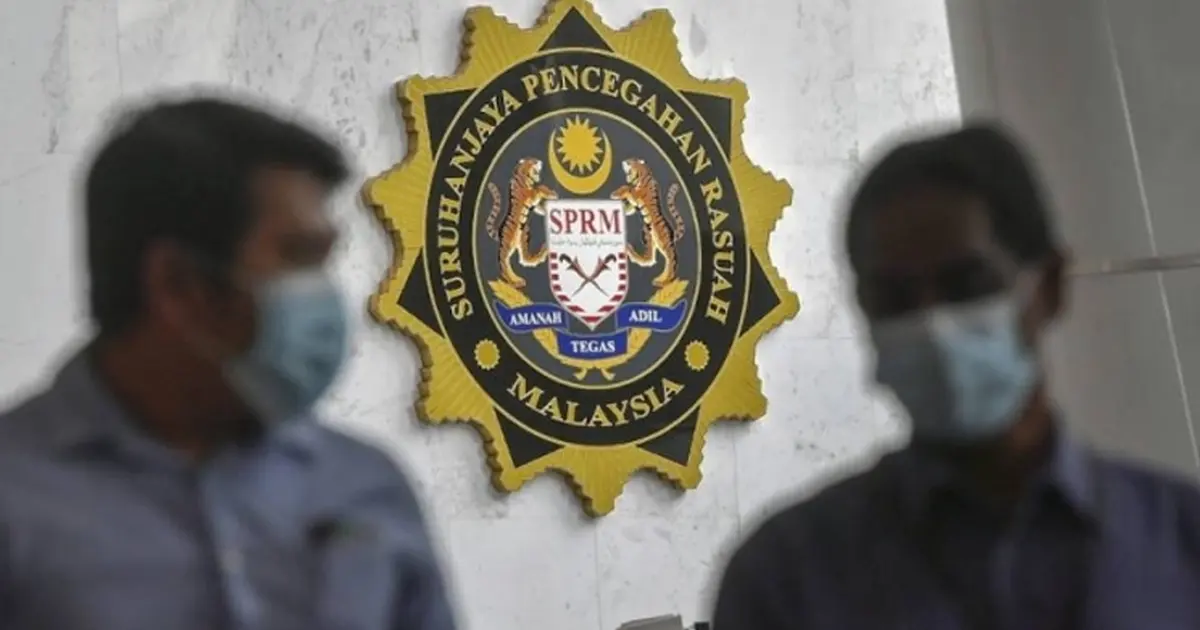
The Malaysian Anti-Corruption Commission has concluded its formal interview with a former chief financial officer implicated in the widening Tabung Haji investigation, marking another substantial development in the agency's scrutiny of Malaysia's troubled Islamic pilgrimage savings institution. The questioning session, which stretched from 9am until 6.30pm, represents an intensive day of testimony that signals the seriousness with which authorities are pursuing leads related to the fund's management and financial conduct.
The nine-and-a-half-hour duration of the interview underscores the complexity of the matters under investigation and the breadth of ground covered by MACC officials. Such extended questioning sessions typically involve detailed probing of financial transactions, decision-making processes, and administrative procedures that preceded or contributed to alleged irregularities. The length and structure of the interview suggest investigators sought comprehensive answers spanning multiple areas of concern, rather than focusing narrowly on a single incident or transaction.
Tabung Haji, officially known as Lembaga Tabung Haji, serves as a critical institution for Malaysian Muslims, accumulating savings from approximately 1.8 million contributors who are preparing for or saving toward the pilgrimage to Mecca. The fund manages billions of ringgit, making it one of the most significant Islamic financial institutions in Southeast Asia. Its governance structures and financial management have come under intense public and official scrutiny in recent years, particularly following discoveries of substantial investment losses and controversial property dealings.
The involvement of a former chief financial officer in MACC's investigation reflects the agency's focus on senior management decision-making within the institution. The CFO position places an individual at the nexus of financial policy, investment approval processes, and reporting mechanisms. Officials occupying such roles typically have intimate knowledge of major transactions, risk management frameworks, and the documentation trails underlying significant financial moves. Their testimony can therefore prove pivotal in establishing whether problematic decisions stemmed from negligence, mismanagement, or deliberate misconduct.
This development arrives amid growing public concern about corporate governance at Tabung Haji. Previous investigations and media reports have highlighted controversial real estate investments, questionable related-party transactions, and investment vehicles that generated substantial losses for contributors. The accumulating revelations have prompted calls from civil society organisations, lawmakers, and contributor associations for comprehensive institutional reform and accountability for decision-makers at all levels.
The MACC's expansion of its investigative scope to senior financial officials indicates the agency is moving beyond preliminary inquiries toward a more comprehensive examination of management responsibility. Questioning former office-holders rather than currently serving staff suggests investigators are attempting to establish patterns of decision-making, track how problematic practices became embedded in institutional culture, and identify accountability chains. This temporal reach—examining past leadership—often proves essential in corruption investigations, as it allows investigators to distinguish between individual lapses and systematic failures.
For Malaysian contributors and their families, the MACC investigation carries significant personal implications. Many Tabung Haji savers have earmarked their accumulated funds specifically for their hajj pilgrimage, viewing participation in this Islamic obligation as central to their spiritual and family aspirations. When institutional mismanagement threatens either the security of those savings or delays access to accumulated funds, it touches directly on personal religious and financial goals. The ongoing investigation thus resonates beyond abstract corporate governance discussions into lived experience.
The investigation also reflects broader questions about institutional accountability within Malaysia's government-linked corporations and Islamic finance sector. As one of several institutions managing public or community funds, Tabung Haji's vulnerabilities highlight systemic challenges in board independence, whistleblower protection, internal audit effectiveness, and external oversight mechanisms. Lessons emerging from this case will likely influence policy discussions around governance reforms across Malaysia's public institution landscape.
International observers monitoring Malaysia's anti-corruption efforts will view the MACC's sustained investigative momentum as indicative of institutional independence and commitment to holding powerful figures accountable. The thoroughness evident in extended questioning sessions, combined with willingness to investigate senior officials regardless of political connections or institutional prominence, affects Malaysia's reputation regarding the rule of law and professional standards in public administration. This dimension matters as Malaysia seeks to strengthen its position among regional and global governance rankings.
The investigation remains ongoing, and officials have not publicly disclosed the specific allegations motivating the questioning or preliminary findings from previous interview phases. The MACC's customary practice involves concluding statements with investigated individuals before releasing formal charges or public announcements. This standard procedure means the conclusion of this particular questioning session does not necessarily signal imminent prosecutorial decisions, though it represents progress in a complex investigative matter affecting public institutions and community resources that are fundamental to Malaysian Muslim life.

