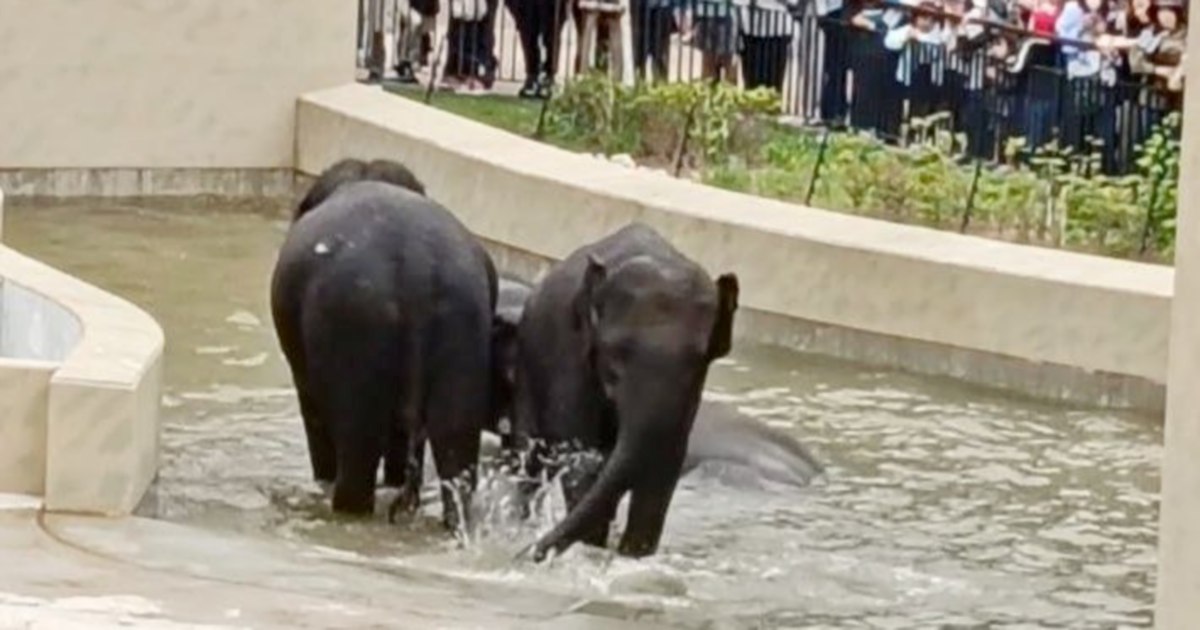
The Malaysian Anti-Corruption Commission has launched an investigation into the Taiping Municipal Council regarding the controversial transfer of three elephants to Tennoji Zoo in Japan, with the inquiry currently limited to examining official documents and records related to the transaction. The decision to restrict the initial investigation phase to paperwork review suggests the MACC is taking a methodical approach to establishing whether any procedural irregularities or financial improprieties occurred during the elephant relocation process.
Taiping, a historic town in Perak state known for its natural attractions and biodiversity conservation efforts, has faced scrutiny following the elephant transfer arrangement. The municipal council's decision to send the animals to the Japanese zoo raised questions among local residents and animal welfare advocates, who questioned the rationale behind relocating the creatures from their established habitat in Malaysia to an international facility thousands of kilometres away.
The MACC's current investigative methodology, which focuses on documentary scrutiny rather than witness interviews or site inspections, indicates that officials are prioritising the examination of decision-making processes, financial transactions, and authorisation chains. This approach allows investigators to assess whether proper governance protocols were followed and whether the transfer complied with relevant Malaysian wildlife protection regulations and municipal procedures. Document review typically includes contract agreements, correspondence between parties, financial records, tender documentation if applicable, and internal council memoranda that detail how the decision was reached and implemented.
The choice to concentrate initially on paperwork rather than broadening the investigation through interrogation of council officials suggests the MACC may be building a foundation of factual evidence before proceeding to more intensive investigative measures. This strategy is common in anti-corruption inquiries, where documentary evidence provides crucial context and creates a clear record of decision-making patterns and potential anomalies that warrant deeper examination.
For Malaysian stakeholders, this investigation carries implications beyond simple municipal governance. The elephant transfer raises broader questions about accountability in managing wildlife assets belonging to local communities. Malaysia's commitment to conservation and sustainable management of its natural heritage means that decisions affecting iconic animals must withstand public scrutiny and comply with established protocols. The MACC's involvement signals that authorities take seriously any suggestion that irregularities may have occurred in the stewardship of these assets.
The inquiry also reflects increasing public concern across Southeast Asia regarding animal welfare and the ethics of international wildlife transfers. As regional nations grapple with conservation challenges and international partnerships in wildlife management, cases like this become important precedents for how accountability mechanisms function. The MACC's investigation demonstrates that Malaysian institutions are willing to examine controversial decisions involving environmental and cultural assets, even when they involve municipal authorities.
Tennoji Zoo, the Japanese recipient facility, is an established zoological institution with professional standards and experience in managing diverse animal species. Nevertheless, the transfer of Malaysian elephants to Japan remains noteworthy given Malaysia's recognised position as home to the Asian elephant, an iconic species central to the country's ecological and cultural identity. Questions naturally arise about why local facilities could not adequately house these animals or whether the international relocation was necessary for conservation or welfare purposes.
The documentary focus of the investigation also suggests that the MACC is examining whether the Taiping Municipal Council obtained appropriate approvals from higher-level environmental and wildlife authorities before proceeding with the transfer. Malaysia's wildlife management typically involves multiple regulatory bodies, and proper coordination between the council, state-level wildlife departments, and federal agencies would be essential to legitimise such a significant decision affecting endangered or protected species.
From a governance perspective, this case illuminates the importance of transparency and documented accountability in municipal decision-making. The MACC's examination of records will likely establish a clear timeline of events, identify key decision-makers, and determine whether financial considerations influenced the transfer decision. Citizens across Malaysia and the Southeast Asian region will be watching to see whether municipal authorities can be held accountable when their decisions concerning public assets prove controversial.
The investigation remains in its early stages, with the document review phase potentially leading to expanded inquiry if evidence warrants further investigation. Should MACC uncover irregularities or evidence of misconduct during this initial examination, the commission possesses authority to escalate the probe, potentially including witness questioning and asset tracing if financial impropriety is suspected. For now, the focus on documentary evidence represents a deliberate, cautious approach to establishing the factual foundation necessary for any potential enforcement action.
This case also underscores the evolving role of anti-corruption agencies beyond traditional financial crime investigation. The MACC's willingness to examine administrative decisions affecting wildlife and natural resource management demonstrates institutional recognition that corruption extends beyond simple monetary bribery to encompass broader governance failures that harm public interests. As Malaysia continues developing its institutional capacity to combat graft, such expanded investigative scope reflects contemporary understanding of how corrupt decision-making can damage environmental stewardship and community welfare.

