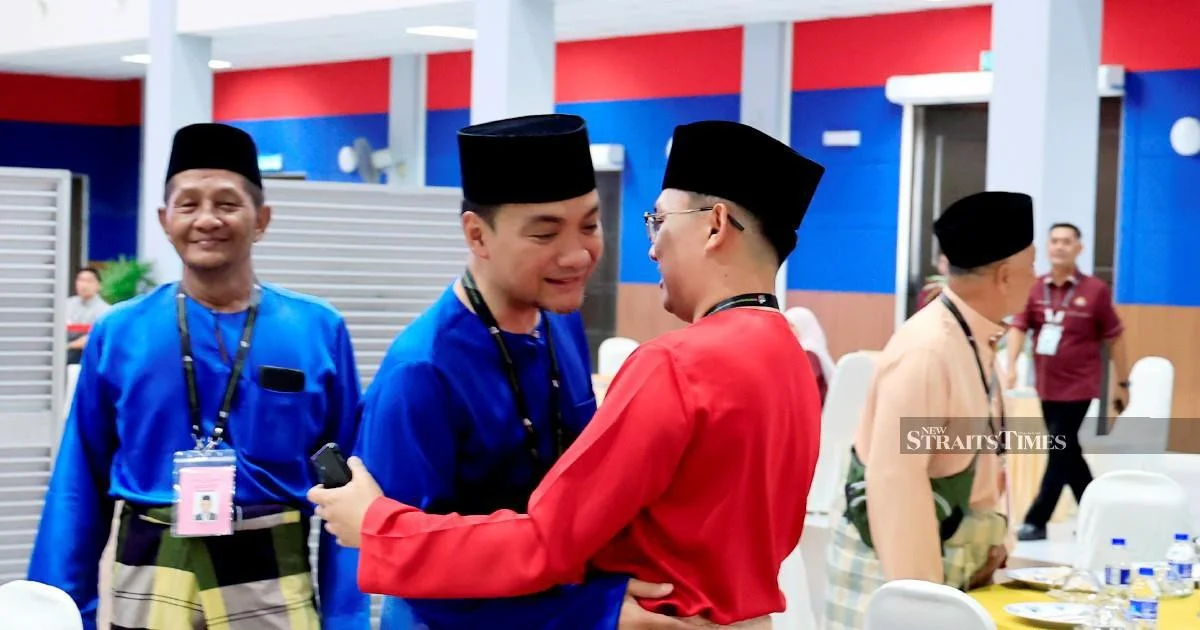
The electoral battle for the Machap state seat in Johor has taken shape as a direct two-cornered contest between Barisan Nasional and Pakatan Harapan, setting the stage for a closely watched contest in an upcoming state election. Caretaker Menteri Besar Datuk Onn Hafiz Ghazi, currently holding the position through his representation of the Machap constituency, will defend his seat against the Pakatan Harapan nominee. The confirmation of the straight fight removes uncertainty about potential three-cornered contests and third-party interventions in this strategically important electoral division.
Machap represents one of the more significant constituencies within the Johor electoral landscape, and the straight fight format signals that both major political coalitions are treating this particular race as a focal point for their respective campaigns. The constituency's designation as a two-horse race underscores the polarisation that has characterised Malaysian electoral competition in recent years, with smaller parties opting not to contest or finding themselves sidelined by the dominant coalition machinery. Onn Hafiz's position as caretaker Menteri Besar adds considerable weight to the Machap contest, as the outcome will carry implications beyond mere seat count, potentially affecting the stability and leadership of the Johor state government.
The caretaker administration status held by Onn Hafiz reflects the transitional political circumstances in Johor following previous electoral developments. His retention of this office demonstrates that his party and coalition maintain sufficient confidence in his leadership credentials, despite the underlying electoral dynamics that have reshaped Malaysian politics. The Machap seat thus becomes a referendum not only on local representation but also on the acceptability of the current state administration among voters in this particular division. A loss here would carry symbolic weight for the ruling coalition and could provide momentum for the opposition during the broader campaign.
Pakatan Harapan's decision to field Nur Hafiz as their challenger indicates a strategic choice about candidate selection and resource deployment in Johor's competitive electoral environment. The selection of opposition candidates often reflects calculations about local influence, community connections, and perceived viability in specific constituencies. By naming Nur Hafiz to contest Machap, the coalition signals its intention to mount a serious challenge to the incumbent, rather than treating the seat as a consolation or secondary priority. The choice of challenger carries implicit statements about Pakatan's assessment of Machap's electoral leanings and swing potential.
Machap's electoral character has been shaped by Johor's broader political evolution over the past several election cycles. The state has experienced significant shifts in voter preferences and coalition alignments, moving between different configurations of government. Understanding Machap's specific voting patterns requires consideration of the constituency's demographic composition, local economic conditions, and the historical relationship between the incumbent and constituents. These factors will determine whether Onn Hafiz can consolidate his position or whether Nur Hafiz can capitalise on any discontent or demographic shifts favourable to his coalition.
The confirmation of a straight fight eliminates the complexity of multi-candidate contests that could fragment votes unpredictably. Voters in Machap now face a clear binary choice, which typically leads to higher turnout and more decisive results compared to three-way or multi-cornered contests where votes split among multiple candidates. This clarity benefits both candidates insofar as campaign messaging becomes more straightforward, though it also means that neither side can rely on vote-splitting effects to artificially inflate their support. The straight fight format demands that each coalition demonstrate genuine majority support within the constituency rather than merely winning a plurality.
The broader Johor election context will inevitably influence Machap's outcome. The state-level campaign narratives, policy proposals, and inter-coalition dynamics will shape how voters in Machap perceive their choices. Should Barisan Nasional's campaign messaging resonate effectively across Johor, Onn Hafiz benefits from positive tailwinds. Conversely, if Pakatan Harapan gains traction with state-level issues such as economic management, development priorities, or governance transparency, Nur Hafiz stands to gain from that momentum. The straight fight framework means that Machap's result will provide clear evidence of which coalition's message proved more persuasive in this particular segment of Johor's electorate.
Local issues within Machap itself will undoubtedly feature prominently in the constituency campaign. These might encompass infrastructure development, educational facilities, healthcare services, business opportunities, and community amenities that directly affect residents' daily lives. Candidates typically highlight their respective records and proposals regarding such matters, with the incumbent emphasising achievements during their tenure and the challenger offering an alternative vision for addressing outstanding needs. The quality and credibility of each candidate's local engagement and demonstrated concern for Machap-specific challenges will significantly influence voter calculations.
The personal profiles and reputations of Onn Hafiz and Nur Hafiz constitute important variables in the contest. Voters' familiarity with candidates, perceptions of their integrity, competence, and responsiveness to constituent concerns shape electoral behaviour substantially. Onn Hafiz's tenure as both assemblyman and caretaker Menteri Besar provides extensive public visibility and record for voters to evaluate. Nur Hafiz, as the challenging candidate, carries the burden of introducing himself to voters and convincing them that he represents an improvement over the incumbent. The dynamics of personal campaigning and candidate interactions with constituents will unfold during the official campaign period.
For Southeast Asian observers and Malaysia-watchers, the Machap contest exemplifies the competitive dynamics characterising Malaysian state politics, where straight fights between major coalitions have become increasingly common. The elimination of multi-cornered contests reflects both the consolidation of coalition politics and the marginalisation of smaller parties, a trend observable across several Malaysian states and federal politics more broadly. Machap's two-cornered framework provides a microcosm through which to understand how Malaysian voters navigate choices between established political alternatives, particularly in a state like Johor that holds considerable strategic and economic importance within the federation.

