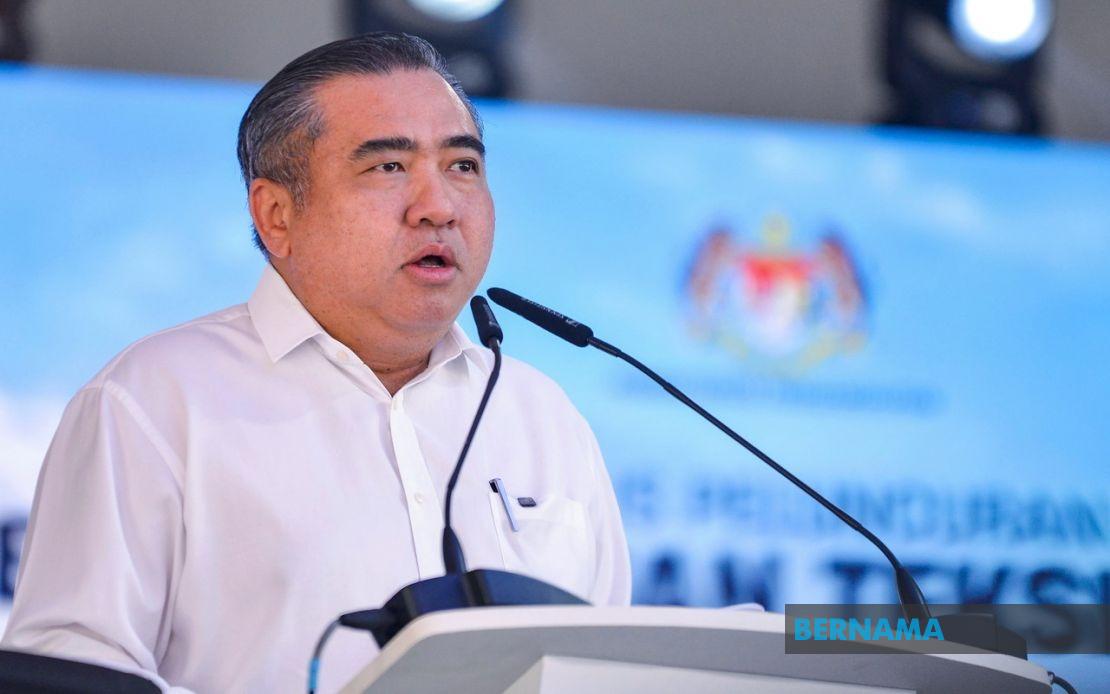
Malaysia's taxi industry is undergoing a fundamental structural transformation with the launch of the MADANI Taxi Reform Programme, which fundamentally restructures vehicle ownership from the traditional leasing arrangement to an outright ownership model. Transport Minister Anthony Loke unveiled the initiative at Dataran Merdeka in Kuala Lumpur, emphasising that participating drivers will now hold legal title to their vehicles despite financing through financial institutions—a departure from decades of leasing arrangements that have characterised the sector.
The distinction between this new framework and conventional financing arrangements lies in the legal status of ownership. Under the previous leasing model, drivers operated vehicles owned by fleet operators or leasing companies, with limited equity accumulation and restricted ownership rights. The reformed approach grants drivers full ownership rights from the outset, fundamentally altering the economic dynamics and providing drivers with tangible assets that appreciate over time. This structural shift, made possible through special approval from the Ministry of Finance, represents a significant recognition of drivers' interests and financial dignity within the transportation ecosystem.
The reform programme has designated the Proton S70 sedan as the standardised model for participating drivers, a selection justified by the vehicle's safety credentials, passenger comfort specifications, and fuel efficiency metrics. This standardisation approach streamlines operational management while reducing the heterogeneous fleet composition that previously characterised Malaysia's taxi services. The S70 represents domestic automotive manufacturing capability, supporting local industry objectives whilst providing drivers with a vehicle designed for commercial passenger transport requirements.
Visual and operational identity markers accompany the reform initiative. New taxis will depart from the conventional roof-mounted signage that has characterised Malaysian taxis for generations, instead adopting a more contemporary aesthetic. The special registration plate series prefixed with "GET" establishes immediate visual differentiation and facilitates administrative tracking and regulatory compliance within the reformed framework. This branding strategy signals modernisation whilst maintaining regulatory oversight capabilities.
Beyond vehicle ownership restructuring, the programme introduces supplementary revenue mechanisms addressing a persistent concern within the taxi industry—driver earnings sustainability. Digital advertising screens installed within taxi cabins create an additional income stream, leveraging the captive audience of passengers during transit. This approach parallels international best practices observed in major metropolitan taxi fleets, where in-cabin advertising supplements driver income without substantially impacting passenger experience or service quality.
The integration with digital booking platforms represents another modernisation dimension within the MADANI framework. Rather than resisting the technological disruption reshaping urban transportation, the programme explicitly incorporates e-hailing ecosystem integration, positioning traditional taxis alongside digital booking infrastructure. This strategic positioning acknowledges market realities whilst potentially expanding the customer base accessible to participating drivers through multiple booking channels simultaneously.
Prime Minister Datuk Seri Anwar Ibrahim's official sponsorship of the programme launch underscores governmental commitment to taxi sector transformation and the political significance attached to driver welfare improvements. The presence of Minister in the Prime Minister's Department (Federal Territories) Hannah Yeoh and Kuala Lumpur Mayor Datuk Seri Fadlun Mak Ujud reflected coordination across multiple governance layers, from federal transport policy through metropolitan implementation mechanisms. This vertical integration of support signals comprehensive governmental backing for the initiative's execution.
For Malaysian taxi drivers, the ownership transition generates multiple implications extending beyond immediate vehicle possession. Ownership structures create collateral assets enabling access to credit facilities for personal or business purposes, potentially unlocking capital previously unavailable under leasing arrangements. Asset accumulation supports long-term financial planning and family security, addressing perennial concerns regarding driver economic vulnerability and retirement preparedness within an informal-sector dominated occupation.
The reform programme situates Malaysia within evolving regional patterns regarding traditional taxi services adaptation. Throughout Southeast Asia, conventional taxi industries face structural pressures from ride-hailing competition and changing urban mobility preferences. By modernising vehicles, introducing complementary income sources, and formally recognising driver ownership rights, Malaysia's MADANI programme represents proactive sector management rather than defensive protectionism. This approach potentially provides a model for other regional markets confronting similar sector transformation pressures.
Implementation success depends substantially on driver participation rates and financing accessibility. The programme's viability hinges on whether offered financing terms prove sufficiently attractive to encourage widespread adoption compared to existing arrangements. Interest rates, repayment schedules, and down payment requirements will determine practical accessibility for drivers with varying financial capacities. Transparent communication regarding financing mechanics becomes essential for building confidence within the driver community.
The elimination of the traditional leasing model simultaneously eliminates a revenue stream for fleet operators and leasing companies previously dominating taxi vehicle supply. This transition potentially generates industry friction as established commercial interests adjust to restructured business models. The government's stated commitment to ownership mechanisms suggests regulatory willingness to absorb such adjustments in service of driver welfare objectives, reflecting policy priorities emphasising direct beneficiary interests over intermediary commercial arrangements.
Longer-term implications encompass broader formalisation within Malaysia's transportation sector. Ownership-based frameworks facilitate improved regulatory tracking, tax compliance monitoring, and service quality standardisation compared to diffuse leasing arrangements. Enhanced formalisation potentially strengthens governance capacity whilst improving service consistency for passengers, creating ecosystem benefits extending beyond individual driver circumstances into broader transportation system functionality and reliability.

