Malaysia Airports Holdings Bhd (MAHB) has renewed its pledge to work alongside multiple law enforcement bodies in protecting the nation's aviation borders, responding to the arrest of a Malaysian pilot in Indonesia who allegedly attempted to smuggle a substantial quantity of narcotics into the country. The operator of Kuala Lumpur International Airport (KLIA) stressed its readiness to assist investigators with the case while maintaining close ties with relevant security agencies to bolster safeguarding protocols across the airport's operations.
On July 29, authorities in Indonesia apprehended a 39-year-old Malaysian commercial pilot upon his arrival from Malaysia, accusing him of planning to smuggle illegal drugs. The seized consignment comprised approximately 70,114 ecstasy pills and four grammes of methamphetamine, authorities said, with an estimated street value of Rp60 billion. Indonesian investigators indicated that preliminary findings suggested the suspect had conducted similar operations previously and maintained connections with members of an international trafficking organisation. The probe into the broader network remains active, with authorities working to identify associates and the intended recipients of the contraband.
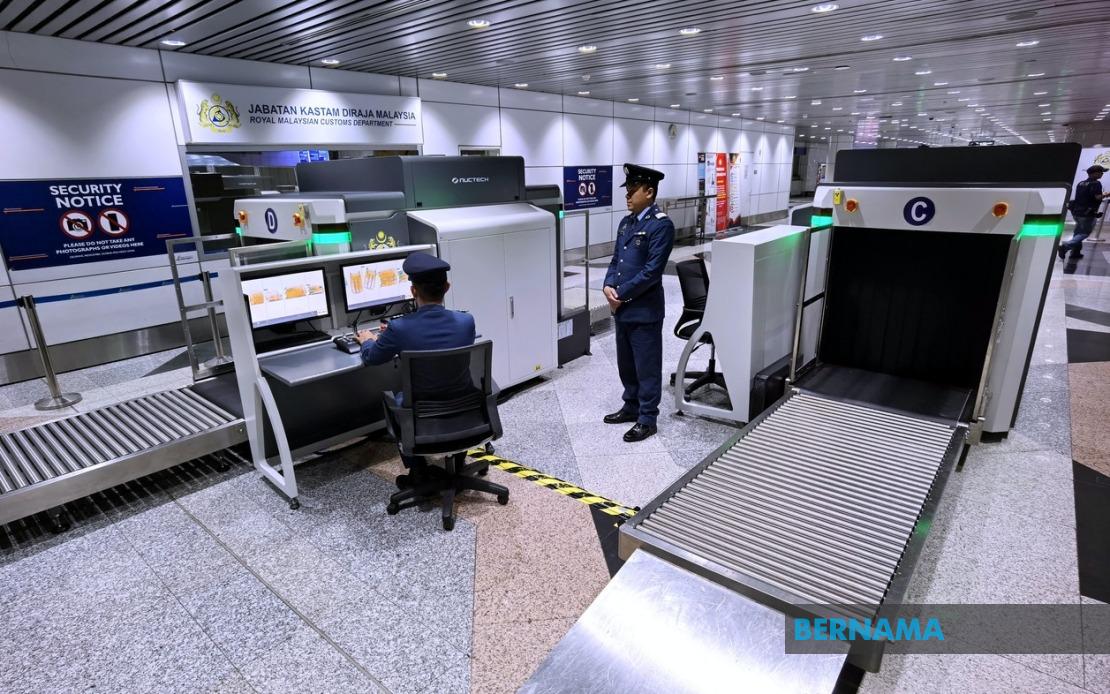
MAHB's statement clarifies the distinct operational responsibilities within Malaysia's aviation security framework. The airport operator's Aviation Security (AVSEC) division concentrates specifically on preventing acts that could endanger civil aviation and passenger safety, deploying rigorous screening protocols and sophisticated detection technology calibrated to identify explosives, weapons, and items classified as hazardous to flight operations. All checked baggage—whether belonging to passengers or crew members—undergoes mandatory aviation security screening before departure from KLIA in accordance with established international standards.
However, the company emphasised that identifying and prosecuting offences centred on illegal substances that do not directly compromise aviation safety rests with designated law enforcement authorities. The Royal Malaysia Police (PDRM) and the Royal Malaysia Customs Department shoulder responsibility for narcotics enforcement, smuggling investigations, and contraband seizures, whilst wildlife trafficking cases fall under the jurisdiction of the Department of Wildlife and National Parks. These agencies execute their mandates within the airport premises according to established legal frameworks and investigative procedures, with MAHB providing operational support through information exchange and collaborative coordination.
Statistics from the current calendar year demonstrate the effectiveness of existing security mechanisms. Between January and July, KLIA's AVSEC team partnered with PDRM to prevent more than 30 instances of attempted drug smuggling through the airport, a figure that underscores both the continued vigilance of security personnel and the ongoing threat posed by trafficking organisations. The collaboration between airport authorities and police reflects a strategic approach to interdicting contraband before it departs Malaysian soil.
The case carries broader implications for Malaysia's role in regional security architecture. Southeast Asia remains a critical transit corridor for narcotics destined for global markets, with airports serving as pivotal chokepoints where enforcement resources concentrate. A Malaysian crew member's alleged involvement in large-scale smuggling suggests that professional credentials and legitimate airport access remain attractive to trafficking networks seeking to exploit operational vulnerabilities. The arrest therefore highlights the necessity of vetting not only passengers but also personnel with privileged access to cargo systems and aircraft.
The Civil Aviation Authority of Malaysia (CAAM) has initiated its own regulatory inquiry into the incident, examining whether all established aviation security protocols were properly followed. CAAM chief executive Datuk Capt Norazman Mahmud stated that the investigation would assess both the airline operator's compliance with security standards and KLIA's baggage screening processes from a regulatory lens. This inquiry represents a procedural safeguard designed to identify any systemic gaps that may have enabled the attempted smuggling, potentially leading to enhanced procedural requirements industry-wide.
For Malaysian readers and businesses, the incident reinforces the importance of robust screening infrastructure at major transport hubs. KLIA's status as a primary international gateway means that lapses in security can have consequences extending far beyond Malaysia's borders, affecting the nation's international reputation and aviation industry standing. The arrest also underscores the stakes of aviation employment; crew members carrying contraband risk severe legal consequences in destination countries, where drug trafficking convictions often carry lengthy sentences and substantial penalties.
The coordination between MAHB, PDRM, CAAM, and Indonesian authorities demonstrates the value of transparent cross-border cooperation in addressing transnational criminal activity. Information sharing regarding suspects and syndicate networks facilitates intelligence gathering that can prevent future smuggling attempts and dismantle trafficking cells operating across Southeast Asia. Malaysia's commitment to supporting such initiatives positions the country as a reliable partner in regional counternarcotics efforts, potentially strengthening bilateral relationships with Indonesia and other neighbours.
Looking forward, the incident may accelerate investment in advanced screening technology and personnel training at Malaysian airports. Baggage systems employing artificial intelligence and machine learning show promise in identifying anomalies that human inspectors might overlook, whilst enhanced crew vetting procedures—including background checks and financial monitoring—could deter participation in smuggling schemes. MAHB's reiterated commitment to cooperation signals an institutional willingness to adopt such measures if enforcement partners recommend them.
The case also illustrates the transnational nature of modern drug trafficking, where individual pilots become conduits for substances destined for markets thousands of kilometres away. The suspect's alleged connections to an international network suggest involvement in organised crime with resources to recruit personnel and manage logistics across borders. Disrupting such networks requires sustained cooperation between law enforcement bodies across multiple jurisdictions, a reality that elevates the significance of incidents like this beyond individual criminal cases to matters of national security priority.

