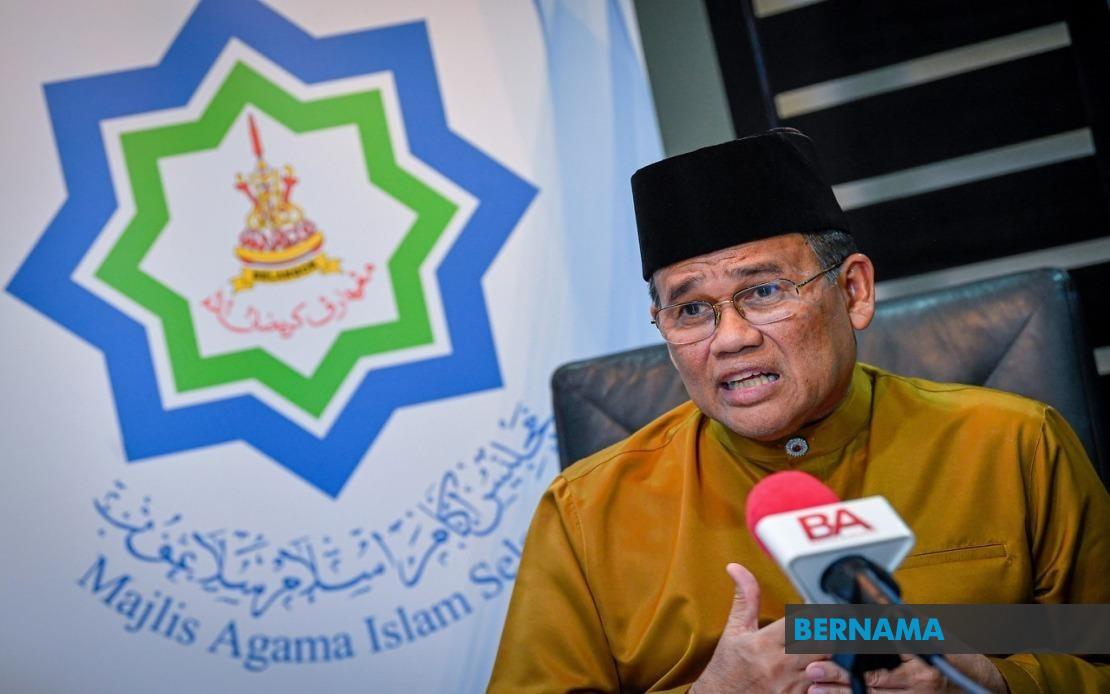
The Selangor Islamic Religious Council (MAIS) has convened an emergency meeting to address mounting concerns over delayed burial procedures at a Muslim cemetery in Selangor. The gathering will bring together the bereaved family, officials from Masjid Nurul Hidayah in Kampung Pandan Dalam, the Salatulrahim Welfare Organisation, and representatives from the Selangor Islamic Religious Department to examine what went wrong and chart a path forward for all stakeholders affected by the incident at Ukay Perdana Muslim Cemetery in Hulu Kelang.
MAIS chairman Datuk Salehuddin Saidin framed the meeting as an effort to find resolution while preventing future occurrences of similar problems. The decision reflects growing pressure on religious authorities to demonstrate responsiveness to public grievances involving funeral arrangements, an area where delays carry particular sensitivity given Islamic burial customs and family expectations during bereavement. The involvement of multiple organisations signals that investigations have already begun to establish where communication breakdowns or procedural failures occurred.
In a statement released in Shah Alam on Saturday, Salehuddin extended formal condolences to the affected family and acknowledged the profound distress experienced during what should have been a solemn religious rite. The tone conveyed understanding of how delays in Muslim funeral arrangements can compound family trauma at an already difficult moment. The council's acknowledgment of their ordeal suggests the incident has resonated beyond the immediate parties involved and reached public consciousness, prompting institutional response.
MAIS has pledged that accountability measures will follow once investigations conclude. The council stated it will pursue appropriate action against any parties found culpable, whether the issue stems from criminal wrongdoing, negligence, or communication failures between organisations involved in managing the burial process. This commitment to consequences addresses public expectations that religious institutions will police themselves when standards slip, particularly in matters as sacred as funeral rites within Islam.
The statement also referenced preliminary findings released by JAIS director Datuk Mohd Shahzihan Ahmad the previous weekend, which were based on initial information from mosque management about what transpired. MAIS indicated it has reviewed these findings but stopped short of endorsing all conclusions, instead signalling that the police investigation should be allowed to proceed independently without institutional pressure. This measured approach suggests MAIS recognises the need for impartial fact-finding rather than self-protective institutional positioning.
Multiple police reports have been filed by different parties—the mosque management, the bereaved family, and the welfare organisation—creating a complex investigative landscape. Each report likely contains different perspectives on the sequence of events and where responsibility lies. MAIS's call for transparent police investigation reflects awareness that institutional credibility depends on allowing external scrutiny to proceed without interference, even when findings might prove uncomfortable for religious establishment partners.
Beyond the immediate incident, MAIS has signalled a systemic review of how mosque management bodies conduct Islamic funeral and burial operations across Selangor. This broader initiative suggests the council views the Ukay Perdana incident as a symptom of potential gaps in oversight, training, or procedures across the funeral services network. By examining current practices against Islamic law requirements and administrative standards, MAIS aims to strengthen the entire ecosystem responsible for managing Muslim burials—from initial notification through final rites.
The council's commitment to ensuring that Muslim deceased are handled responsibly and with integrity speaks to anxieties within the community that institutional shortcuts or negligence might compromise religious obligations. Efficiency matters in funeral arrangements, but not at the cost of proper procedure or respectful treatment. MAIS's emphasis on orderly and efficient management combined with strict Islamic law compliance suggests the council will push for standardised protocols that balance timeliness with religious propriety.
Salehuddin also appealed to the Muslim community to maintain unity and brotherhood despite differences over this issue. The statement reflects concern that the burial delay controversy could deepen existing tensions between different Islamic organisations or between communities and institutions. By framing the incident as a management problem rather than a fundamental failure of faith, MAIS attempts to prevent the issue from becoming a vehicle for broader institutional criticism or religious division.
For Malaysian Muslims, this incident highlights how modern administrative challenges intersect with deeply held religious practices. Funeral arrangements involve not just logistics but profound spiritual obligations and family expectations. When systems fail, the impact extends beyond inconvenience to questions about whether institutions can be trusted with matters of greatest importance to believers. MAIS's comprehensive response—convening stakeholders, promising investigation, reviewing procedures, and appealing for unity—represents an attempt to restore institutional credibility through transparency and action.
The Ukay Perdana situation also carries implications for how Selangor manages plural religious services more broadly. If municipal cemeteries and welfare organisations struggle to coordinate with mosque management on burial procedures, questions arise about whether current governance structures adequately serve the community. MAIS's willingness to conduct a systemic review suggests receptiveness to improving frameworks, potentially through clearer protocols, better training, or revised oversight mechanisms.
The coming weeks will reveal whether the urgent meeting produces tangible outcomes that satisfy the bereaved family and reassure the broader community. How MAIS implements findings from police investigations and its own procedural review will determine whether this becomes a catalyst for genuine institutional improvement or merely a containment exercise. For Southeast Asian Muslims observing from neighbouring countries, Selangor's response to this controversy offers lessons about maintaining institutional credibility when systems fall short of community expectations.

