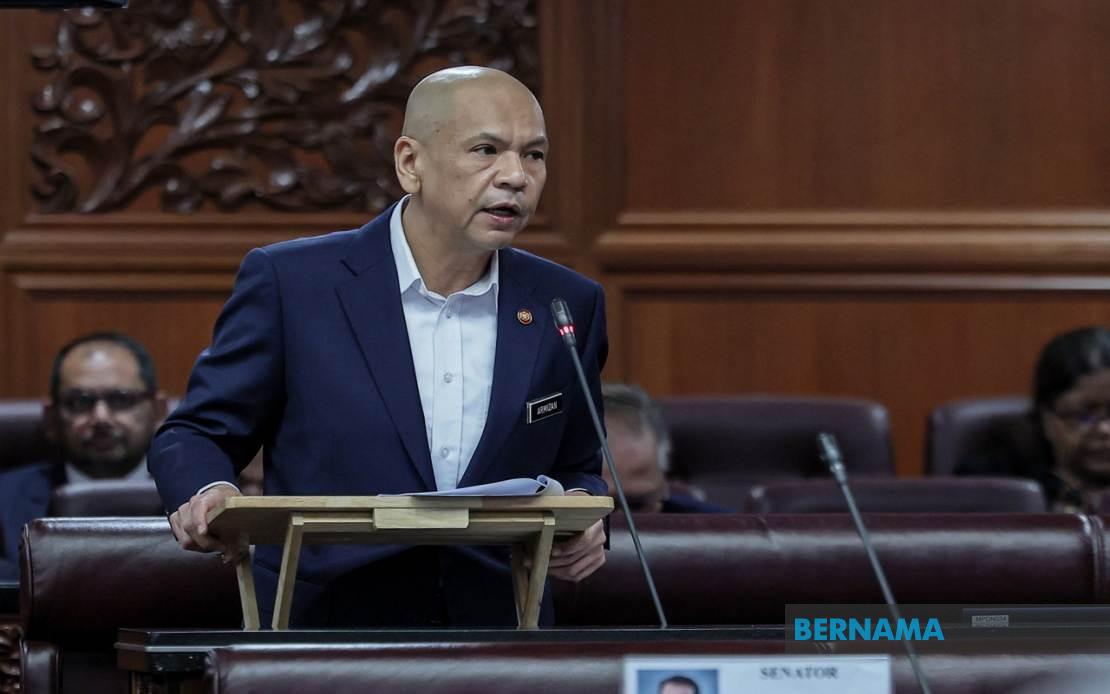
Malaysia has taken a significant step towards modernising its competition framework by tabling two amendment bills in the Dewan Rakyat. The Competition (Amendment) Bill 2026 and the Competition Commission (Amendment) Bill 2026, both overseen by the Domestic Trade and Cost of Living Ministry, received their first reading in parliament on June 23, with Datuk Armizan Mohd Ali, the ministry's minister, presenting both pieces of legislation. Both bills are scheduled for second reading during the current parliamentary sitting, signalling the government's intent to move swiftly through the legislative process.
The Competition (Amendment) Bill 2026 represents an ambitious attempt to reinvigorate the Competition Act 2010, which has served as Malaysia's primary competition statute for over a decade. The proposed amendments target multiple dimensions of the regulatory framework, with particular emphasis on expanding the investigative reach and enforcement capabilities of the Malaysia Competition Commission. By strengthening these core powers, the government appears intent on equipping MyCC with modern tools necessary to combat anti-competitive conduct in an increasingly complex economic landscape. The Bill also introduces improvements to MyCC's internal decision-making procedures and refines the mechanisms governing appeals through the Competition Appeal Tribunal, recognising that procedural efficiency is as important as substantive authority in effective competition enforcement.
One of the most consequential changes embedded in Clause 3 would fundamentally alter the scope of Malaysia's competition regime. Currently, the Competition Act 2010 applies primarily to commercial activities, a limitation that has constrained MyCC's authority in certain sectors. The amendment proposes expanding coverage to encompass all economic activities, a broadening that could bring previously unregulated sectors—including potentially government-linked entities and publicly-owned enterprises—within the competition framework. For Malaysian businesses and consumers, this expansion signals a more comprehensive approach to preventing monopolistic practices and restrictive conduct across the entire economy, though it may also trigger compliance questions for organisations operating in traditionally shielded sectors.
The introduction of enhanced investigative powers under Clause 7 grants MyCC authority to demand information and documents from any individual or entity, including government bodies, during market review procedures. This provision directly addresses longstanding frustrations within the competition enforcement community regarding access to data held by state agencies and ministries. In practice, the ability to compel information from government entities could prove instrumental in identifying systemic anti-competitive behaviour that stems from or is facilitated by state intervention. For regional observers monitoring ASEAN competition policy, Malaysia's move towards granting MyCC this authority mirrors trends in more mature competition regimes and reflects growing recognition that effective enforcement requires unfettered access to information regardless of its source.
Clause 13 introduces new criminal penalties targeting deliberate obstruction of MyCC's work through data destruction or document falsification. By criminalising the intentional destruction, concealment, defacement or alteration of materials that might obstruct investigations, the amendment imposes meaningful consequences for those who attempt to impede enforcement action. This provision acknowledges practical enforcement realities; competitive cartels and monopolists frequently attempt to conceal evidence when regulatory scrutiny emerges. The introduction of specific offences targeting such conduct provides MyCC with additional leverage and deterrence, potentially making Malaysia's competition enforcement regime more formidable against sophisticated economic wrongdoing.
Consequential amendments to the Competition Commission Act 2010 complement the primary Competition Act revisions by refining MyCC's institutional architecture and governance. Clause 8 seeks to clarify and potentially expand MyCC's advisory role, explicitly empowering it to counsel the minister, public authorities and regulatory bodies on competition implications embedded within policies, programmes and procedures. This provision recognises that competition concerns often originate from government policies rather than private conduct alone; by amplifying MyCC's advisory capacity, the amendment enables the commission to influence economic policy at its formative stage rather than merely policing after anti-competitive outcomes emerge.
Clause 10 introduces flexibility into MyCC's operational structure by permitting the commission to delegate functions and powers to its chairman, committees, officers and employees. While this may appear a technical adjustment, it addresses practical realities of a growing regulator handling increasingly complex investigations. Decentralised decision-making authority can accelerate investigations and appeals while still maintaining quality control through institutional frameworks. However, delegation provisions also require careful implementation to ensure that dispersed authority does not create inconsistent outcomes or undermine MyCC's institutional coherence.
Perhaps most significant for internal governance, Subclause 12(a) proposes that MyCC officer appointments be made by the commission itself upon the chief executive officer's recommendation, rather than through external political appointment. This reform directly addresses concerns about regulatory independence and operational autonomy. In a region where political pressure on regulators remains a persistent concern, shifting appointment authority to the commission itself strengthens insulation from external interference and enhances the credibility of MyCC's decision-making. The move aligns with international best practices for independent regulatory agencies and should strengthen stakeholder confidence in the impartiality of competition enforcement.
For Malaysian businesses, these amendments carry substantial implications across multiple dimensions. Small and medium enterprises operating in sectors newly brought within competition law's scope will need to review their practices for potential compliance gaps. Larger enterprises, particularly those with market-dominant positions, face heightened risks from MyCC's expanded investigative powers and enhanced access to information. The criminal penalties for obstruction create new exposure for corporate officials and employees who might previously have treated such conduct as a civil matter. At the same time, the amendments should benefit consumers and competitive firms by establishing a more rigorous enforcement environment.
The timing of these amendments reflects Malaysia's broader agenda to enhance competitiveness and address cost of living pressures through improved market dynamics. A more empowered competition regulator can theoretically reduce anti-competitive pricing and barriers to entry, though benefits depend on effective implementation and sufficient regulatory resources. The government has clearly signalled that modernising competition law is a priority, potentially opening pathways for MyCC to address digital economy competition issues and emerging market concentration problems that the 2010 Act was not designed to address.
Regional implications should not be overlooked; Malaysia's competition law reforms occur alongside similar modernisation efforts across ASEAN, as regulators throughout Southeast Asia grapple with cross-border commerce, digital platforms and state-owned enterprise dominance. The substantive and procedural changes proposed here may establish precedents that influence competition policy development in neighbouring jurisdictions, particularly regarding government entity accountability and digital market oversight.

