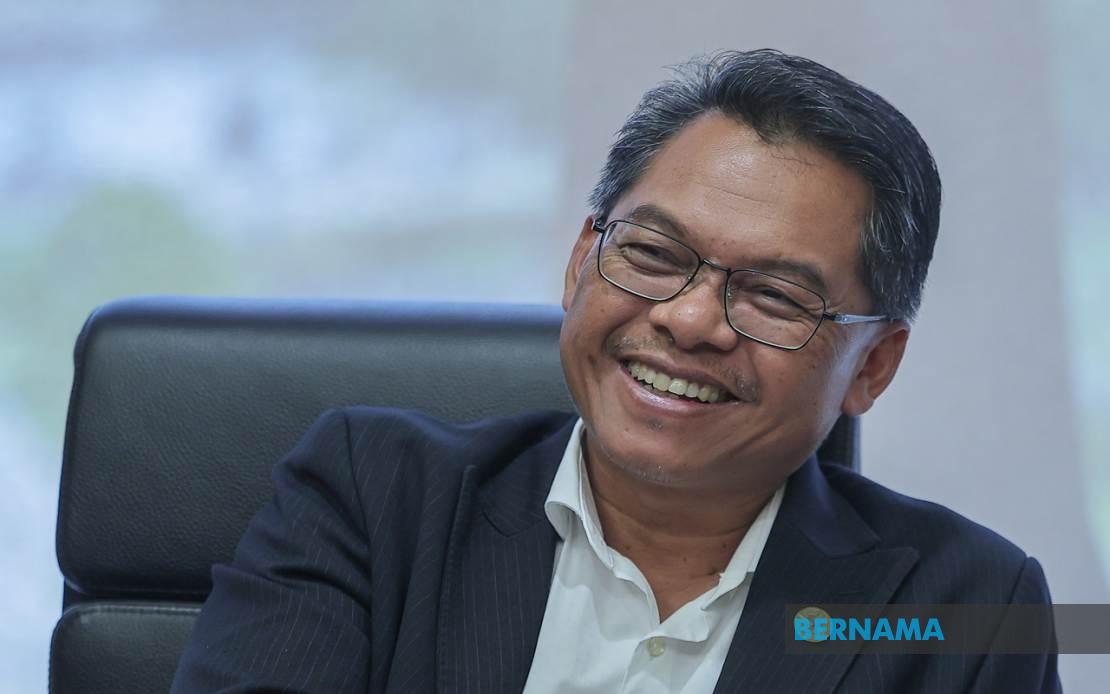
The Technical Committee overseeing implementation of the Malaysia Agreement 1963 has issued a firm directive to all federal ministries and agencies to treat the resolution of outstanding constitutional matters as a high priority, signalling mounting impatience with the pace of progress on issues that have vexed the East Malaysian states for decades. The instruction came during a meeting in Putrajaya chaired by Datuk Mustapha Sakmud, the Minister in the Prime Minister's Department responsible for Sabah and Sarawak affairs, with the committee preparing an update on the status of various MA63 implementation efforts ahead of a full review to be conducted by Prime Minister Datuk Seri Anwar Ibrahim next month.
The drive to accelerate resolution reflects growing political importance attached to fulfilling commitments made to Sabah and Sarawak under the MADANI administration. The two East Malaysian states have repeatedly flagged frustration over delays in implementing provisions of the 1963 agreement that established Malaysia, arguing that the federal government has not adequately honoured constitutional obligations regarding autonomy, revenue-sharing, and control over state affairs. The Technical Committee's directive suggests that senior government officials acknowledge the need to demonstrate tangible progress before the Prime Minister's formal assessment, potentially clearing the way for decisions on contentious issues that have languished in bureaucratic limbo.
Among the matters receiving focused attention from the committee are initiatives to increase the ethnic Bumiputra presence within the public service across Sabah and Sarawak, an objective known as Borneonisation that addresses longstanding grievances about federal dominance of civil service appointments in the states. This initiative carries significant symbolic importance beyond its administrative implications, as it touches on fundamental questions about whether the federal government respects the constitutional framework that brought Sabah and Sarawak into the Malaysian federation. The committee also examined gaps in healthcare service provision, a practical concern that reflects the geographic and infrastructural challenges of delivering equitable medical services across vast stretches of Borneo, and reviewed measures to strengthen educational institutions, particularly in regions where schools have historically received less funding than peninsular counterparts.
Mustapha emphasised that recent decisions demonstrate the government's willingness to translate MA63 commitments into concrete outcomes. He highlighted the increase in Sabah's Special Grant under Article 112D of the Federal Constitution, which has been raised to RM1.5 billion for the current financial year, representing a material boost to state resources. Additionally, he noted the successful transfer of Bintulu Port to Sarawak government control, completed on July 21, as evidence that the administration is prepared to devolve significant economic assets to the states when doing so aligns with MA63 principles. These developments carry particular weight because they involve monetary commitments and substantive transfers of authority rather than merely administrative reorganisation.
The Bintulu Port handover warrants special attention, as it illustrates how MA63 implementation can reshape the economic landscape of Sabah and Sarawak. Port management traditionally represents a significant source of state revenue and strategic leverage, and transferring control to the Sarawak government enhances the state's capacity to pursue independent development strategies and capture economic returns from trade passing through its jurisdiction. For Malaysian policymakers and analysts, the move signals recognition that centralised federal control over key infrastructure in East Malaysia may be giving way to a more federal model aligned with the original constitutional intent, though questions persist about whether similar transfers might be extended to other strategic assets.
Mustapha's statement emphasised that progress achieved through the Technical Committee and related working bodies demonstrates that meaningful advancement on MA63 issues is attainable through consensus-building anchored in mutual respect and trust between federal and state authorities. This framing carries implicit acknowledgment that previous approaches characterised by federal imposition or dismissal of state concerns have proven counterproductive. The emphasis on trust and consensual decision-making suggests that the current administration has adopted a more collaborative stance toward East Malaysian governments compared to some predecessors, potentially reflecting lessons learned from earlier periods when dismissive federal attitudes toward MA63 grievances fuelled political alienation in Sabah and Sarawak.
The timing of the Technical Committee's push for accelerated action warrants consideration against the backdrop of Malaysia's broader political evolution. Both Sabah and Sarawak remain electorally significant, and their alignment with the federal government influences the stability of any administration in Kuala Lumpur. By demonstrating measurable progress on MA63 matters before the Prime Minister's formal review, the Technical Committee is potentially positioning the government to make announcements that reinforce political support from East Malaysian constituencies and their representatives. This dynamic ensures that MA63 implementation remains embedded within practical partisan calculations, not merely constitutional theory.
The various agenda items under review by the Technical Committee interconnect in ways that shape broader questions about federalism within Malaysia. Healthcare and education provision relate directly to Article 112D discussions about state funding and autonomy, as wealthier states with greater fiscal resources can invest more robustly in these services. Similarly, Borneonisation initiatives affect the distribution of power and opportunity, determining whether East Malaysian communities exercise meaningful influence within federal institutions or remain peripheral to decision-making structures. Progress on any single front therefore holds implications for others, and the committee's comprehensive approach suggests recognition that MA63 implementation must address interconnected issues simultaneously rather than tackling them in isolation.
Looking ahead, the Prime Minister's review next month will determine whether the Technical Committee's directive actually translates into accelerated resolution or remains largely aspirational. Previous cycles of MA63 discussions have sometimes concluded without substantive breakthroughs, with ministries and agencies citing bureaucratic constraints, legal complexities, or competing budgetary priorities. The committee's explicit instruction to prioritise outstanding issues may sharpen accountability for implementing agencies, though enforcement mechanisms remain unclear. For Sabah and Sarawak stakeholders monitoring these developments, the coming month will reveal whether renewed administrative momentum can finally deliver the constitutional implementation that has proven elusive for six decades since Malaysia's establishment.

