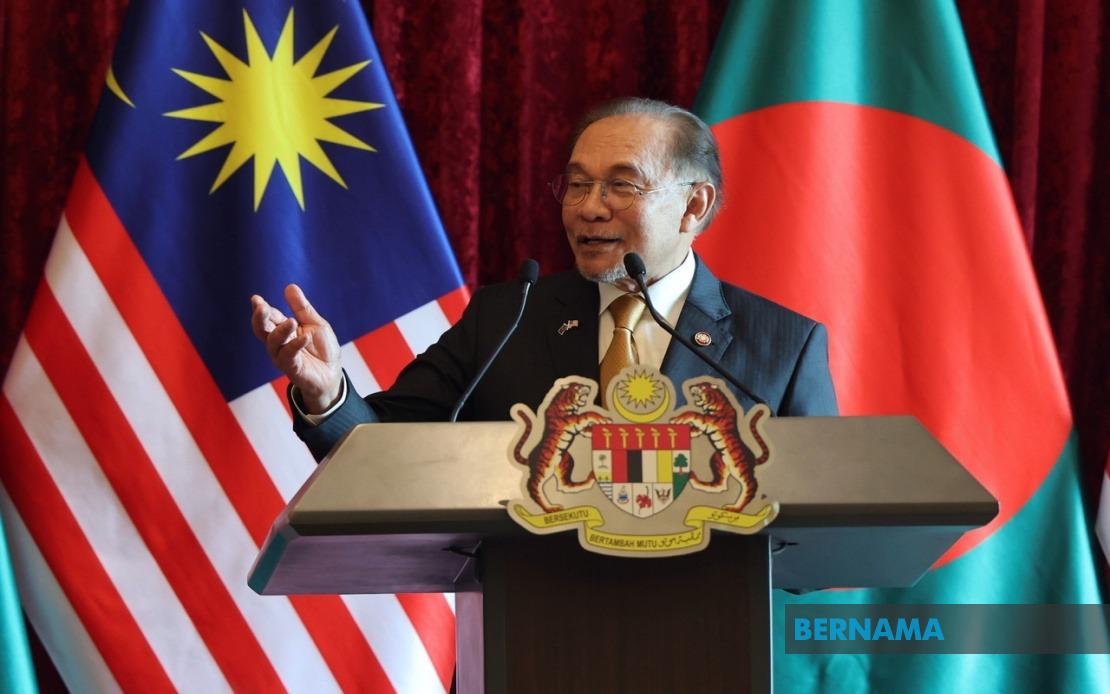
Prime Minister Datuk Seri Anwar Ibrahim and visiting Bangladesh Prime Minister Tarique Rahman have committed to breathing new life into institutional channels between their nations, signalling a reset in diplomatic relations that had seen key bilateral mechanisms lie inactive for an extended period. The commitment emerged during an official two-day visit by Rahman to Putrajaya, where both leaders acknowledged that rekindling formal political dialogue structures would be essential for addressing the complex web of issues facing Southeast Asia's two largest Muslim-majority nations.
The resumption of the Joint Commission Meeting and Bilateral Consultations represents a recognition that Malaysia-Bangladesh ties had drifted into a holding pattern despite deep historical, cultural, and economic connections. These institutional forums serve as the backbone of bilateral engagement, providing formal spaces where both governments can synchronise policy positions, resolve outstanding issues, and identify new avenues for cooperation. Their dormancy had left certain matters unresolved, particularly in the sensitive area of labour migration, which affects hundreds of thousands of Bangladeshi nationals working across Malaysia's manufacturing, construction, and service sectors.
Central to the revitalised relationship is the acknowledgement by both leaders that sustained high-level contact matters. Regular dialogue and official visits have demonstrably improved coordination across multiple sectors, from labour and trade to security and cultural exchange. This recognition carries particular weight given Malaysia's role as a major employment destination for Bangladeshi workers, a reality that demands careful management through transparent diplomatic channels rather than ad-hoc arrangements that can breed grievances and disputes.
The joint statement explicitly praised the contribution of Bangladeshi workers to Malaysia's economic development, framing the expatriate community not merely as a labour supply but as a bridge between nations. This characterisation is significant in a regional context where migrant workers are sometimes viewed primarily through a security or cost lens, rather than as contributors to national development and cross-cultural understanding. By positioning Bangladeshi workers as integral to Malaysia's progress, both governments signal a commitment to treating labour migration as a matter of mutual benefit rather than unilateral advantage.
Yet the communiqué also reflects Malaysia's caution regarding unlimited labour inflow. Both governments acknowledged that approvals for new foreign worker quotas operate under Malaysia's existing policy framework, which evaluates each application strictly according to verified employer needs and sectoral capacity. This measured approach prevents a race to the bottom on wages and working conditions while allowing Malaysia to absorb skilled and semi-skilled workers where genuine gaps exist. Bangladesh appears to have accepted this conditionality, suggesting a pragmatic understanding that sustainable migration arrangements require balancing the interests of both sending and receiving nations.
A particularly noteworthy development is the agreement to establish a Joint Working Group dedicated to labour migration. This specialised mechanism will undertake the technical work of evaluating the existing Memorandum of Understanding between the two countries and drafting a modernised version that reflects contemporary labour market dynamics and evolving standards for worker protection. The previous MoU likely contained provisions that no longer adequately address current recruitment practices, exploitation risks, or worker welfare expectations.
The emphasis on transparency, fairness, and non-discrimination in recruitment processes responds to documented concerns about irregular hiring channels and unqualified intermediaries who have historically extracted excessive fees from migrant workers. By insisting that only credible and qualified recruitment agencies can participate in approved quota placements, both governments are attempting to formalise the labour pipeline in ways that protect workers while ensuring Malaysian employers access reliable talent. This approach aligns with broader regional efforts to upgrade labour standards and combat trafficking and exploitation.
Bangladesh's proposal on worker recruitment was acknowledged but filtered through Malaysia's existing policy parameters, demonstrating a balanced response that neither dismisses Bangladesh's request nor abandons Malaysia's prerogative to manage labour flows according to domestic needs. This calibrated approach suggests both sides recognise that unlimited concessions would undermine the sustainability of the arrangement, while outright rejection would poison bilateral goodwill.
The timing of Rahman's visit and the reactivation of these mechanisms carry broader significance for Southeast Asia. As labour migration becomes an increasingly contentious cross-border issue, with receiving countries facing backlash over job competition while sending countries struggle to manage outmigration pressures, Malaysia and Bangladesh are attempting to establish a model based on mutual respect and institutional rigour rather than ad-hoc diplomacy or unilateral action. Success in this endeavour could offer lessons applicable to Thailand's engagement with Myanmar and Cambodia, or Singapore's relationships with regional labour suppliers.
For Malaysian stakeholders, the recommitment to structured bilateral engagement offers reassurance that the government recognises labour migration cannot be managed through proclamations alone. Industries reliant on foreign workers—from palm oil estates to construction sites to semiconductor manufacturing—require predictable, rules-based access to talent pools. The Joint Working Group provides a mechanism to regularly adjust arrangements as economic conditions evolve and new challenges emerge.
For Bangladesh, the visit underscores its leverage in negotiating with wealthier neighbours over the terms of labour export. Rather than accepting whatever conditions Malaysia unilaterally imposes, the establishment of formal working groups acknowledges Bangladesh as a partner with legitimate interests and proposals. This enhanced diplomatic standing could translate into better protections for workers and more equitable arrangements in recruitment.
The reactivation of these mechanisms also signals that both governments view their relationship as requiring sustained, deliberate investment. In an era of shifting regional alignments and competing great power influences, Malaysia and Bangladesh are affirming their commitment to managing bilateral affairs through established institutional channels rather than allowing disputes to fester or relations to drift.

