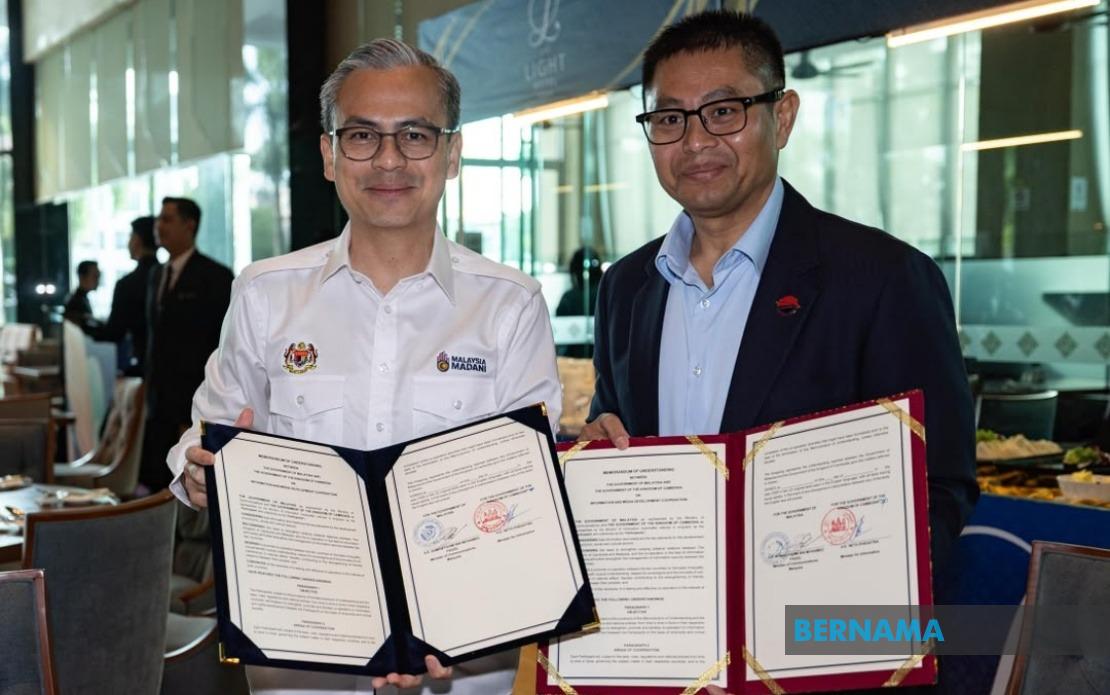
Malaysia and Cambodia have taken a significant step forward in their bilateral relations by formalising a memorandum of understanding focused on media and information development. The agreement was signed at the Light Hotel in Butterworth on June 20, with Communications Minister Datuk Fahmi Fadzil representing Malaysia and Cambodian Information Ministry's Under Secretary of State, Prak Thaveak Amida, standing in for Information Minister Neth Pheaktra. The MoU represents a structured commitment from both nations to enhance cooperation across the rapidly evolving communications landscape, addressing contemporary challenges and opportunities in the digital age.
The scope of the agreement is comprehensive, establishing cooperation frameworks that span multiple facets of the media ecosystem. Both countries have committed to facilitating news and information exchange, enabling journalists and media organisations to access diverse perspectives and stories from across the region. The partnership extends to radio and television broadcasting standards and practices, creating avenues for content sharing and technical collaboration that can benefit audiences in both nations. Additionally, the MoU encompasses printing and publishing sectors, recognising the ongoing importance of traditional media formats alongside digital platforms.
A critical component of the agreement addresses human capital development, reflecting an understanding that the sustainability and quality of media industries depends on investing in professional journalists, producers, and technical staff. Through structured training exchanges and knowledge-sharing programmes, media professionals from Malaysia and Cambodia will have opportunities to develop skills and learn from international best practices. This capacity-building dimension is particularly relevant for Southeast Asia, where media literacy and professional journalism standards remain areas requiring continuous improvement and investment across the region.
The MoU also tackles increasingly urgent challenges facing modern media systems, specifically cybersecurity threats targeting news organisations and information infrastructure. As digital transformation accelerates across Southeast Asia, media outlets face growing risks from cyberattacks and disinformation campaigns. By establishing cooperation in media cybersecurity, Malaysia and Cambodia are positioning themselves to share threat intelligence, develop defensive strategies, and protect the integrity of their information ecosystems—a concern that extends across the entire region.
Film and documentary production represents another collaboration avenue, offering opportunities for co-productions that can tell stories reflecting both cultures to broader audiences. This cultural dimension of the agreement transcends purely technical or regulatory cooperation, potentially fostering greater mutual understanding between Malaysian and Cambodian populations through visual media. Documentary collaborations particularly can highlight shared regional experiences and challenges while promoting cultural exchange.
Innovation in media and broadcasting constitutes a forward-looking component of the agreement, acknowledging that both nations must continuously adapt to technological disruption and changing audience consumption patterns. The framework provides space for experimenting with emerging broadcast technologies, distribution models, and audience engagement approaches. Information policy and regulatory practices coordination ensures that as both countries develop new media laws or update existing frameworks, they can learn from each other's experiences and avoid duplicating mistakes or missing opportunities for harmonisation that could benefit regional media flows.
The timing of this agreement coincides with Malaysia's hosting of the National Journalists' Day (HAWANA) 2026 grand finale, an event drawing approximately 1,000 media practitioners from Malaysia and internationally. This gathering provided an opportune moment for Cambodia's representative to present the MoU, signalling to the global media community that Malaysia and Cambodia are actively strengthening institutional frameworks for cooperation. Prime Minister Datuk Seri Anwar Ibrahim was scheduled to officiate the HAWANA event, lending political weight to the commitment both governments are making toward media development.
The broader context reveals how Southeast Asian nations are increasingly recognising media cooperation as essential to regional stability and integration. In an era of rapid information flows and cross-border digital platforms, coordinated approaches to media standards, cybersecurity, and professional development strengthen individual nations' capacity to manage information environments effectively. Malaysia, as a regional media hub and home to numerous international news organisations, benefits from deepening ties with neighbouring countries that can enhance its role as a credible information source.
For Cambodia, the agreement reflects efforts to strengthen institutional capacity within its media sector and gain access to Malaysian expertise and resources. Malaysia's more developed media infrastructure, established regulatory frameworks, and experienced professionals can provide valuable support for Cambodian counterparts seeking to modernise their systems and navigate digital transformation. This asymmetry of capacity is not unusual in bilateral media cooperation and can be mutually beneficial when structured transparently and respectfully.
The presence of Penang Chief Minister Chow Kon Yeow and senior officials from Malaysian media organisations at the HAWANA event underscored government-wide commitment to media sector development. The involvement of Bernama, Malaysia's national news agency, and representation from private media companies demonstrated that this cooperation extends across both public and commercial media ecosystems. Such broad-based institutional support suggests the MoU is likely to translate into tangible collaborative projects rather than remaining purely symbolic.
Regional implications extend beyond bilateral relations, as Malaysia-Cambodia cooperation in media standards and practices can contribute to broader ASEAN efforts toward media development and regional information integration. As Southeast Asian nations increasingly coordinate on cybersecurity, content regulation, and journalistic standards, bilateral agreements like this one serve as building blocks for more comprehensive regional frameworks. The emphasis on transparency and information exchange resonates with ASEAN's stated commitments to openness and cross-border understanding.
Looking forward, the practical implementation of this MoU will prove more consequential than the agreement's signing. Successful execution requires establishing working groups, allocating resources, and creating specific programmes that translate the broad cooperation principles into concrete outcomes. Regular dialogue mechanisms, exchange visits by media professionals, joint training initiatives, and collaborative research projects will determine whether the agreement meaningfully strengthens media capacity in both countries. The commitment by both governments' information ministries to this framework suggests serious intent, but sustained political and financial support will be essential for long-term success in an increasingly complex media environment.

