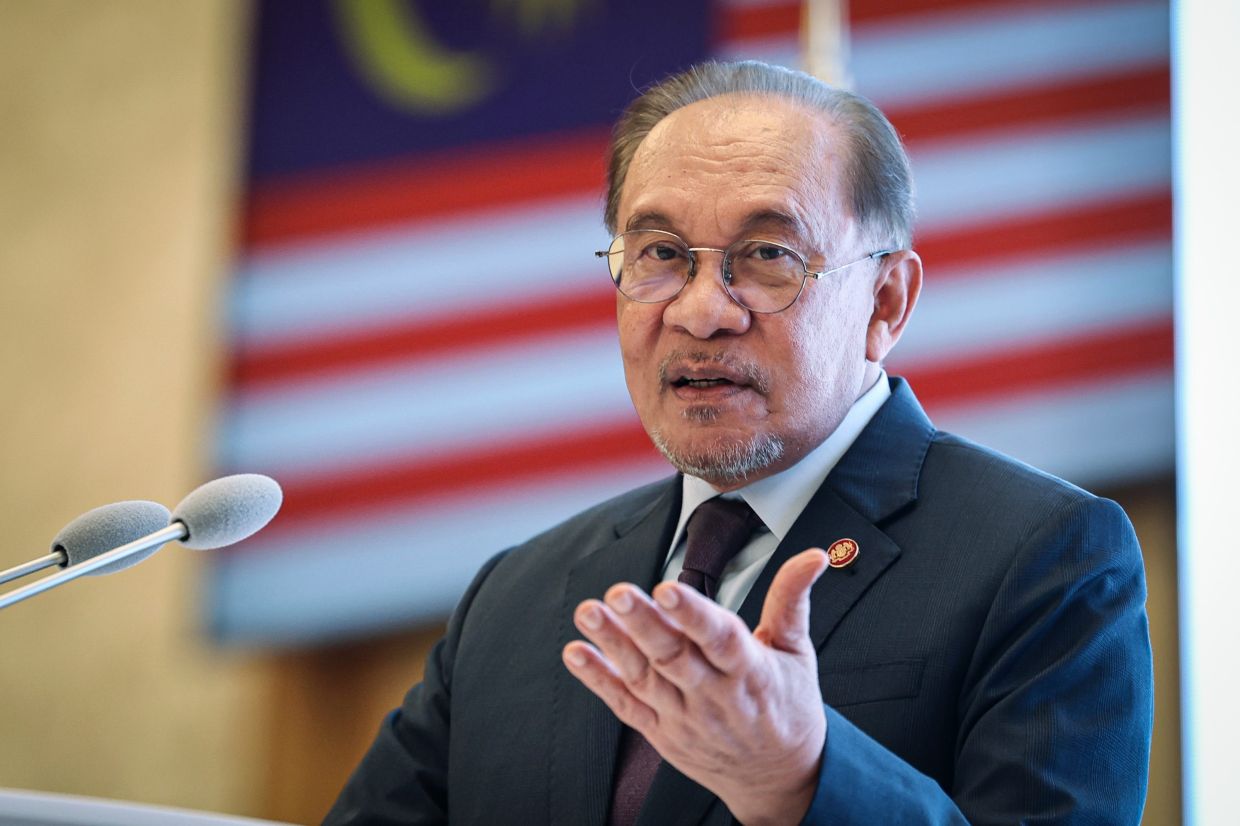
Prime Minister Datuk Seri Anwar Ibrahim has signalled that the long-awaited master plan for the Johor-Singapore Special Economic Zone (JS-SEZ) is on track for completion in the coming months, following high-level discussions with Singapore's President Tharman Shanmugaratnam. The confirmation comes as the two countries seek to accelerate one of Southeast Asia's most ambitious cross-border economic development projects, which promises significant benefits for regional trade, investment, and job creation.
Anwar, who doubles as finance minister, made the announcement following a courtesy meeting with President Tharman during the latter's three-day state visit to Malaysia from July 13 to 15. The visit was extended at the invitation of His Majesty Sultan Ibrahim, King of Malaysia, underscoring the diplomatic importance both nations place on strengthening their bilateral relationship at the highest level. The meeting provided both leaders with an opportunity to take stock of progress on multiple fronts and chart a path forward on shared economic ambitions.
The JS-SEZ represents a transformative initiative aimed at creating a seamlessly integrated economic corridor straddling the Johor-Singapore border. By designating a special zone with harmonised regulatory frameworks, simplified customs procedures, and coordinated development incentives, both countries hope to attract multinational corporations, foster innovation, and position the region as a competitive alternative to other Southeast Asian manufacturing and service hubs. The project has been under discussion for several years, with technical committees from both nations working to iron out the complexities of cross-border administration and investment protocols.
During their bilateral engagement, Anwar and President Tharman discussed the broader trajectory of Malaysia-Singapore relations beyond the JS-SEZ, covering regional security developments, economic cooperation, and matters requiring ongoing coordination. The exchange reflected a deliberate effort by both capitals to maintain dialogue channels and demonstrate commitment to resolving lingering bilateral issues constructively. This approach mirrors the diplomatic tradition both nations have cultivated since establishing formal relations, though periodic tensions over maritime boundaries, water rights, and immigration have occasionally tested the relationship.
Anwar's statement emphasised that both sides acknowledged "positive progress" in working through several outstanding matters that have accumulated over the decades of bilateral engagement. These unresolved issues—ranging from technical disputes to longer-standing grievances—have occasionally complicated the relationship, but the language used by the Prime Minister suggests both governments remain committed to finding mutually acceptable solutions through structured negotiation rather than confrontation. The invocation of "mutual respect and understanding" underlines the framework both capitals have agreed to adopt when addressing sensitive topics.
The JS-SEZ project carries particular significance for Malaysia's broader economic strategy. The country has positioned itself as a crucial node in regional supply chains, competing with Thailand, Vietnam, and Indonesia for foreign direct investment and manufacturing activities. A fully operational cross-border economic zone with Singapore—a global financial centre and highly developed economy—could substantially enhance Malaysia's attractiveness to international investors seeking efficient, well-governed operational hubs. For Johor specifically, the initiative promises employment opportunities, infrastructure development, and technology transfer that could lift the state's economy to a higher trajectory.
Singapore's engagement with the JS-SEZ reflects its own strategic interests in maintaining economic vitality and deepening integration with the region. The city-state, despite its advanced development status, recognises that its long-term prosperity depends on maintaining dynamic relationships with neighbouring markets and securing supply chain resilience. A functioning JS-SEZ would allow Singapore-based companies greater access to Malaysian labour and resources while enabling Malaysian enterprises to tap into Singapore's advanced financial, logistical, and technological ecosystems.
The master plan's finalisation will likely address critical operational questions: the precise geographical boundaries of the zone, the regulatory and tax framework applicable within it, the governance structure and dispute resolution mechanisms, and the specific sectors or industries to be prioritised for development. These details matter immensely because they will determine whether the zone functions as intended or becomes bogged down in bureaucratic complications that inhibit investment flows. The involvement of both nations' finance ministries, economic development agencies, and customs authorities suggests the process has been thorough, though finalising a master plan of this complexity invariably requires last-minute negotiations over contentious details.
Anwar's optimism about nearterm finalisation also signals that political will exists on both sides to move the project forward expeditiously. In Malaysian politics, delivering tangible economic achievements carries weight with voters and stakeholders, particularly in border states like Johor where citizens have direct stakes in regional development outcomes. For Singapore, demonstrating progress on economic initiatives with Malaysia reinforces its positioning as a responsible regional partner invested in collective prosperity rather than solely pursuing island-state advantages.
The successful completion of the JS-SEZ master plan would represent a significant diplomatic and economic milestone for Malaysia-Singapore relations. Beyond the immediate commercial benefits, it would demonstrate that the two nations can undertake complex, long-term projects requiring sustained cooperation and compromise. Such achievements build confidence and create momentum for addressing other bilateral issues, potentially including the more contentious matters that have stalled in previous rounds of negotiations. The project thus carries symbolic weight beyond its economic metrics.
Looking ahead, the implementation phase—transforming the master plan from document to functioning reality—will test the commitment and administrative capacity of both governments. Infrastructure development, regulatory harmonisation, and the establishment of efficient cross-border mechanisms will require coordinated effort spanning years. However, the clear signals from Anwar and President Tharman suggest both sides view the JS-SEZ as essential to their respective national interests, which should sustain momentum through the inevitable implementation challenges ahead.

