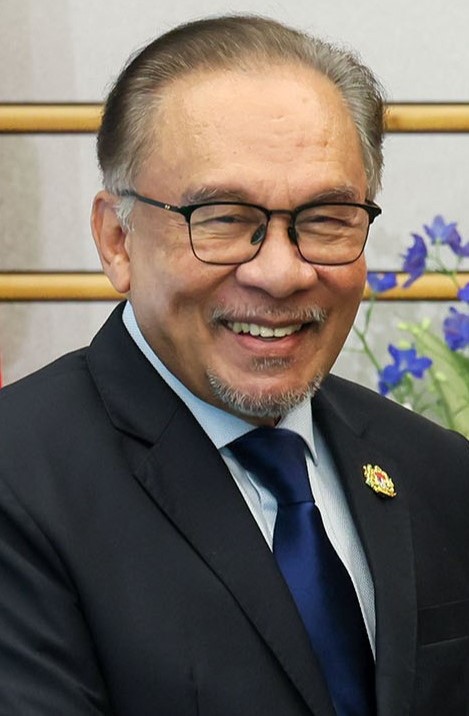
Malaysia's leadership has thrown its support behind a developing understanding between the United States and Iran aimed at de-escalating regional tensions, with Prime Minister Datuk Seri Anwar Ibrahim taking to social media to publicly endorse the diplomatic breakthrough. The prime minister's statement comes as the two powers move toward formalizing their accord through a memorandum of understanding expected to be executed in the immediate term, marking a potential turning point in one of the world's most volatile geopolitical standoffs.
Anwar specifically acknowledged the instrumental role played by Pakistan in brokering the understanding between Washington and Tehran, recognizing mediation efforts that have brought the historically hostile nations closer to a negotiated settlement. This emphasis on Pakistan's contribution underscores Malaysia's appreciation for multilateral diplomatic channels and regional actors working toward conflict resolution, a position consistent with Kuala Lumpur's broader foreign policy doctrine of supporting peaceful dialogue and inclusive negotiation frameworks across contested international issues.
The Malaysian prime minister focused particular attention on the reopening of the Strait of Hormuz, framing the waterway as an indispensable conduit for global energy supplies and international commercial activity. His characterization of the strait as a critical artery for both energy security and trade connectivity reflects deep understanding of its geopolitical centrality—approximately one-third of globally traded oil passes through this chokepoint, making any prolonged disruption potentially catastrophic for economies worldwide, including Malaysia's own energy-dependent manufacturing and petrochemical sectors.
Anwar emphasized that extended obstruction of the strait would ultimately prove counterproductive for all stakeholders, whether economic, political, or humanitarian. This pragmatic framing attempts to shift discourse away from zero-sum competition toward recognition that mutual benefit flows from reopening commerce and restoring normalcy in one of the world's most strategically vital maritime passages. The reasoning appeals to rational self-interest across competing actors, suggesting that protracted disruption serves no legitimate purpose for any involved party.
The Malaysian leader issued a broader call for all parties engaged in the diplomatic process to conduct themselves in good faith, eschewing delay and rapidly converting the emerging understanding into a comprehensive and durable peace settlement with institutional safeguards against backsliding. This emphasis on moving from agreement in principle to binding, enforceable arrangements reflects recognition that preliminary understandings frequently falter during implementation phases without sustained commitment and verifiable mechanisms ensuring compliance.
Crucially, Anwar counselled all international actors to refrain from provocative actions or statements that might jeopardize the fragile diplomatic momentum or reignite hostilities during this delicate window of opportunity. Such restraint represents an implicit warning against third-party interference or opportunistic escalation by external powers seeking to exploit the negotiating process for their own strategic advantage. The admonition underscores that peace agreements require not merely bilateral commitment but broader international forbearance.
Malaysia's formal commitment to sustaining momentum toward settlement signals Kuala Lumpur's willingness to leverage its diplomatic standing and regional influence in supporting whatever multilateral mechanisms or implementation frameworks emerge from the accord. This pledge goes beyond rhetorical endorsement, potentially positioning Malaysia as a constructive partner in monitoring arrangements, confidence-building measures, or verification protocols that major powers might establish to ensure good-faith implementation of the emerging agreement.
The timing of Anwar's statement follows US President Donald Trump's public announcement that the agreement with Iran had been finalized, with Trump authorizing the reopening of the Strait of Hormuz and lifting the American naval blockade previously imposed on Iranian maritime commerce. These concrete measures represent tangible movement toward normalizing conditions in the Persian Gulf region and reducing maritime tensions that have threatened commercial and energy flows throughout the Indo-Pacific.
For Malaysia specifically, the reopening of the Strait of Hormuz carries substantial economic implications, as the nation's energy security, trade routes, and manufacturing competitiveness depend on unobstructed access to Middle Eastern oil and gas supplies. A stabilized Persian Gulf environment reduces insurance costs for Malaysian shipping, lowers energy prices that burden domestic industries, and provides greater predictability for long-term investment planning in energy-intensive sectors. Additionally, broader Middle Eastern stability serves Malaysian interests in counterterrorism and preventing refugee crises that might destabilize Southeast Asia.
The Malaysian government's positioning also reflects its broader strategic interest in maintaining balanced relationships across the Islamic world, including both Sunni-led and Shia-led states. By welcoming US-Iran rapprochement rather than taking sides in sectarian disputes, Malaysia demonstrates commitment to pragmatic, non-aligned foreign policy that prioritizes economic development and regional peace over ideological alignment. This approach has long characterized Malaysian diplomacy, particularly under Anwar Ibrahim's leadership emphasizing multipolarity and inclusive dialogue frameworks.
The endorsement signals to the international community that Southeast Asian states, while respecting great power politics, will actively support de-escalation initiatives that benefit global stability and commerce. Malaysia's public backing may encourage other regional actors to similarly voice support for the emerging accord, potentially building broader international consensus that can reinforce compliance and discourage violations of the agreement's provisions. Such diplomatic signalling, though symbolic, contributes to the normalization process by demonstrating that the agreement enjoys recognition and support across diverse geopolitical actors.