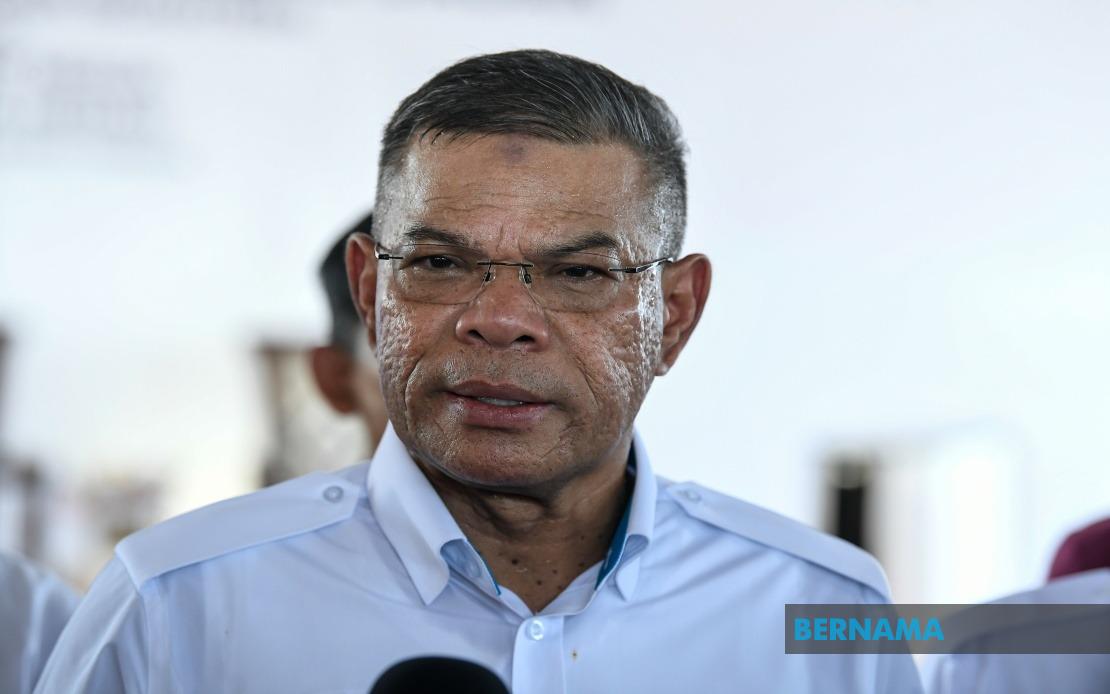
The Malaysian government has formally initiated procedures to process Rohingya refugees for their return to Myanmar following a bilateral agreement between Kuala Lumpur and Naypyidaw. Home Minister Datuk Seri Saifuddin Nasution Ismail announced that the Home Ministry is spearheading a comprehensive identification, documentation and screening operation designed to prepare approximately 5,000 Myanmar nationals currently in Malaysia for eventual repatriation. This represents a significant development in managing one of Southeast Asia's most protracted humanitarian challenges, with implications for how the region addresses displacement and refugee concerns moving forward.
The identification process operates under the framework of the Refugee Registration Document, formally known as DPP, which falls under National Security Council Directive No. 23. Rather than conducting screening activities across multiple locations, authorities have consolidated their approach, consolidating approximately 4,000 identified Myanmar nationals at a single designated immigration detention facility from a previous distribution across 19 separate depots nationwide. This restructuring aims to enhance administrative efficiency while enabling coordinated security assessments and documentation procedures. The total detainee population across all immigration facilities currently stands at approximately 22,000 individuals, underscoring the scale of Malaysia's detention infrastructure and the complexity of managing irregular migrants across the country.
The screening methodology incorporates multiple layers of verification and assessment. Police and Immigration Department personnel will conduct security evaluations on all candidates, examining their backgrounds, identities and eligibility status. Saifuddin Nasution outlined that the process comprises tracing, identification, comprehensive security screening and individual status determination before formal documentation is issued. Following completion of these internal Malaysian procedures, the Foreign Ministry will assume responsibility for coordinating with Myanmar authorities regarding the logistics and implementation of actual repatriation movements. This sequential approach ensures that both countries maintain oversight of their respective components while maintaining security protocols.
Prime Minister Datuk Seri Anwar Ibrahim announced the repatriation agreement during recent bilateral negotiations, marking a diplomatic breakthrough in addressing the presence of undocumented Myanmar nationals within Malaysian territory. The figure of 5,000 persons was established through diplomatic discussions as an initial repatriation cohort, though the final composition will depend on the outcomes of the screening and identification processes currently underway. The negotiated framework suggests potential for managing future repatriation operations should both governments reach additional agreements on subsequent groups.
Malaysia's approach reflects broader regional and international pressures regarding refugee and migrant management. The country has long absorbed significant populations of Myanmar nationals, including various ethnic minorities fleeing conflict and persecution. However, the government has increasingly emphasised the need to manage immigration through formal processes and bilateral agreements rather than ad hoc humanitarian frameworks. This repatriation initiative represents an attempt to balance Malaysia's humanitarian obligations with domestic security concerns and resource constraints.
The consolidation of detainees into a single facility addresses practical operational challenges inherent in managing large populations across dispersed locations. Centralising screening activities reduces administrative overhead, improves inter-agency coordination, and facilitates the collection and verification of documentation required for repatriation. However, human rights organisations have expressed concerns about detention conditions and the treatment of vulnerable populations, particularly amongst Rohingya communities who may lack government documentation from Myanmar, complicating their verification and status determination.
The implementation timeline remains flexible, with Saifuddin Nasution emphasizing that screening procedures were already in active progress rather than remaining at the planning stage. This suggests that the identification process could span considerable time, particularly given the need to verify identities, conduct background checks and resolve status ambiguities for individuals who may lack conventional documentation. The Myanmar government's capacity to absorb returning nationals may also influence the pace of actual repatriation movements.
For regional observers, this development carries significance beyond the immediate bilateral context. Malaysia's handling of this repatriation initiative may establish precedents for how other Southeast Asian nations address large-scale return of Myanmar nationals, particularly as military instability in Myanmar continues to generate displacement pressures. Thailand, which hosts substantially larger Myanmar refugee and migrant populations, may regard Malaysia's approach with considerable interest as it navigates its own repatriation considerations.
The role of the Foreign Ministry in post-screening coordination indicates that Malaysia seeks to maintain diplomatic channels with Myanmar throughout the process. Regular communication between governments will likely prove essential, particularly regarding the verification of returning individuals' eligibility and the practical logistics of transfers. Myanmar's current political and security environment adds complexity to repatriation calculations, as some individuals may harbour concerns about their safety or legal status upon return to their country of origin.
Stakeholder perspectives on the repatriation initiative remain mixed. Government statements emphasise national security priorities and resource management efficiency, while humanitarian advocates highlight concerns about individual circumstances, documentation gaps and potential vulnerability among returning populations. International organisations monitoring refugee and migrant protection standards will likely scrutinise Malaysia's implementation to ensure compliance with non-refoulement principles and individual rights protections throughout the screening and repatriation process.

