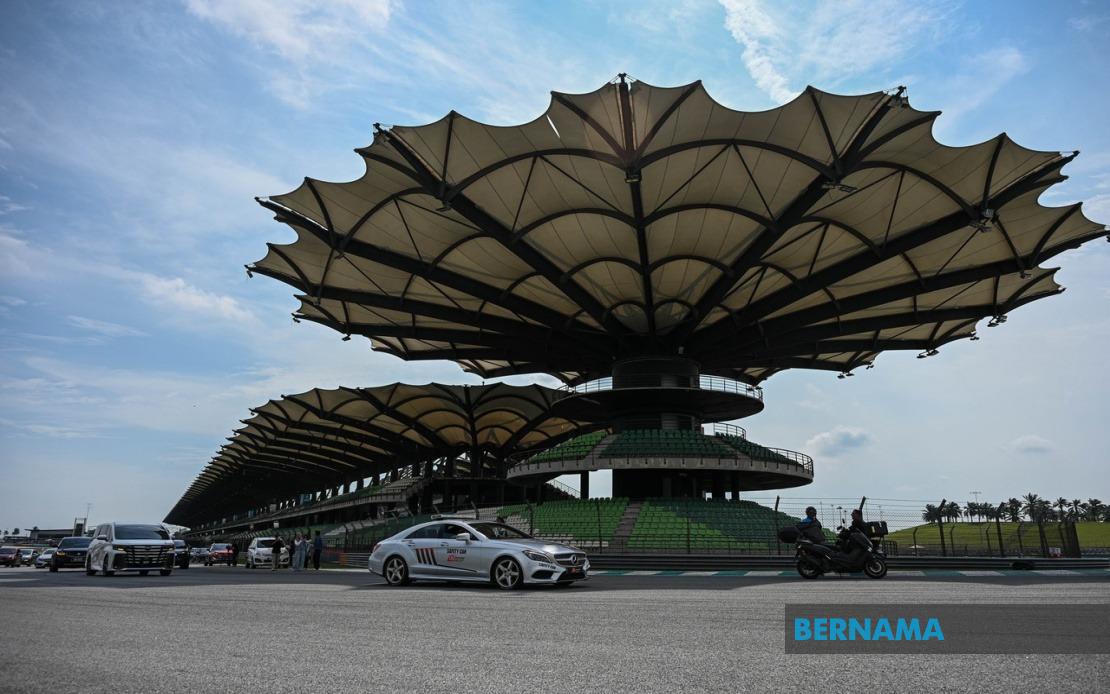
Malaysia has secured a prestigious position on the 2026 Formula 1 calendar by hosting the Gulf Air Bahrain Grand Prix at the Sepang International Circuit, a landmark arrangement reflecting the strengthening relationship between the two nations and their shared commitment to motorsport excellence. The race, scheduled for October 2 to 4, represents a historic shift for a championship event that has been held in Bahrain since its inception in 2004, yet will maintain its official name and identity despite the geographical relocation. This diplomatic manoeuvre underscores how sporting events can serve as platforms for regional cooperation, with implications extending far beyond the racing circuit itself.
The decision to move the Bahrain Grand Prix to Malaysia's premier racing venue represents a significant endorsement of Sepang's capabilities as a world-class motorsport facility. The Sepang International Circuit hosted the Malaysian Grand Prix consecutively from 1999 until its final staging in 2017, when Red Bull Racing's Max Verstappen claimed victory on that occasion. During its eighteen-year tenure as Malaysia's Formula 1 home, Sepang established itself as one of Asia's most recognised and respected racing destinations, developing a reputation for excellent organisation and exciting competitive racing. The return of Formula 1 to Sepang after nearly a decade represents not merely the reinstatement of a venue, but a restoration of Malaysia's prominent position within global motorsport's highest echelon.
Bahrain's Ambassador to Malaysia, Dr Waleed Khalifa Al Manea, characterised the arrangement as a direct reflection of the robust personal relationships between the leadership of both countries. He emphasised that the arrangement builds upon the state visit by His Majesty Sultan Ibrahim, King of Malaysia, to Bahrain in 2025, and demonstrates the productive coordination between His Royal Highness Prince Salman bin Hamad Al Khalifa, Crown Prince and Prime Minister of Bahrain, and Malaysian Prime Minister Datuk Seri Anwar Ibrahim. These high-level diplomatic connections proved instrumental in facilitating the unprecedented agreement to relocate the championship race, illustrating how robust political relationships can translate into tangible mutual benefits. The ambassador's remarks suggest that the arrangement transcends typical sporting venue arrangements, functioning instead as a testament to genuine cooperation at the highest governmental levels.
What distinguishes this collaboration from conventional sporting partnerships is its deliberate fusion of complementary expertise and experience. Bahrain brings to the arrangement its established credentials in motorsport governance, accumulated through successfully hosting the Formula 1 championship for over two decades and developing sophisticated sporting infrastructure. Malaysia contributes its extensive track record in hosting world-class sporting events and its proven ability to manage complex international competitions at the highest standards. This complementary positioning allows both nations to leverage their respective strengths, creating what the ambassador described as a unique arrangement that strengthens bilateral relationships beyond the immediate sporting context. Such partnerships demonstrate how regional nations can collaborate in ways that amplify individual capabilities rather than compete destructively for the same limited opportunities.
An intriguing technical connection links the two circuits at the heart of this arrangement. Both the Sepang International Circuit and the Bahrain International Circuit were designed by Hermann Tilke, the renowned German circuit architect whose blueprint philosophy has shaped numerous modern Formula 1 venues globally. This shared architectural heritage creates a subtle continuity, ensuring that despite the geographical separation of thousands of kilometres, the Bahrain Grand Prix maintains a tangible connection to its spiritual home through familiar design principles and track characteristics. This detail exemplifies how globalised sporting infrastructure has created unexpected bridges between distant locations, allowing events to preserve their essential character whilst adapting to new physical circumstances.
The economic and infrastructural implications of hosting the event extend substantially beyond motorsport itself. Bahrain's Ambassador highlighted that the race will generate significant spillover benefits across multiple sectors including tourism, aviation, transport, investment, hospitality, and media engagement. The launch of direct Gulf Air flights between Manama and Kuala Lumpur specifically to support the event demonstrates how major sporting occasions catalyse broader commercial connections and infrastructure development. For Malaysia, hosting the event will generate international media attention, attract high-net-worth visitors, and create employment opportunities across hospitality and service sectors. For Bahrain, the arrangement provides exposure to Malaysia's established sporting tourism networks and demonstrates the Kingdom's continued relevance in global motorsport despite the temporary relocation of its championship race.
The announcement received enthusiastic responses from the Formula 1 community, with multiple teams and drivers engaging positively with news of the event's confirmation. The racing fraternity's receptiveness reflects recognition that Sepang remains a beloved venue within the sport, capable of delivering exciting racing and world-class operational standards. Social media posts from teams featuring nostalgic content from previous Sepang races underscored the genuine affection many participants retain for the venue. This groundswell of support from those most directly involved in the sport suggests that the arrangement will enjoy strong engagement and participation from competing teams and drivers, enhancing the competitive quality and spectacle of the event itself.
From a Southeast Asian perspective, Malaysia's selection to host the Bahrain Grand Prix reinforces the region's status as a significant motorsport destination and confirms its capabilities in hosting prestigious international sporting events. The arrangement demonstrates that Southeast Asian nations can compete successfully for premium sporting fixtures traditionally associated with wealthier markets, provided they maintain world-class facilities and demonstrate commitment to event excellence. For Malaysian fans, the return of Formula 1 to Sepang after nine years represents a welcome restoration of direct access to the sport's premier championship, potentially reigniting grassroots motorsport interest and participation. The event's timing in early October coincides with a period when Malaysia's weather conditions generally favour motorsport operations, suggesting the organisers have carefully considered practical operational requirements alongside diplomatic considerations.
The arrangement also carries broader implications for how bilateral relationships in the Southeast Asian and Middle Eastern region might evolve in future years. By successfully negotiating a unique sporting partnership that serves mutual interests, Malaysia and Bahrain have established a template for innovative cooperation that transcends traditional zero-sum competition for limited opportunities. Other regional nations facing similar circumstances might look to this model as a demonstration that creative diplomacy and genuine partnership can generate outcomes exceeding what individual nations might achieve independently. The success of this arrangement, measured in organisational excellence and competitive quality, may encourage similar collaborative ventures in other sporting and cultural domains, contributing to deeper regional integration and mutual understanding.
As preparations progress for October's historic event, the true significance of this arrangement will ultimately be measured through the quality of the spectacle delivered, the economic benefits generated, and the durability of the diplomatic connections it represents. The convergence of sporting excellence, infrastructural capability, and genuine political commitment creates conditions for a memorable championship race that serves interests far broader than motorsport enthusiasts alone. For Malaysia, the Gulf Air Bahrain Grand Prix represents validation of sustained commitment to sporting excellence and affirmation of its regional leadership position. For Bahrain, the arrangement demonstrates that effective diplomacy and genuine partnership can adapt traditional institutions to contemporary circumstances whilst preserving their essential character and significance.

