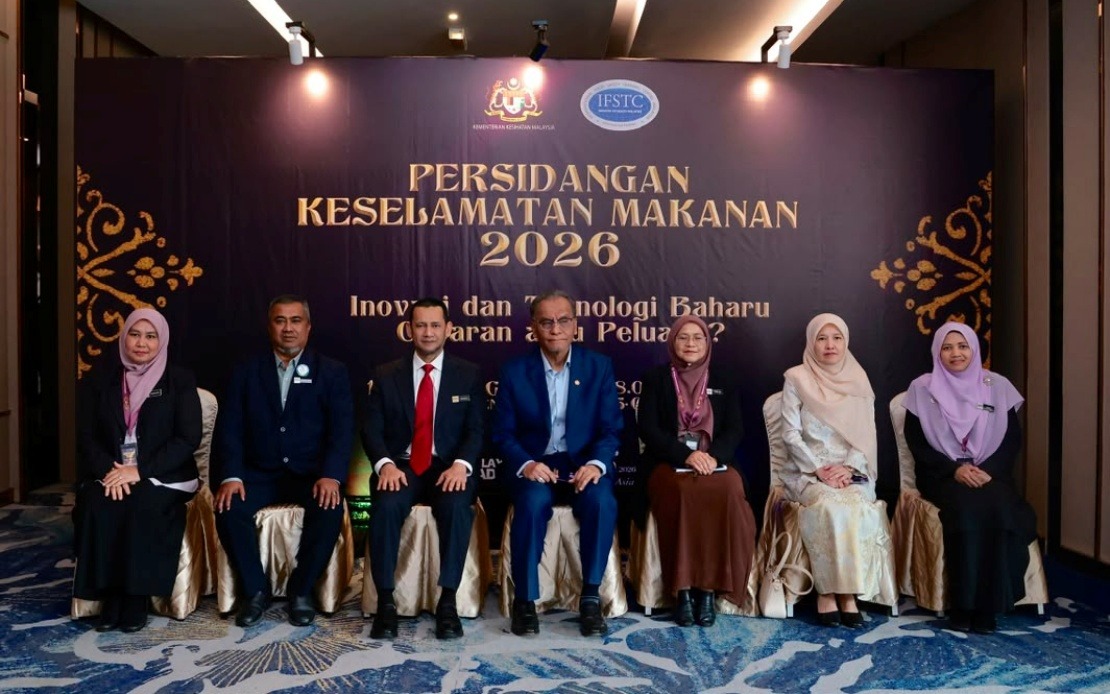
Malaysia has taken a decisive step in regional food governance by formally joining the Asia-Pacific Food Regulatory Authority Summit (APFRAS), a strategic move approved by Cabinet in June that positions the country as a leader in digital transformation of food safety systems across the region. The membership was formally endorsed at a ceremony in Putrajaya concurrent with the opening of the 2026 Food Safety Conference, signalling the government's commitment to evolving how the nation manages the safety and quality of foodstuffs entering Malaysian markets.
Health Minister Datuk Seri Dr Dzulkefly Ahmad articulated the broader significance of this membership during the signing ceremony, emphasising that Malaysia's role as a "Smart Gatekeeper" at the regional level would be substantially enhanced through active participation in APFRAS. The designation reflects growing recognition that Malaysia, as a major regional player with significant food import volumes, holds considerable influence in shaping how neighbouring nations develop and implement food safety standards and protocols.
The timing of Malaysia's accession to APFRAS cannot be separated from a concerning trend in the country's food supply dynamics. Over the past decade, Malaysia's food imports have experienced dramatic growth, escalating from RM42.6 billion in 2013 to RM78.9 billion in 2023—an 85 per cent surge that reflects both population growth and changing consumption patterns. This exponential increase means that the majority of food products consumed on Malaysian dining tables now traverse complex, multi-country supply chains that span continents and pass through numerous regulatory jurisdictions before reaching domestic consumers. Such dependency on imported foodstuffs creates substantial vulnerabilities in supply chain resilience and places considerable pressure on border regulatory agencies to maintain rigorous safety oversight.
The Health Ministry's integration into APFRAS will facilitate Malaysia's advancement of several strategic objectives within the national food safety and security framework. These include leading digital transformation initiatives that modernise how food safety governance operates across the region, establishing regulatory frameworks for emerging biodegradable packaging materials that align with environmental sustainability goals, and harmonising legislative approaches to novel food innovations that enable market access while maintaining consumer protection standards. By participating in a coordinated regional body, Malaysia can influence the development of standards that accommodate technological advancement without compromising safety or creating regulatory fragmentation that complicates business operations.
Addressing the complexities inherent in globalised food supply chains requires technological sophistication that extends beyond traditional inspection and testing methodologies. The Health Ministry has begun exploring deployment of artificial intelligence and predictive analytics as mechanisms for enhancing safety monitoring and control efficiency at Malaysia's entry points. These technologies enable authorities to identify emerging risks before they materialise into public health incidents, analyse patterns across supply chains to detect anomalies, and allocate enforcement resources more strategically. Such technological adoption positions Malaysia advantageously within regional peer networks and demonstrates commitment to evidence-based regulatory approaches.
The 2026 Food Safety Conference, which brought together more than 300 participants from across the region, provided a platform for stakeholders to examine how innovation and emerging technologies present simultaneous challenges and opportunities for food safety governance. The conference's thematic focus on balancing new innovations against risk management reflects a sophisticated understanding that food safety regulation cannot operate through prohibition alone but must engage constructively with technological change. This inclusive, forward-looking approach aligns with APFRAS's broader mission to strengthen regional food regulatory capacity through knowledge-sharing and harmonised standards development.
Malaysia's membership in APFRAS represents more than a symbolic affiliation; it operationalises the country's commitment to the National Food Safety Policy and National Food Security Policy through active regional engagement. For Malaysian businesses engaged in food production, processing, and distribution, membership implies that domestic regulatory requirements will increasingly align with regional standards, reducing compliance complexity for companies with cross-border operations. For consumers, APFRAS participation theoretically enhances the overall safety net protecting food supply chains that stretch across multiple jurisdictions, as participating nations coordinate surveillance, share intelligence on emerging risks, and adopt consistent approaches to contamination incidents.
The confluence of rising import dependency and digital governance innovation creates both strategic necessity and opportunity for Malaysia's food safety sector. As a nation that relies heavily on imported foodstuffs yet maintains sophisticated regulatory capacity, Malaysia occupies a unique position within the region. Through APFRAS, the country can leverage this positioning to establish standards that protect its citizens whilst accommodating the legitimate commercial interests of producers and traders across the Asia-Pacific region. The membership signals that Malaysian policymakers recognise food safety as a competitive advantage requiring continuous modernisation and regional coordination rather than isolated national action.
For Southeast Asian neighbours, Malaysia's leadership in APFRAS carries implications for harmonising food safety standards across the region. Countries increasingly dependent on cross-border food trade benefit from coordinated regulatory approaches that reduce business uncertainty and improve overall supply chain transparency. Malaysia's engagement in setting regional precedents around emerging technologies, packaging materials, and food innovations will likely influence how other nations develop their own regulatory frameworks. This positions Malaysia as a thought leader within ASEAN on food safety governance at a moment when regional integration continues deepening and supply chain resilience has assumed heightened importance following pandemic-induced disruptions.
The strategic expansion of Malaysia's regulatory footprint through APFRAS membership ultimately serves the fundamental objective of safeguarding public health whilst sustaining the food supply chains upon which 34 million Malaysians depend. By combining technological innovation with regional coordination and harmonised standards, Malaysia demonstrates that effective food safety governance in an interconnected world requires simultaneous attention to domestic capacity-building, international collaboration, and future-oriented regulatory design. This multifaceted approach positions the country well to manage the inherent tensions between facilitating trade and maintaining rigorous safety oversight.

