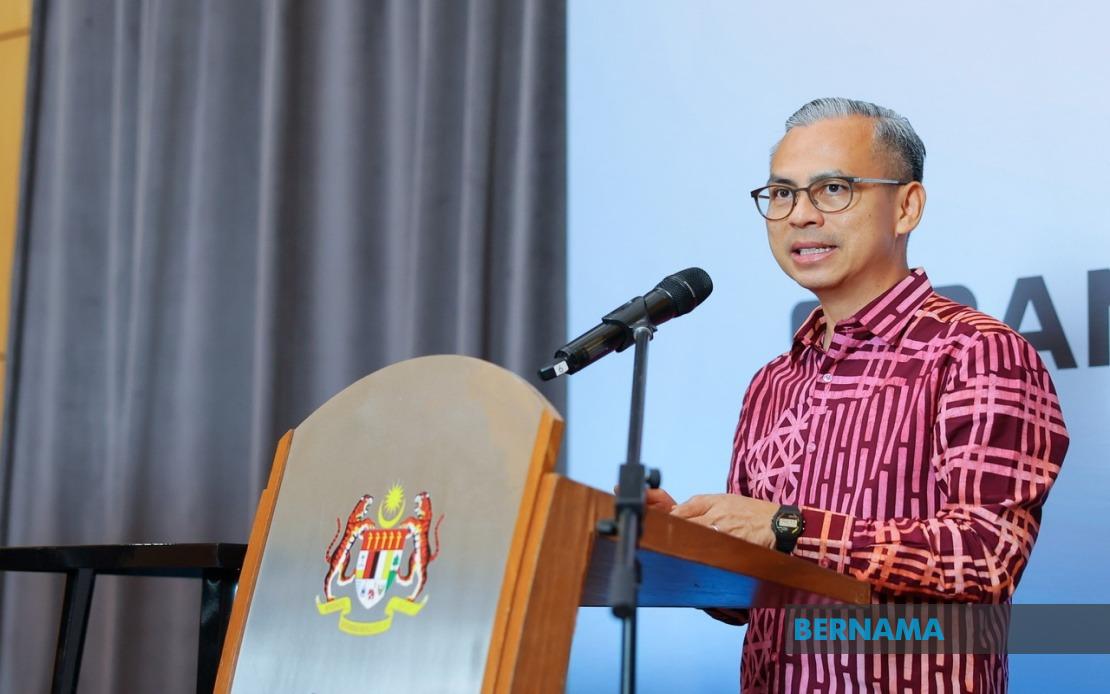
Malaysia's government has moved to centralise its response to the growing menace of online fraud by establishing a dedicated cross-agency working committee, Communications Minister Datuk Fahmi Fadzil announced this week. The committee, formally constituted on June 18 following deliberations during a Cabinet retreat, represents an acknowledgment by policymakers that the fragmented institutional approach to combating cybercrime has proved insufficient as scam operations become increasingly sophisticated and costly to victims.
The initiative emerged directly from heightened concern among senior officials about the trajectory of online scam-related offences, which have become a persistent challenge across Southeast Asia. By assembling representatives from multiple government departments, law enforcement agencies and private sector stakeholders under one coordinated framework, Malaysian authorities are attempting to create a unified intelligence and enforcement apparatus capable of identifying trends, responding rapidly to threats, and building legal cases against perpetrators across jurisdictional boundaries that have traditionally hampered investigations.
Whatat distinguishes this effort from previous piecemeal responses is the deliberate inclusion of the private sector as integral partners rather than peripheral consultants. Banks, telecommunications providers and major technology platforms, including social media companies, have been brought into the committee's working structure for the first time. This innovation reflects a maturing understanding that cybercriminals operate through infrastructure owned and operated by private entities, and that effective disruption requires real-time cooperation between government agencies and the companies whose systems are being exploited for fraudulent purposes.
Fahmi emphasised that the committee's mandate encompasses three interconnected pillars: strengthening enforcement capabilities to pursue and apprehend perpetrators; updating and tightening legislation to close loopholes that criminals exploit; and improving investigative techniques to build robust cases that withstand judicial scrutiny. The minister suggested that several concrete outcomes could emerge in the near term, though he refrained from detailing specific measures, citing the obvious risk that public disclosure of operational strategies would compromise their effectiveness by alerting sophisticated criminal networks to government intentions.
The cross-agency model itself is not novel within Malaysian governance; authorities previously deployed similar coordination structures to address child sexual abuse material and related exploitation crimes, where success depended on intelligence sharing between police, customs, immigration and online platforms. That precedent provides a template and demonstration that institutional silos can be breached when political will and clear directives push agencies toward collaborative action. The government evidently views online scam prevention as meriting comparable strategic priority.
The challenge facing this committee is formidable. Online scams in Malaysia have proliferated across multiple vectors—investment schemes, spoofing of official institutions, romance frauds, credential theft and marketplace deceptions—each requiring different investigative approaches and legislative interventions. Many scams originate from overseas, particularly from organised operations in neighbouring countries, complicating enforcement and creating complications for extradition or cross-border prosecution. The anonymity afforded by digital systems means perpetrators can operate at distance, making traditional policing methods less effective.
From a regional perspective, Malaysia's initiative carries significance beyond its borders. Southeast Asia has emerged as both a victim and source region for online fraud, with criminal networks operating across multiple countries and exploiting regulatory gaps and differing legal standards. A successful Malaysian model combining domestic coordination with international cooperation could influence approaches adopted by neighbouring governments grappling with identical problems. Singapore, Indonesia and Thailand face comparable scam epidemics and would likely monitor outcomes from Malaysia's institutional experiment.
The banking and telecommunications sectors' participation signals their willingness to contribute resources and expertise to combating fraud, though questions persist about whether their commercial interests—particularly resistance to security measures that increase operational costs or reduce user convenience—will align with crime prevention objectives. Regulators must balance calls for stronger security protocols with concerns that excessive friction in legitimate transactions could drive users toward informal channels or unregulated services.
The committee's formation also reflects political pressure from the public and civil society, as victimisation by scams has reached levels prompting widespread complaints and eroding confidence in digital payment systems and e-commerce. Citizens who experience financial loss through online fraud often harbour frustration with what they perceive as inadequate institutional response, motivating government to demonstrate visible action and urgency. Whether this coordinated approach translates into measurable reductions in scam incidents and successful prosecution rates will ultimately determine public perception of its efficacy.
Looking ahead, the committee faces the task of converting structural coordination into operational effectiveness. Institutional inertia, competing priorities among agencies, and the resource intensity of investigations into sophisticated fraud can undermine even well-intentioned initiatives. Success will depend on securing sustained political backing, allocating adequate funding to investigative capacity, ensuring effective information sharing protocols among participants, and maintaining momentum beyond initial announcements.

