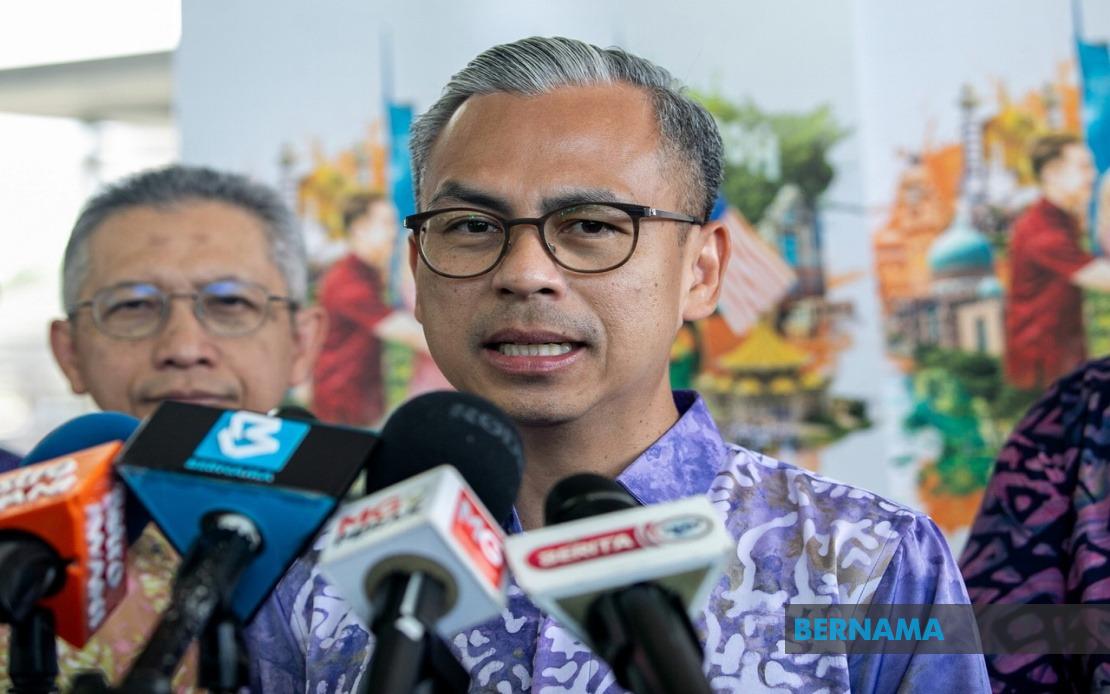
Malaysia's government has formally launched the overarching theme for next year's National Day and Malaysia Day festivities, positioning shared prosperity as the centrepiece of national celebrations that will span the entire month of August. Communications Minister Datuk Seri Fahmi Fadzil unveiled the concept 'Malaysia MADANI: Kesejahteraan Dinikmati' (Malaysia MADANI: Shared Prosperity) at a ceremonial event in Ipoh, where Prime Minister Datuk Seri Anwar Ibrahim presided over proceedings. The choice of theme signals the administration's determination to frame national unity around the principle that economic advancement and social development must benefit Malaysians universally, transcending traditional dividing lines of ethnicity, faith, geography and socioeconomic status.
The government's interpretation of shared prosperity extends considerably beyond conventional measures of economic output and gross domestic product expansion. Instead, Fahmi articulated a multidimensional vision that encompasses tangible improvements in living standards, genuine equality of access to opportunities, and the systematic redistribution of development gains so that prosperity becomes genuinely widespread rather than concentrated among narrow segments of society. This philosophical underpinning reflects broader conversations within the MADANI administration about what sustainable and inclusive growth actually means in practice for ordinary Malaysians navigating inflation, employment challenges and housing affordability concerns. The framing acknowledges that prosperity must be felt in real terms by citizens, whether through improved healthcare access, educational quality, employment prospects or community infrastructure.
Central to the government's messaging is an explicit commitment to inclusivity as an operational principle rather than merely aspirational rhetoric. Fahmi emphasised repeatedly that the MADANI administration views no Malaysian as expendable or peripheral to national development narratives. This inclusive orientation carries particular resonance given ongoing national conversations about regional disparities, rural-urban divides and the circumstances of marginalised communities. By embedding this commitment within the framework of National Day celebrations themselves, the government seeks to position inclusivity as fundamental to Malaysian identity and national purpose, rather than treating it as a secondary policy consideration that can be deferred or compromised.
Malaysia's internal diversity—spanning multiple ethnic communities, religious traditions, regional identities and cultural practices—receives explicit recognition in the government's framing. Rather than treating diversity as a challenge to be managed or overcome, the MADANI narrative repositions it as a foundational strength and historical asset. This stance carries implications for how national unity is conceptualised and pursued. Instead of demanding cultural homogeneity or the subordination of particular identities, the government narrative suggests that unity emerges through mutual respect, acknowledgment of shared citizenship, and commitment to equitable treatment. This approach potentially offers a framework for addressing communal tensions that have occasionally surfaced in Malaysian public discourse around issues of cultural representation and resource allocation.
The practical manifestation of this thematic vision involves multiple coordinated campaigns and programmes rolling out throughout the 2026 National Month. The 'One House, One Jalur Gemilang' initiative encourages household-level participation in flag displays and patriotic observance, aiming to democratise national celebration beyond government institutions and corporate participation. Simultaneously, the Kembara Merdeka Jalur Gemilang convoy programme will traverse the country, bringing national celebrations and patriotic messaging directly to communities nationwide. These grassroots-oriented initiatives suggest the government recognises that sustainable national unity requires participation and emotional investment from ordinary citizens rather than remaining confined to official ceremonies and elite-level discourse.
The launch ceremony itself, held at the Sultan Azlan Shah Ministry of Health Training Institute in Tanjung Rambutan, carried symbolic significance. Situating the announcement within a healthcare training facility underscores connections between national development narratives and concrete improvements in public services that affect daily life. The presence of National Unity Minister Datuk Aaron Ago Dagang and Perak Menteri Besar Datuk Seri Saarani Mohamad demonstrated coordination across different governmental tiers and ministerial portfolios, suggesting that shared prosperity framing extends across diverse policy domains rather than remaining confined to symbolic gestures.
For regional observers and neighbouring Southeast Asian governments, Malaysia's emphasis on inclusive shared prosperity frameworks offers interesting comparative implications. The MADANI administration's positioning suggests confidence that multiethnic democracies can pursue development strategies prioritising equity and broad-based benefit distribution rather than concentrating gains among elites or particular communities. This stands in contrast to some regional trajectories where development has widened inequality or concentrated resources within narrow groups. Malaysia's explicit commitment to inclusive prosperity, advanced through high-profile national celebrations, potentially influences regional conversations about development models and social contracts.
The emphasis on shared responsibility for protecting national unity and sovereignty carries particular weight in contemporary geopolitical contexts. The government's framing suggests that national resilience depends on all Malaysians internalising collective responsibility for maintaining harmony, preserving sovereignty, and ensuring the nation's international standing. This appeal to shared custodianship potentially serves multiple functions—it mobilises broader segments of the population as active participants in national projects rather than passive subjects of governance, while simultaneously distributing responsibility for national outcomes beyond governmental institutions alone. When citizens are framed as custodians rather than merely beneficiaries, accountability structures shift in subtle but potentially significant ways.
The decision to anchor 2026 celebrations around prosperity and equity rather than alternative themes—such as modernisation, technological advancement, or military strength—reflects deliberate choices about national identity and governmental legitimacy. Prosperity-focused messaging resonates with citizens' immediate material concerns and suggests governments must demonstrate delivery on foundational promises of improving living standards. This represents something of a course correction from national day messaging that emphasised other dimensions of national grandeur or achievement. The choice also implicitly acknowledges that citizens' allegiance to national projects depends substantially on tangible improvements in their circumstances rather than abstract appeals to tradition or historical pride.
Information dissemination will occur through the Merdeka 360 portal and the Information Department's social media platforms, reflecting contemporary expectations about government communication channels and digital engagement. This approach acknowledges that effective messaging about national themes requires meeting citizens where they consume information and engaging through platforms facilitating two-way dialogue. The reliance on digital channels suggests recognition that younger demographics particularly expect interactive, accessible information rather than unidirectional broadcast communications. The government's deployment of multiple information channels indicates commitment to ensuring diverse segments of the population encounter messaging about shared prosperity and inclusive development irrespective of their preferred media consumption patterns.

