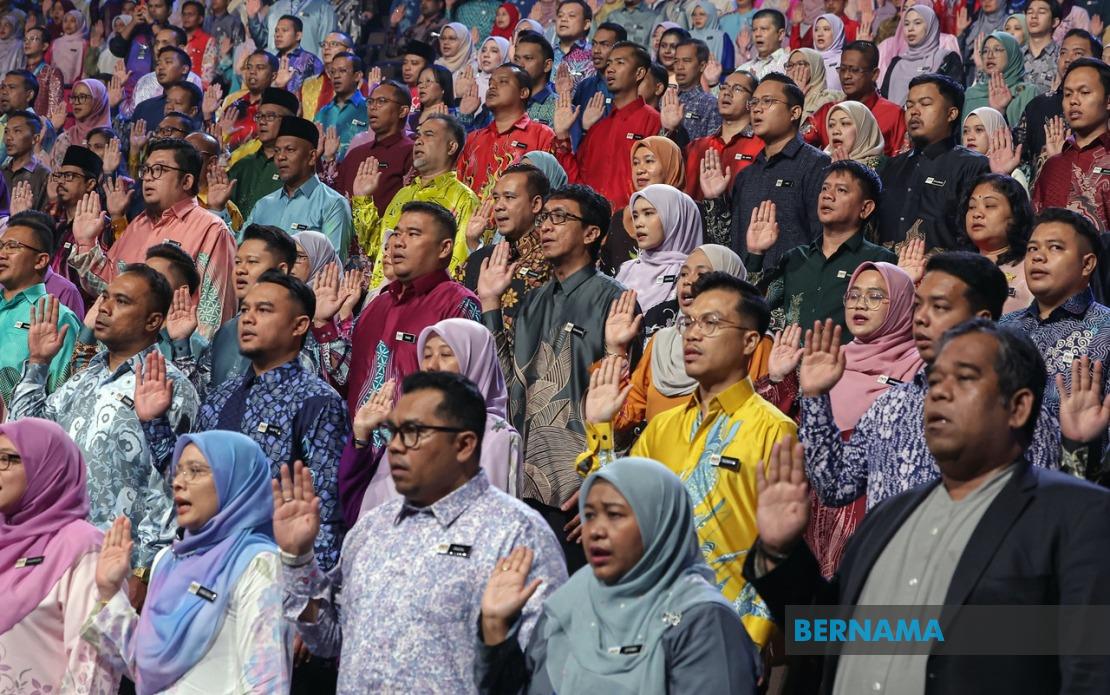
The Malaysian government will keep the retirement age for civil servants fixed at 60 years old, according to a Cabinet decision announced today. Communications Minister Datuk Fahmi Fadzil, who serves as spokesman for the MADANI administration, confirmed the government determined that the current threshold requires no adjustment at the present time. The decision was formally endorsed during today's Cabinet meeting, concluding a period of consideration around whether demographic shifts and changing workforce patterns warranted moving the retirement milestone to a later age.
The retention of the 60-year mark reflects the government's assessment that existing retirement provisions remain adequate for managing the civil service workforce and pension obligations. This finding carries significance for Malaysia's approximately 1.6 million civil servants and their long-term career planning. The decision also has broader implications for the nation's overall demographic strategy as the population ages and labour force participation patterns evolve across different sectors.
Simultaneously, the Cabinet announced a substantial shift in how public sector employees contribute to workplace protection insurance. Prime Minister Datuk Seri Anwar Ibrahim brought forward feedback received regarding the mandatory 0.75 per cent salary contribution that workers must pay into the Social Security Organisation's LINDUNG 24 Jam scheme, which provides coverage for non-work-related accidents and injuries. The scheme, formally known as the Non-Employment Injury Scheme, had generated considerable discussion among civil servants concerned about the financial burden of additional deductions.
Responding to these concerns, the Cabinet voted to transform the LINDUNG 24 Jam contribution from a mandatory obligation into a voluntary arrangement with immediate implementation. This represents a significant concession to public sector employee feedback, acknowledging workplace sentiment about disposable income pressures. For Malaysian civil servants, the change means they now retain discretion over whether to participate in the expanded insurance protection, rather than having contributions automatically deducted from their salaries.
The voluntary status takes effect immediately, providing no transition period during which employees must adjust their budget planning. This instantaneous implementation suggests the government views the change as straightforward to execute administratively, with existing payroll systems capable of accommodating voluntary opt-in arrangements. The immediacy also signals the government's responsiveness to worker concerns and its priority on alleviating financial pressure on the civil service workforce.
Fahmi indicated that the Ministry of Human Resources (KESUMA) will issue a comprehensive statement detailing the implementation procedures for the newly voluntary contribution structure. This forthcoming guidance will likely address practical questions about how civil servants can enrol or withdraw from the scheme, what documentation is required, and how the transition will be managed for those already paying the 0.75 per cent contribution. The ministry's involvement underscores the significance of this policy modification within the broader civil service management framework.
The Cabinet's dual decisions on retirement age and insurance contributions reflect the government's balancing act between maintaining fiscal sustainability and responding to public sector employee welfare concerns. While rejecting pressure to extend working lives further, the administration simultaneously demonstrated flexibility on employee deductions, suggesting a calibrated approach to civil service policy that considers both institutional needs and worker sentiment.
For regional observers and neighbouring Southeast Asian nations managing similar civil service challenges, Malaysia's approach offers instructive contrasts. While many countries have gradually increased retirement ages to offset demographic ageing and rising pension costs, Malaysia's decision to hold firm at 60 suggests either stronger confidence in current fiscal arrangements or different demographic pressures than neighbouring states face. Conversely, the shift toward voluntary insurance contributions aligns with broader global trends emphasizing worker choice and reducing mandatory benefit deductions.
The retirement age decision also intersects with Malaysia's national productivity and economic growth objectives. Keeping experienced professionals in the workforce longer might boost productivity and institutional knowledge retention, but the government apparently concluded that current staffing levels and pension sustainability do not necessitate this approach. The decision may reflect confidence that the existing civil service establishment can meet operational demands without extending service periods.
For Malaysian workers across both public and private sectors, these developments carry indirect significance. Government workforce policies often establish precedents that influence broader employment norms. The retention of 60 as the retirement threshold provides clarity for civil servants planning their post-employment lives, while the voluntary insurance contribution model may prompt private sector discussions about whether mandatory benefit deductions warrant reconsideration.
The Cabinet's announcements conclude a period of internal deliberation about civil service modernization and employee benefits. These decisions will now guide human resources management across government ministries and agencies for the foreseeable future, shaping retirement planning assumptions for hundreds of thousands of public servants and their families throughout Malaysia.

