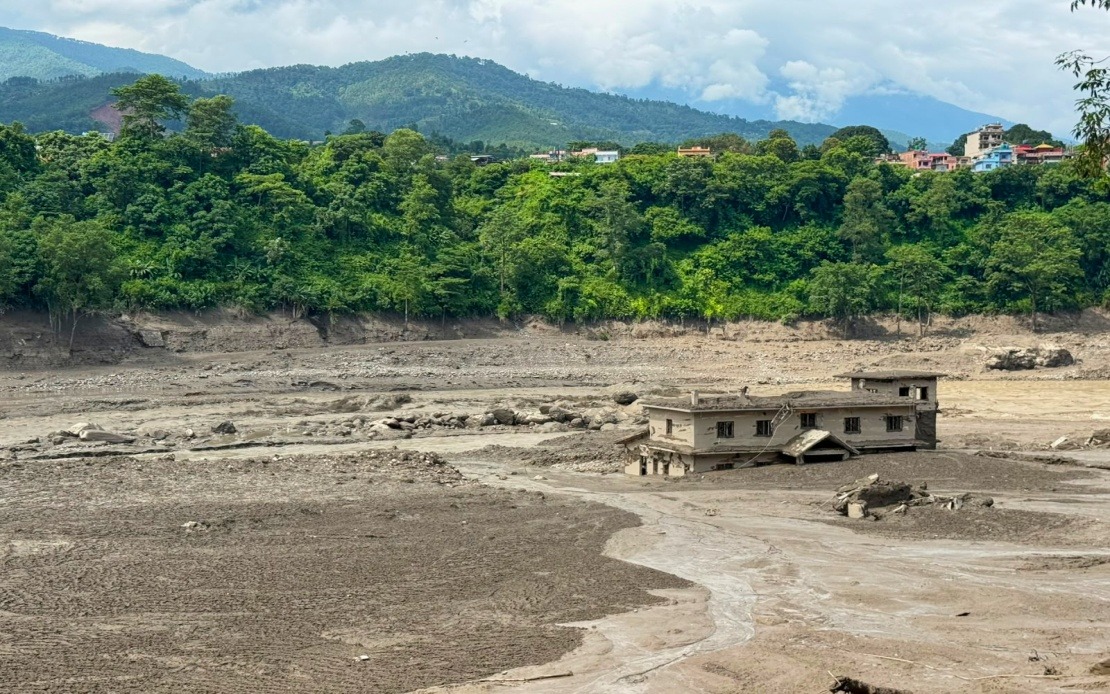
Prime Minister Datuk Seri Anwar Ibrahim has voiced serious concern following catastrophic flash floods that swept through Nepal's Rasuwa district, while Malaysian government agencies intensify efforts to locate and account for 54 nationals whose whereabouts remain unknown. The government has deployed comprehensive diplomatic and coordination mechanisms across multiple countries to manage the crisis and ensure the safety of affected Malaysians, according to announcements made on Tuesday.
The Malaysian Embassy in Kathmandu is working in close partnership with Nepalese authorities and other relevant agencies to establish contact with the missing individuals and assess their current circumstances. In a strategic move to strengthen operational capacity on the ground, officials from the Malaysian High Commission in Dhaka, Bangladesh, have been activated to supplement coordination efforts. This multi-layered approach reflects the severity of the communication breakdown caused by the disaster and demonstrates Malaysia's commitment to leaving no stone unturned in the search operation.
Anwar conveyed his alarm through a public statement, highlighting that the Foreign Ministry had informed him of the communication blackout affecting the 54 Malaysians. The Prime Minister emphasised that active pursuit of their location and obtaining health updates are now priority operations for relevant authorities. His intervention at the highest political level signals the gravity with which the government is treating the situation and underscores Malaysia's commitment to citizen welfare abroad during international emergencies.
The disaster struck the Nepal-Tibet border region yesterday, triggered by heavy rainfall combined with glacier landslides along the Bhote Koshi River. The converging natural phenomena created a perfect storm of destruction, with the resulting flooding sweeping through the Rasuwa district with devastating force. The intensity of the disaster has been compounded by its geographic location in a mountainous terrain that presents inherent challenges for rescue operations and emergency response.
The infrastructure damage has substantially hampered rescue and communication efforts. The floods have severed communication networks across the affected region, leaving families and authorities unable to establish contact with people in the disaster zone. Additionally, the main road connecting Rasuwa district to Kathmandu, the national capital, has been cut off, effectively isolating the affected area and creating a bottleneck for the movement of rescue personnel, medical supplies, and evacuated victims. These logistical obstacles have transformed what would otherwise be a challenging rescue operation into an exceptionally complex undertaking.
For Malaysian citizens and their families, the situation represents an agonising period of uncertainty. The communication blackout means many families in Malaysia have no direct knowledge of their relatives' conditions or locations. The Foreign Ministry's active engagement with Nepalese authorities is designed to bypass these communication barriers and provide families with authoritative information as it becomes available. The coordination with Bangladesh's high commission indicates Malaysia is working through multiple diplomatic channels and regional connections to access information and resources that might not be immediately available through direct channels.
The MADANI Government has committed to maintaining close monitoring of developments as the situation evolves. Through the Foreign Ministry, the administration has pledged to mobilise all available resources to prioritise the safety and wellbeing of affected Malaysians. This commitment extends beyond immediate rescue operations to include longer-term support and assistance for citizens once they are located and accounted for, including medical attention and repatriation arrangements if necessary.
Anwar's public appeal for nationwide prayers reflects the religious and cultural dimensions of how the Malaysian government frames national crises. His invocation of community support and spiritual intervention through Islamic devotional practices demonstrates how official responses are framed within Malaysia's cultural context. The message serves a dual purpose: it reinforces social cohesion during crisis and emphasises that the government is pursuing every conceivable avenue—diplomatic, practical, and spiritual—to secure positive outcomes.
The incident highlights the vulnerabilities faced by Malaysian travellers in remote regions during natural disasters. Rasuwa district, while within Nepal's borders, is situated in the challenging high-altitude terrain of the Himalayas, where infrastructure is typically less resilient and rescue operations inherently more difficult than in developed areas. For Malaysian tourism and travel industries, the event raises questions about safety protocols, travel advisories, and insurance provisions for travellers venturing into geographically hazardous destinations across Southeast Asia and beyond.
For regional observers, the Nepal floods underscore how natural disasters transcend national boundaries and demand coordinated multilateral responses. Malaysia's activation of diplomatic resources in Bangladesh alongside direct engagement with Nepal demonstrates how Southeast Asian nations leverage their networks and bilateral relationships to manage transnational crises affecting their citizens. The situation also reflects the broader vulnerability of the region to climate-related natural disasters, with extreme weather events becoming increasingly frequent and severe.
The unfolding rescue operation will likely set precedents for how Malaysia coordinates future emergency responses involving citizens stranded in difficult terrain across the region. The lessons learned from coordinating with Nepalese authorities, managing communication challenges, and mobilising resources through multiple diplomatic channels will inform future protocols. As information emerges about the location and condition of the 54 uncontactable Malaysians, the effectiveness of this coordinated response will be evaluated and potentially refined for future incidents.

