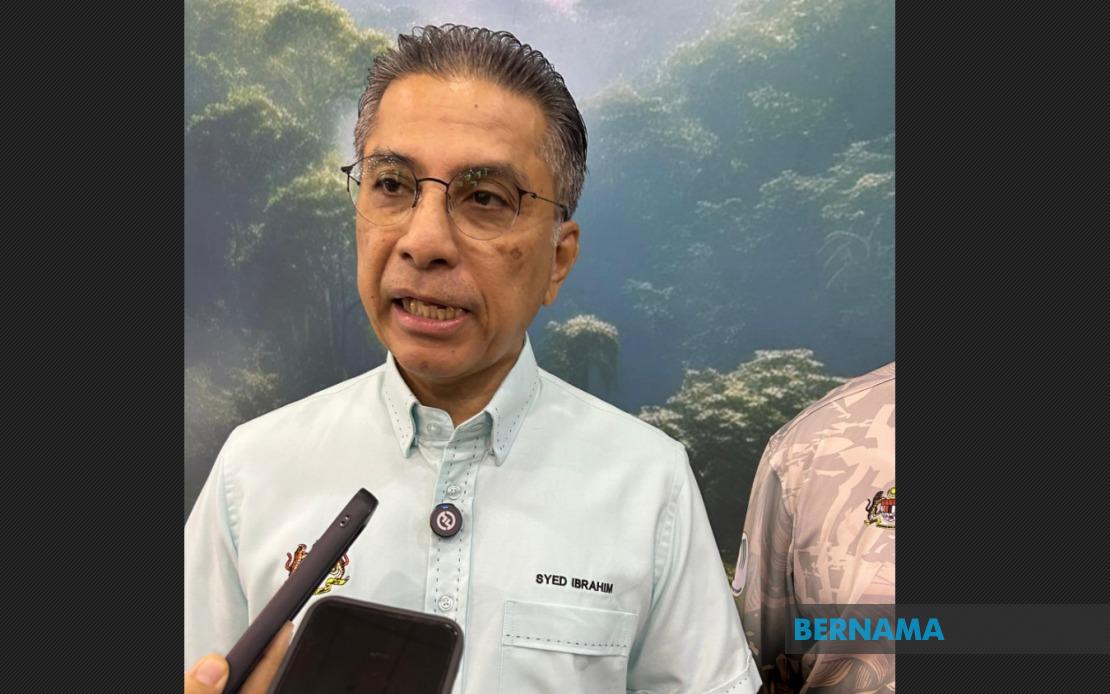
Malaysia's Ministry of Natural Resources and Environmental Sustainability is maintaining close oversight of three Asian elephants relocated to Tennoji Zoo in Osaka, Japan, since March this year. The three animals—Dara, Amoi, and Kelat—represent a significant commitment to international wildlife collaboration, forming the centrepiece of an ambitious 25-year strategic conservation partnership between Taiping Zoo and Night Safari (ZTNS) and Tennoji Zoo. Deputy Minister Syed Ibrahim Syed Noh confirmed the monitoring arrangements during parliamentary proceedings, addressing concerns raised by lawmakers about the ongoing welfare of these animals during their relocation and acclimatisation.
The relocation reflects a growing trend among Southeast Asian nations to engage in cooperative wildlife management with international zoo networks. Such partnerships aim to strengthen genetic diversity in captive elephant populations whilst supporting conservation research and education across borders. However, the transfer of endangered species invariably attracts scrutiny from animal welfare advocates and environmental groups, who question whether international movements serve genuine conservation goals or primarily benefit the institutions involved. The Malaysian government's decision to implement rigorous oversight mechanisms demonstrates an attempt to balance diplomatic engagement with Japan against domestic concerns about animal welfare standards.
Before the elephants were permitted to travel, Malaysia's Department of Wildlife and National Parks (Perhilitan) conducted thorough assessments examining both the physical and psychological dimensions of the proposed relocation. These evaluations examined whether Tennoji Zoo met international wildlife management standards and could adequately accommodate three large herbivores with complex social and environmental needs. The pre-movement assessment phase represents best practice in international animal transfers, ensuring that destination facilities possess appropriate infrastructure, expertise, and long-term commitment before animals arrive. Such due diligence helps prevent costly mistakes and animal suffering that could result from inadequate preparation.
To facilitate the transition and maintain continuity of care, Perhilitan deployed seven experienced mahouts to accompany the elephants on rotating assignments during the initial two-month period following arrival. These skilled handlers brought with them deep knowledge of the animals' individual temperaments, dietary preferences, and behavioral patterns—information that proves invaluable during the stressful early months of relocation. The presence of familiar caretakers from Malaysia helps reduce psychological stress on the elephants whilst allowing Tennoji Zoo staff to observe established handling practices and learn directly from specialists accustomed to the animals' needs. This knowledge transfer represents an underappreciated but crucial component of successful international wildlife movements.
Continuing this support structure, the Ministry arranged for two additional mahouts to be stationed at Tennoji Zoo throughout June, extending Malaysia's hands-on involvement into the second phase of adaptation. The staggered approach recognises that acclimatisation extends beyond the initial weeks; environmental adjustment, dietary transitions, and psychological settling typically require months or longer. By maintaining a rotating presence of Malaysian handlers across the critical early period, NRES demonstrates commitment to proactive monitoring rather than passive oversight. This strategy also establishes ongoing channels of communication between the Malaysian authorities and Japanese zoo management, creating a framework for addressing any emerging welfare concerns promptly.
Parliamentary concern about the elephants' relocation reflected broader anxiety within Malaysia regarding the treatment of exported wildlife. Lawmaker Young Syefura Othman raised questions about government protocols for monitoring animals sent abroad and requested information about previous elephant exports. Such scrutiny underscores the political sensitivity surrounding international animal transfers in Malaysia, where domestic constituencies increasingly expect government agencies to prioritise animal welfare considerations. The questions posed during the Dewan Rakyat session indicate that wildlife management has become a matter of public concern transcending traditional conservation circles, with elected representatives responding to constituent demands for transparency and accountability.
When asked about public and non-governmental organisation calls to repatriate the three elephants, Syed Ibrahim framed the government's position within dual constraints: maintaining factual and legal consistency whilst preserving diplomatic relations with Japan. This formulation reflects the real tensions inherent in international relations, where governments must balance multiple stakeholder interests including animal welfare advocates, diplomatic partners, and conservation objectives. The Deputy Minister indicated that any decisions regarding the elephants' future would emerge through official negotiations between ZTNS and Tennoji Zoo, governed by the existing master agreement binding both institutions. This contractual framework, established prior to the relocation, defines the parameters within which Malaysian authorities can exercise influence over the elephants' circumstances.
Regarding proposals for independent observation missions or NGO visits to Tennoji Zoo, the Ministry signalled openness to facilitating such arrangements subject to mutual agreement between both zoo institutions. This qualified endorsement recognises the legitimate interest of civil society organisations in verifying animal welfare claims whilst acknowledging that such visits require coordination and mutual consent rather than unilateral Malaysian authorization. The position suggests a pragmatic approach to stakeholder engagement, inviting third-party scrutiny without surrendering Indonesian institutional autonomy or appearing to doubt Japanese partners' commitment to ethical animal management. Enabling independent verification could ultimately strengthen confidence in the programme by demonstrating transparency and confidence in Tennoji Zoo's operations.
Historical claims about the fate of previously exported Malaysian elephants required clarification during the parliamentary discussion. Public assertions that 19 elephants had been lost following export prompted the Deputy Minister to distinguish between unofficial allegations and verified records. According to official Perhilitan documentation, only ten elephants have been exported overseas since 1977—a considerably smaller figure than popularly believed. This discrepancy between public perception and official records highlights the importance of maintaining transparent, accurate data on wildlife movements. Incomplete or inaccurate information fuels speculation and undermines public trust in government wildlife management, suggesting that enhanced communication about past exports could address legitimate concerns.
The three-decade history of Malaysian elephant exports reflects the gradual evolution of international conservation thinking. Early exports, some dating to the 1970s and 1980s, occurred during an era when moving animals between institutions was viewed more straightforwardly as beneficial species dispersal. Contemporary understanding emphasises the complexities of relocation including genetic considerations, behavioural impacts, and welfare implications. The Tennoji Zoo arrangement represents modern conservation partnership thinking, incorporating pre-movement assessments, on-site support mechanisms, and ongoing monitoring. This suggests Malaysian wildlife policy has incorporated lessons from earlier experiences, attempting to apply higher standards to current international cooperation whilst managing historical elephant export records with appropriate humility.
Looking forward, the Malaysian government's intensive monitoring of the Tennoji Zoo elephants establishes a template potentially applicable to future international wildlife partnerships. By deploying mahouts, conducting welfare assessments, and maintaining official oversight mechanisms, NRES demonstrates that involvement in international cooperation need not mean relinquishing responsibility for animals' wellbeing. The 25-year timeframe of the ZTNS-Tennoji Zoo partnership extends across multiple government administrations in both countries, requiring institutional continuity and documented commitment that transcends political cycles. Such long-term arrangements necessitate robust monitoring frameworks and clear accountability mechanisms, particularly when public concern and NGO scrutiny make wildlife welfare decisions inherently political. The elephants in Osaka thus represent not merely individual animals but test cases for Malaysia's capacity to engage responsibly in international wildlife management while honouring domestic expectations of stewardship and transparency.

