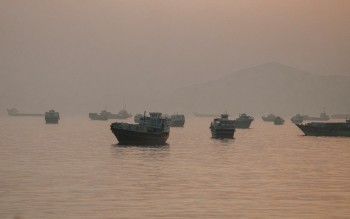
The Malaysian government has sounded an urgent alarm about the economic vulnerabilities facing the nation in the wake of Iran's renewed closure of the Strait of Hormuz, one of the world's most critical maritime chokepoints through which roughly one-fifth of global oil supplies transit. Economy Minister Akmal Nasrullah Mohd Nasir delivered the warning on July 15, emphasizing that complacency would be dangerous even as scattered reports suggest some commercial traffic continues to move through the waterway. The closure follows a fresh round of United States military strikes on Iranian targets on July 8, escalating tensions in the Middle East and creating ripple effects that extend far beyond the region's borders.
While occasional vessels may still navigate the Strait of Hormuz, the minister cautioned that such limited activity should provide no reassurance to policymakers or business leaders. The mere perception of resumed restrictions on one of the world's most essential shipping corridors has immediate psychological and market impacts, driving up insurance premiums and creating uncertainty that affects trading decisions. For a trade-dependent nation like Malaysia, which relies heavily on imported energy and raw materials while exporting manufactured goods globally, any sustained disruption to this artery of international commerce poses direct threats to economic stability and growth. Akmal Nasrullah made clear that Malaysia cannot isolate itself from geopolitical upheavals occurring thousands of kilometres away, particularly when they strike at the heart of global energy infrastructure and supply networks.
The immediate concern centres on crude oil pricing, which remains the most visible but not the only consequence of Hormuz tensions. Malaysia, though not heavily reliant on direct oil imports from Iran, still faces pressure from global petroleum prices influenced by regional instability and perceived supply risk. More consequential for Malaysian consumers and manufacturers are the cascading effects on shipping costs, as vessels must take longer, more expensive routes to avoid potential conflict zones. These elevated transportation expenses translate into higher production costs for Malaysian exporters and increased prices for imported consumer goods, from electronics to foodstuffs. The minister warned that these inflationary pressures would likely persist if the regional crisis deepens or extends over many months.
Beyond petroleum and shipping, Akmal Nasrullah highlighted the intricate web of global supply chains that undergird modern manufacturing and trade. The Malaysian economy depends substantially on complex, interconnected production networks spanning multiple countries and sectors. When disruptions occur at critical nodes—such as the Hormuz Strait—the shockwaves reverberate across seemingly unrelated industries. A shortage of raw materials in one region can quickly create bottlenecks in production facilities thousands of kilometres away, while price increases for key inputs ripple through supply chains that depend on just-in-time delivery of components. This systemic fragility means that Middle Eastern tensions become Malaysian economic concerns almost instantaneously, affecting everything from manufacturing schedules to retail prices.
The minister provided a concrete example illustrating how tightly integrated modern supply chains have become. Disruptions to plastic manufacturers, he explained, would swiftly cascade across food packaging, electrical components, automotive production, medical devices, construction materials, agricultural inputs and manufactured exports. This domino effect underscores why Malaysian policymakers and business leaders cannot dismiss regional conflicts as distant concerns. A shortage of plastic resin could stall automobile assembly lines in Shah Alam or cause food producers in Johor to face packaging shortages. These second and third-order effects often prove more economically damaging than the direct impact of the original disruption, particularly for export-dependent economies like Malaysia's.
Food security emerged as a particular concern in the minister's remarks, reflecting awareness that rising transportation costs and input price inflation would eventually reach Malaysian dinner tables. International food prices, already subject to volatility from weather, agricultural cycles and trade policies, would face additional upward pressure from elevated shipping costs and energy price spikes. For a nation that imports significant quantities of wheat, meat, dairy and other staples, Hormuz instability translates into a real risk of consumer price increases, potentially affecting household budgets and raising social tension. The government's challenge lies in managing these inevitable pressures while maintaining economic competitiveness and social stability.
Akmal Nasrullah's message carried an implicit call for all stakeholders—government agencies, private sector enterprises and individual consumers—to adopt a forward-looking, proactive stance rather than reactive crisis management. His remarks suggested that Malaysian authorities are conducting scenario planning around various Hormuz closure timelines and severity levels, considering how different durations of disruption would affect inflation, employment, export demand and fiscal revenues. Businesses, he implied, should review their supply chain dependencies, identify vulnerabilities and where possible develop alternative sourcing strategies or inventory buffers. Individual Malaysians might consider prudent consumption and savings decisions in anticipation of potential price increases.
The regional context underscores why this warning carries particular weight. Southeast Asia's integration into global supply chains has made the region simultaneously wealthier and more vulnerable to distant shocks. The Strait of Hormuz closure scenario represents exactly the kind of geopolitical risk that policymakers in the region have long worried about but perhaps insufficiently planned for. Unlike many developed economies with strategic petroleum reserves and diverse energy portfolios, Malaysia and neighbouring countries have more limited buffers against sustained energy price spikes or extended supply chain disruptions. The minister's call for vigilance essentially acknowledged that Malaysia must work within constraints it cannot control, but can manage through preparation and adaptation.
Moving forward, the government faces the delicate task of balancing transparency about economic risks with avoiding panic that could itself become economically destabilizing. Akmal Nasrullah's decision to communicate the warning through social media rather than alarming press conferences represented a measured approach to keeping the public informed without creating unnecessary anxiety. The broader policy challenge involves strengthening supply chain resilience through measures such as diversifying trading partnerships, encouraging strategic inventory policies among key industries, and potentially reviewing energy security arrangements. For Malaysia, navigating the economic consequences of Middle Eastern instability requires sustained vigilance and creative problem-solving at every level of the economy.

