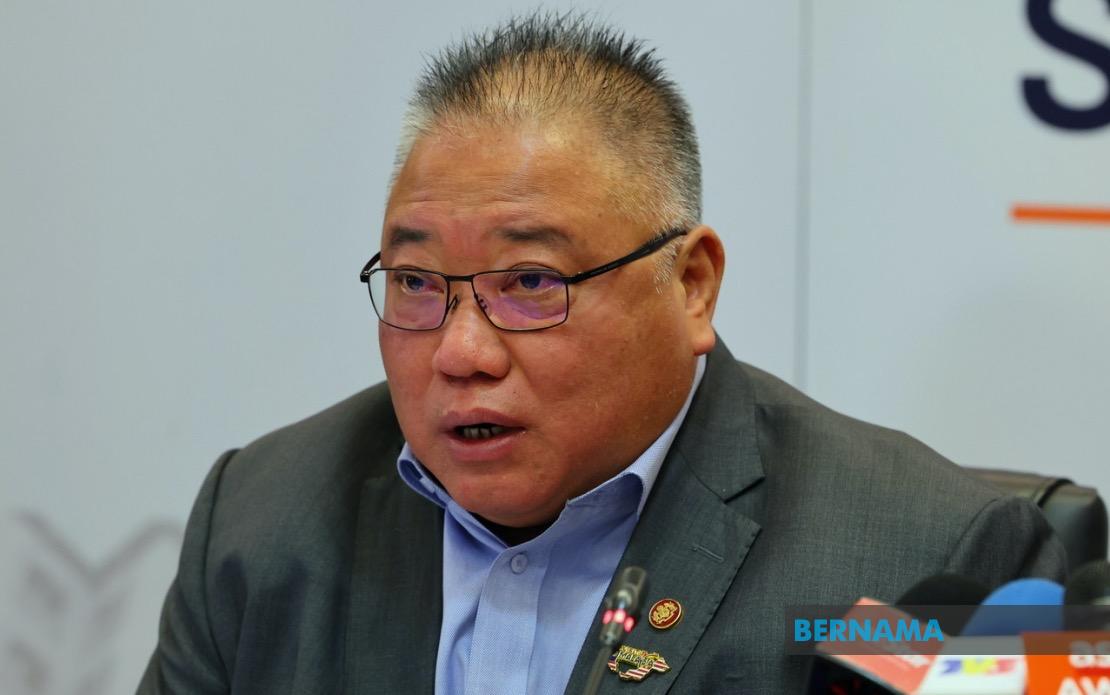
Tourism, Arts and Culture Minister Datuk Seri Tiong King Sing has called for urgent reforms to Malaysia's aviation security framework after a Malaysia Airlines co-pilot was detained in Indonesia on suspicion of involvement in drug trafficking. The incident, Tiong warned, exposes critical vulnerabilities in how the country screens and monitors flight personnel, and demands immediate corrective action to preserve public confidence in the safety of Malaysia's aviation sector and protect the nation's standing as a secure tourist destination.
The co-pilot, a 39-year-old Malaysian, was apprehended at Soekarno-Hatta International Airport's Terminal 3 in Jakarta on July 29 after arriving on Malaysia Airlines flight MH727 from Kuala Lumpur. He is suspected of attempting to smuggle a substantial quantity of narcotics, including more than 70,000 ecstasy pills weighing 25 kilogrammes. The arrest has sent shockwaves through Malaysia's aviation industry and raised uncomfortable questions about the adequacy of existing safeguards for ensuring flight crew integrity.
Tiong's intervention represents a significant escalation in official concern about the incident. While Malaysia Aviation Group (MAG) issued a statement noting that the detained pilot was not operating the aircraft on the day in question, the minister rejected this as a hollow response that misses the fundamental issue. He argued that passengers and the travelling public care little whether the individual was actually at the controls; what matters far more is the positive drug test result and what it reveals about gaps in the system designed to prevent such individuals from accessing the aviation environment in the first place.
The minister characterized MAG's response as reflective of a troubling "denial syndrome," suggesting the company prioritised defending its operational credentials over addressing legitimate public anxiety. Rather than focusing on whether the co-pilot was scheduled to fly on that particular day, Tiong contended, the airline should acknowledge the serious breach of trust and commit transparently to systemic improvements. This stance underscores growing political pressure on Malaysia's aviation establishment to move beyond damage control messaging toward genuine institutional reform.
Tiong proposed concrete measures to tighten crew screening protocols. He called for pilots and cabin crew to arrive at their places of work significantly earlier than current practice—between 90 minutes and two hours before their scheduled duties—to undergo mandatory drug and health screening. Only after successfully completing these checks should personnel be permitted to commence their assigned flights. This approach would institutionalise a verification process immediately preceding flight operations, rather than relying on periodic or random testing conducted outside the operational environment.
The proposed changes would require coordination among multiple stakeholders. Airlines, civil aviation regulatory authorities, and the narcotics division of the Royal Malaysian Police would need to collaborate closely to design and enforce uniform standards across the industry. Such coordination challenges are significant, particularly given the need to balance operational efficiency with security imperatives. The implementation would also require investment in screening infrastructure and trained personnel at airports nationwide.
Beyond crew-specific measures, Tiong identified broader airport security systems as requiring comprehensive review. Existing procedures, screening equipment, and coordination mechanisms among different agencies at border and airport facilities should be examined for weaknesses and potential blind spots. The goal extends beyond preventing drug smuggling to encompassing all threats to aviation safety and national security. Any systemic deficiencies discovered should be rectified promptly to restore the integrity of Malaysia's status as a secure and professional aviation hub.
The reputational dimension of this incident carries particular weight for Malaysia's tourism sector, which relies heavily on international confidence in the country's safety and professionalism. A well-publicised case involving a commercial pilot and serious narcotics trafficking risks damaging perceptions among potential visitors, especially from long-haul source markets where security concerns carry outsized influence on travel decisions. Tiong's emphasis on safeguarding Malaysia's reputation as a safe destination reflects awareness that aviation security failures have cascading consequences for the entire tourism ecosystem.
MAG has already responded to the incident by announcing that mandatory drug screening will be extended to all 1,260 pilots operating Malaysia Airlines aircraft, with enhanced checks implemented for active flight personnel. These measures, announced on August 7, represent the airline's acknowledgment that strengthened protocols are necessary. However, industry observers note that such company-level responses, while necessary, may prove insufficient without corresponding reforms to regulatory frameworks and inter-agency procedures that establish consistent standards across all Malaysian carriers and airports.
The case highlights how individual criminal conduct by aviation personnel can quickly escalate into a broader policy challenge for government and industry alike. A single co-pilot's alleged attempt to exploit his position for drug trafficking creates contagion effects across public perception, passenger confidence, and regulatory scrutiny. This dynamic explains why Tiong positioned the incident as a systemic wake-up call rather than an isolated aberration requiring only company-level remediation.
The international dimension also warrants consideration. Indonesian authorities apprehended the individual, and the case involves cross-border drug trafficking networks. This demonstrates how Malaysia's aviation security challenges cannot be addressed unilaterally but require coordination with neighbouring countries' law enforcement and aviation safety agencies. Enhanced information-sharing and joint protocols with regional partners would strengthen Malaysia's overall defensive posture against threats involving aviation personnel.
Moving forward, the effectiveness of Tiong's proposals will depend on political will and resource commitment from both the public and private sectors. Implementing more intensive pre-duty screening will increase operational costs and complexity for airlines, potentially triggering resistance. Regulatory authorities must balance legitimate industry concerns with public safety imperatives. The coming months will reveal whether the current political attention translates into substantive institutional reform or fades as media interest wanes.

